















































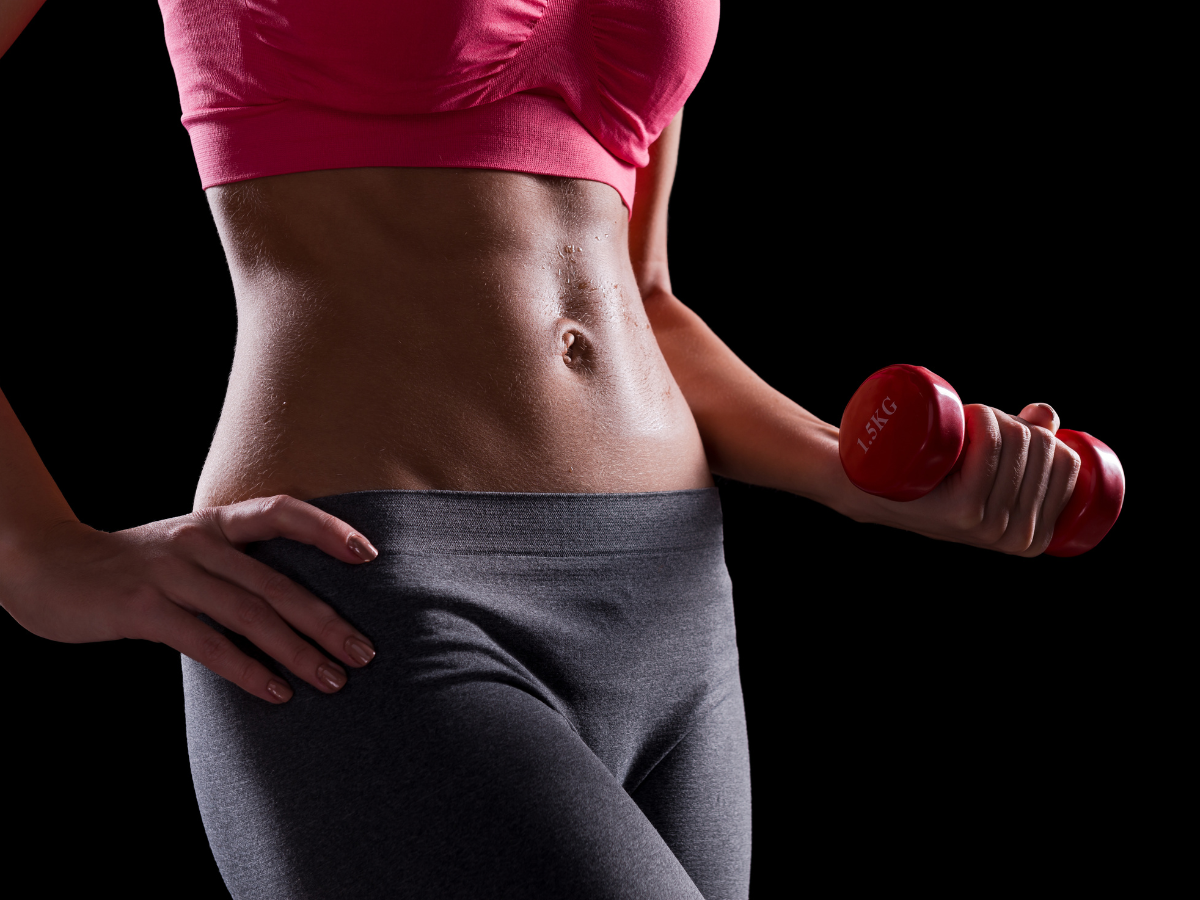
Most of us have stood in front of the mirror, tugging at our clothes and wondering what life would be like with a flatter stomach. Not a sculpted six-pack. Just something that feels calmer after lunch.
The good news is you don’t need extreme diets or miracle fixes. The bad news is there’s no shortcut. Science has long been clear that spot reduction doesn’t work. Fat loss happens across the whole body, not in one stubborn area.
The bad news is there’s no shortcut. Science has long been clear that spot reduction doesn’t work. Fat loss happens across the whole body, not in one stubborn area.
Still, a flatter stomach is realistic when diet, movement, and daily habits align. And beyond appearance, reducing abdominal fat supports heart health, blood sugar control, and long-term wellbeing. It’s about looking better, yes, but also feeling better in your own skin.
And like most sensible things in life, it usually starts with what you’re eating.
Calories count, but quality counts more
If extreme dieting worked, we’d all be finished by now. Calorie awareness helps, but cutting too hard often backfires, leaving you knackered, irritable, hungry, and fixated on food.
What really makes a difference is where those calories come from. Added sugars, especially in fizzy drinks and sweetened juices, are strongly linked to a bigger waistline. They’re easy to over-consume and don’t keep you full. Checking labels may sound dull, but sugar hides in unexpected places, and spotting it makes better choices easier.
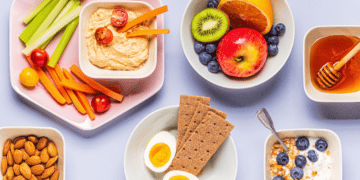
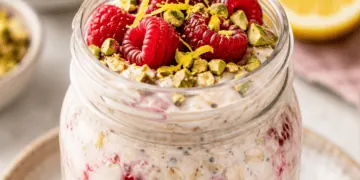
Fibre deserves credit too. Soluble fibre from oats, beans, fruit, barley, and vegetables slows digestion and helps you feel satisfied longer. People who eat more fibre tend to carry less abdominal fat over time.
People who eat more fibre tend to carry less abdominal fat over time.
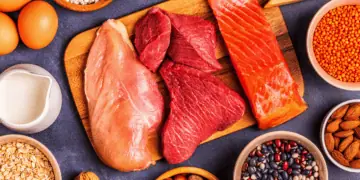
Protein helps as well. Eggs, yoghurt, fish, chicken, and beans support fullness and protect muscle during weight loss. Oily fish stands out for its omega-3s, which also benefit heart health.
And then there’s alcohol. With seven calories per gram and little effect on fullness, it adds up quickly. Cutting back on the regular tipple can make a noticeable difference without changing much else.
Even with your food choices sorted, though, the stomach doesn’t always play ball. Feeling bloated or uncomfortable is common, which brings digestion into the conversation.
When your stomach feels bigger than it is
Probiotics won’t magically flatten your stomach overnight, and they won’t undo three slices of pizza either. What they can do is support digestive balance, which may help reduce bloating and support weight regulation over time.
Fermented foods like yoghurt, kefir, kimchi, tempeh, and pickles introduce beneficial bacteria into the gut. Some research links healthier gut profiles with better weight regulation, but results vary between people. Think of probiotics as supporting actors, not the star of the show.
Some research links healthier gut profiles with better weight regulation, but results vary between people. Think of probiotics as supporting actors, not the star of the show.
If bloating is the main issue rather than fat loss, improving gut health, staying hydrated, and eating more slowly can make your stomach feel flatter even before the scales change. Sometimes it isn’t fat. It’s lunch sitting awkwardly.
Of course, digestion can only do so much if you never get moving.
Training for health, not punishment
You can plank until your soul leaves your body. It still won’t spot-reduce belly fat. What exercise does do well is burn calories, build muscle, and improve how your body uses energy.
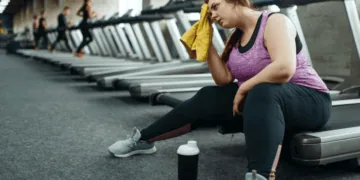
Cardio matters. Brisk walking, cycling, running, rowing. Pick something you don’t hate. Public health advice suggests around 150 minutes of moderate to vigorous activity a week. That sounds daunting until you remember brisk walks count and Lycra is optional.
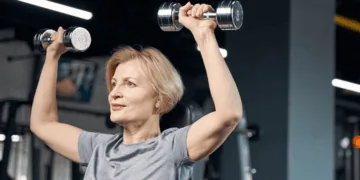
Strength training adds another layer. More muscle means higher energy use at rest and better body shape as fat comes off. Core work like planks and twists strengthens the midsection and improves posture, which alone can make the stomach look flatter. Even squats and deadlifts train the core because staying upright is hard graft.
Strength training adds another layer. More muscle means higher energy use at rest and better body shape as fat comes off. Core work like planks and twists strengthens the midsection and improves posture, which alone can make the stomach look flatter.
HIIT deserves a quick mention. Short bursts of effort followed by recovery can be efficient and even enjoyable if done sensibly. Just don’t jump back in like you’re in your twenties again. Your joints have receipts.
Even with food and exercise nailed, progress can stall if recovery gets ignored.
The habits that make or break progress
You can eat well and exercise religiously, then undo much of it by sleeping badly. Lack of sleep disrupts hunger hormones and increases cravings, especially for sugary, quick-energy foods. Aim for consistency rather than perfection. Your body notices.
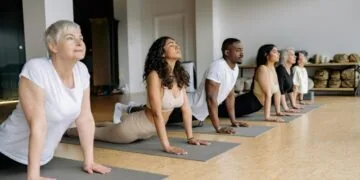
Stress has its own role. Chronic stress raises cortisol, which is linked to increased abdominal fat. Walking, yoga, breathing exercises, and time away from screens all help.
Hydration matters too. Drinking enough water supports digestion and may reduce bloating. Some people feel fuller when they drink water before meals. The effect is modest, but staying hydrated hardly ever hurts.
Small movements add up. Standing more, taking the stairs, or walking during phone calls increases daily energy use without feeling like formal exercise.
And finally, there’s the part no routine can override.
The long game of feeling comfortable
Genetics influence where fat settles and how stubborn it is. Some people lose it from their stomach first. Others never do fully, no matter how healthy they are. A perfectly flat stomach isn’t a universal endpoint, and chasing it at all costs often leads to frustration.
A better goal is progress. Less bloating. Better energy. Clothes fitting comfortably. Strength improving. When those boxes are ticked, stomach changes usually follow.
A flatter stomach works best as a side effect of living well. Keep it realistic. Keep it human.
And if you’re reading this, you’re already doing something right.
This content is for general information only and not a substitute for professional advice. Please check with a healthcare provider before making changes to your fitness or diet.