














































The menopause has a way of changing the rules when you least expect it. One day, your usual routine feels fine, and the next, simple things, like getting up from the floor or carrying the shopping, feel a bit more of a faff.
For years, women have been told to focus on losing weight. But somewhere around your 50s, that advice starts to miss the point. What your body really needs now isn’t less, it’s strength. That’s exactly where weight training for menopause comes in, and no, it’s not as intimidating as it sounds.
What’s changing and why it matters
Let’s keep this simple. As you age, muscle mass has the rather inconvenient habit of declining. It starts quietly in your 30s, like a background subscription you never signed up for, and by your 50s it becomes noticeably less polite about it. Add menopause into the mix, and the drop in oestrogen makes it even easier to lose both muscle and bone strength, almost as if your body has decided to downsize without consulting you.
This shift is not just about how things feel in the mirror or on the scales. It can affect balance, posture, and the rather underrated ability to get through daily life without negotiating every staircase like it is an event. Which is precisely why weight training for menopause is not just helpful, it is rather essential if you want to stay active, capable, and convincingly independent rather than politely declining invitations to carry shopping bags.
The good news? Your body is still perfectly capable of building strength at any age. It just needs the right kind of movement and a bit of consistency.
Also read: Build Better Bones: The Best Exercises for Menopause That Actually Work
The muscle–bone connection you can’t ignore
Muscle and bone health are closely linked, especially during the menopause. When your muscles get stronger, they put healthy stress on your bones, which helps keep them dense and resilient.
Without that stimulus, bones can weaken over time, increasing the risk of fractures. Strength training helps to counter that by encouraging your body to maintain both muscle and bone. Think of it as a quiet support system working behind the scenes.
Building strength without overcomplicating it
If you’re imagining long sessions at the gym and fiddly routines, let’s pause right there. Strength training doesn’t have to be overwhelming. In fact, the most effective routines are often the most straightforward.
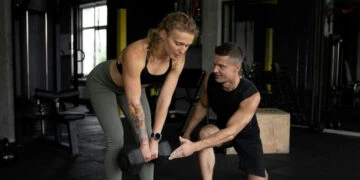
A well-rounded programme focuses on basic movement patterns. These include pushing, pulling, squatting, hinging and single-leg exercises. Each one supports movements you already do in everyday life, just with better control and strength.
Only exercises you really need to start
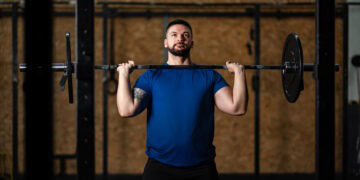
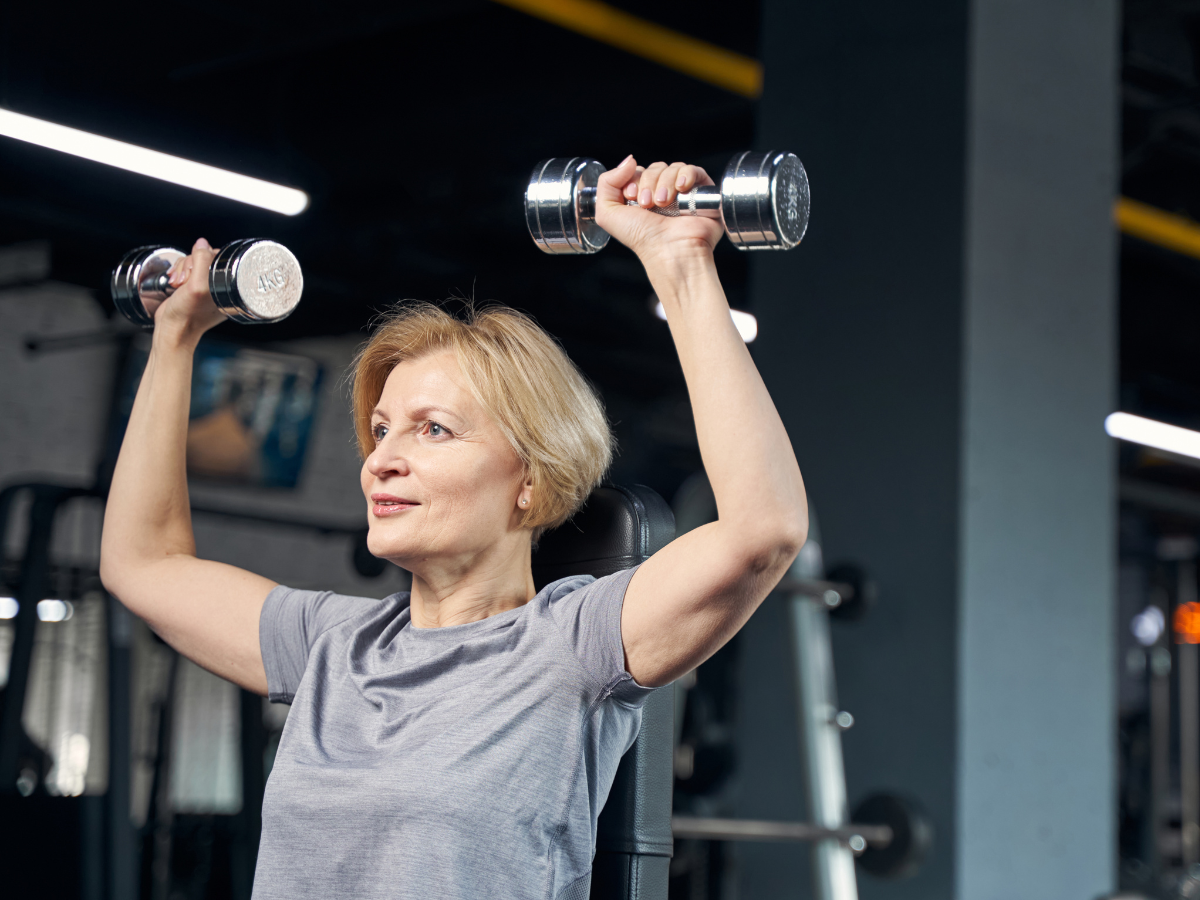
You don’t need a long list of workouts to get going. A few key exercises can go a long way. Push movements like wall press-ups or light chest presses help strengthen your upper body. Pull exercises, such as resistance band rows, improve posture and support your back. Squats, especially chair squats, make sitting down and standing up easier.
Hinge movements like hip bridges or light deadlifts protect your lower back, while step-ups or single-leg stands help to improve your balance. These movements work together to build a strong, stable body. Start with bodyweight if you’re not sure. Once you feel more comfortable, you can gradually add light weights or resistance bands.
Making weight training for menopause work
Here’s the bit that matters most: making it fit around your life. You don’t need to train every day to see results. Two to three sessions a week, of around 30 to 45 minutes each, is more than enough to build strength over time.
Here’s the bit that matters most: making it fit around your life.
Consistency matters more than intensity. It’s better to do a straightforward routine regularly than go flat out once and stop for weeks. And yes, rest days are part of the plan, not a sign you’re falling behind.
Small adjustments that make a big difference
Progress doesn’t mean doing everything at once. It can be as simple as adding a touch more weight, doing an extra repetition, or slowing things down to improve control.
There’s also a handy way to gauge effort called “reps in reserve.” If you finish a set and feel as though you could still do two more reps with good form, you’re right where you need to be.
Nutrition also plays a part here. Your body needs enough protein to support muscle repair and growth. Spreading your protein intake across meals, rather than having it all in one go, can make a noticeable difference over time.
Strength, confidence, and the bigger picture
Let’s zoom out for a moment. Weight training for menopause goes beyond just exercising, it’s about feeling more comfortable and confident in your own skin. It’s about moving with ease, feeling steady on your feet, and having the energy to do the things you enjoy.
It’s about feeling more comfortable and confident in your own skin.
It also helps with things you might not immediately file under “strength training”, such as mood and sleep. Regular movement has a rather decent way of keeping your mental wellbeing in check, which is particularly useful at a stage of life when both sleep and mood can occasionally behave like they are operating on their own unpredictable schedule.
And if the idea of getting started still feels a bit much, keep it simple. Try short bursts of movement – what some people call “strength snacks” – throughout your day. A few squats here, a cheeky set of press-ups there. It all counts.
At the end of the day, this isn’t about chasing the perfect routine. It’s about building something sustainable. Something that supports you now and in the years to come.
So if you’ve been thinking about giving it a go, this might be your sign. Start where you are, keep it simple, and let strength become part of your day-to-day life.
This content is for general information only and not a substitute for professional advice. Please check with a healthcare provider before making changes to your fitness or diet.