

























































Stress isn’t subtle anymore, it turns up in your inbox, sits in your shoulders, and follows you to bed. One moment you’re replying to emails, the next you’re replaying chats in your head like a late-night repeat.
Many people are searching for ways to feel calmer, more clear-headed, and more in control. Heat and cold therapy, saunas, cold plunges, and even the bold dip into icy water have been around for centuries and are garnering attention for their benefits.
At first, these practices might seem dramatic, but they’re straightforward, natural and supported by mounting research. The real question is why they work so well.
Understanding stress and anxiety
Stress is your body’s inbuilt alarm system. When something feels overwhelming or threatening, your body releases hormones like cortisol and adrenaline. These help you react quickly, great for emergencies, not so great when it’s going on all day.
Anxiety works in a similar way, but it tends to linger. It can show up as constant worry, restlessness, or physical symptoms like muscle tension, fatigue and even difficulty breathing. When it becomes persistent, it can interfere with your day-to-day life and make even simple tasks feel exhausting.
Anxiety works in a similar way, but it tends to linger. It can show up as constant worry, restlessness, or physical symptoms like muscle tension, fatigue and even difficulty breathing. When it becomes persistent, it can interfere with your day-to-day life and make even simple tasks feel exhausting.
The tricky thing is that modern stress rarely switches off. Deadlines, responsibilities, and everyday pressures keep your body in a constant state of high alert. Over time, this can affect your immune system, sleep quality, and general health. That’s where heat and cold therapy come in. They won’t get rid of stress altogether, but they give your body a chance to reset, offering your system a break from being “on” all the time.

The sauna effect: your body’s built-in reset
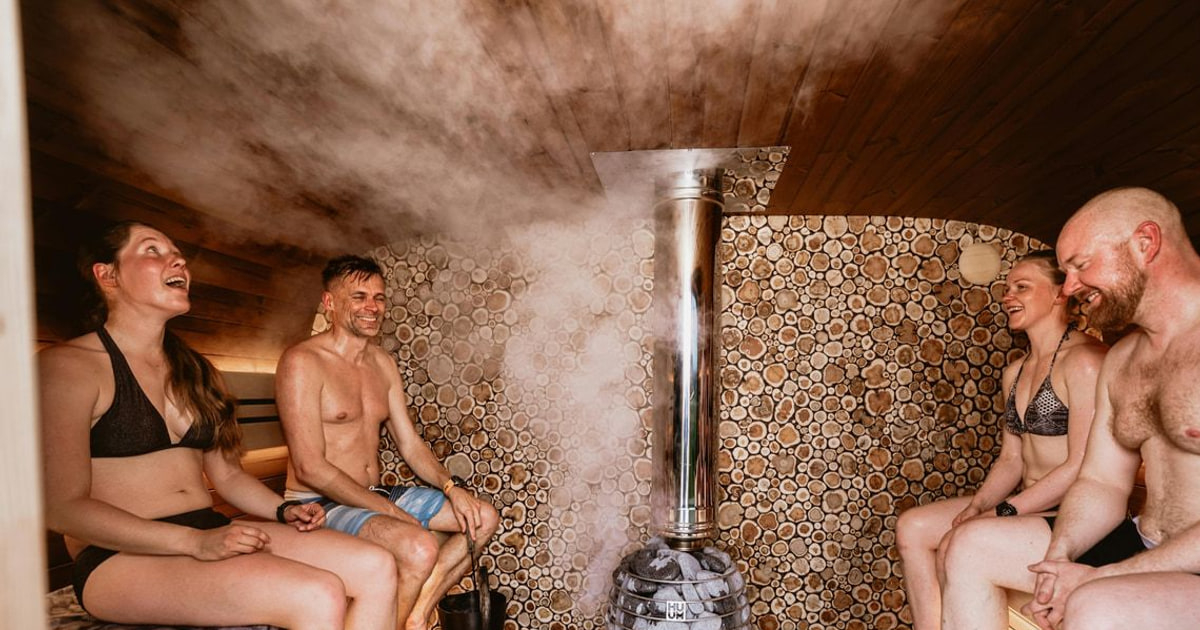
Step into a sauna, and your body immediately responds. Your heart rate increases slightly, your skin warms, and you start to sweat. It can feel intense at first, but after a few minutes, most people notice a change. Your muscles begin to unwind. Your breathing slows. Your mind starts to calm down.
This response is partly down to the release of endorphins, those “feel-good” chemicals that lift your spirits. At the same time, heat exposure has been shown to reduce cortisol levels, helping your body move out of stress mode.
Regular sauna sessions have also been linked to improvements in emotional well-being. Some studies suggest that it may even support brain health by increasing levels of brain-derived neurotrophic factor (BDNF), which helps protect your brain from stress-related strain and supports long-term resilience.
A natural way to reduce stress and tension
Stress doesn’t just sit in your mind, it also shows up in your body. Tight shoulders, achy backs, and that persistent feeling of tension are all part of it.
The heat from a sauna helps your muscles relax and boosts your circulation, which can help ease these physical symptoms. As your body releases, your mind often follows suit, offering a whole-body sense of relief. There’s also something to be said for the setting itself. A sauna gives you quiet. No interruptions, no faffing about, just a chance to pause and breathe. That alone can feel like a reset in a world that rarely slows down.
Beyond relaxation: mood, sleep, and mental clarity
The benefits of using a sauna don’t end when you step out. Many notice an improved mood after a session, thanks to the mix of endorphin release and lower stress hormones. It’s that light, relaxed feeling that lasts, making daily challenges seem that bit easier to handle.
Sleep is another big win. As your body cools after exiting the sauna, it can trigger the release of melatonin, the hormone that regulates your sleep. This natural process helps you nod off faster and stay asleep longer, which is essential for managing stress and anxiety. Better sleep usually means improved focus, a better mood, and more energy throughout the day. It’s one of those ripple effects that makes a real difference over time.
Why your brain feels clearer after a session
Ever feel like your mind’s cluttered, racing from thought to thought? Sauna sessions can help clear that mental fog.
Improved blood flow during heat exposure helps get more oxygen to your brain, which may help with focus and thinking. Together with the calm, distraction-free setting, it creates the perfect space for your mind to slow down. It’s not unusual to step out of a sauna feeling refreshed, with a clearer view and a calmer outlook on whatever’s ahead.
The power of contrast: adding cold into the mix
Now, let’s take things up a gear. Pairing heat with cold exposure, often called contrast therapy, adds another layer of benefit. After working up a sweat in the sauna, stepping into cold water causes your blood vessels to constrict, undoing the expansion caused by the heat.
This back-and-forth helps circulation and supports heart health. It also means better delivery of nutrients throughout the body, helping tissues to recover more efficiently.
Wellness spots such as Myhaven Oysterhaven have taken to this approach, combining saunas with sea swims for a whole-body experience that feels both grounding and revitalising. For those who are physically active, this practice can help reduce muscle aches and speed up recovery. But even in day-to-day routines, the boost to your circulation and reduction in inflammation can make a real difference.
Cold exposure and resilience
Let’s not kid ourselves, cold water isn’t easy. That first moment is a real shock to the system, and your first instinct might be to hop straight back out. But if you stick it out, even briefly, everything shifts. Your breathing settles. Your body adjusts. And suddenly, you’re wide awake in a way a strong cup of tea just can’t match.
Cold exposure prompts the release of endorphins and other uplifting chemicals. It can also sharpen focus and boost alertness, leaving you feeling re-energised and mentally refreshed.
Building mental strength through discomfort
Choosing to step into cold water isn’t just a physical task, it’s a mental one. You’re teaching yourself to stay calm in an uncomfortable situation, which builds resilience over time. This ability to cope with discomfort can filter into daily life, helping you tackle stress and pressure with a cooler head.
Many describe a balanced, almost euphoric sensation after switching between hot and cold. This state, often called totonou, is a mix of deep relaxation and mental clarity. It goes to show that sometimes, stepping outside your comfort zone can bring the biggest sense of calm.
Making it part of your routine safely
If you’re keen to give heat and cold therapy a go, the trick is to start slowly and pay attention to your body.
For saunas, sessions lasting 15 to 20 minutes are a sensible starting point. Keeping hydrated is important, as sweating can lead to fluid loss. Drinking water before and after your session helps keep your body balanced. Cold exposure should be eased in too. Beginning with cold showers or brief dips allows your body to get used to it without overdoing things.
It’s also important to consider your general health. If you have any issues with your heart, blood pressure, or lungs, it’s best to chat with a healthcare professional before starting.
Combining sauna sessions with other stress-busting habits, such as deep breathing or mindfulness, can make the benefits go even further. Think of it as part of your overall wellbeing routine rather than just a one-off fix.
A simple, powerful way to reset
In a world that constantly demands your attention, heat and cold therapy offer something refreshingly simple. They don’t require complicated routines or expensive kit. Just time, consistency, and a willingness to try something a bit different.
The benefits – better sleep, improved mood, reduced tension, and greater resilience—can build up over time, making a real change in how you feel day to day. It’s not a miracle cure, but it’s a powerful one.
So next time stress creeps in, you might not need another distraction. You might just need a sauna… and a bit of pluck.