
























































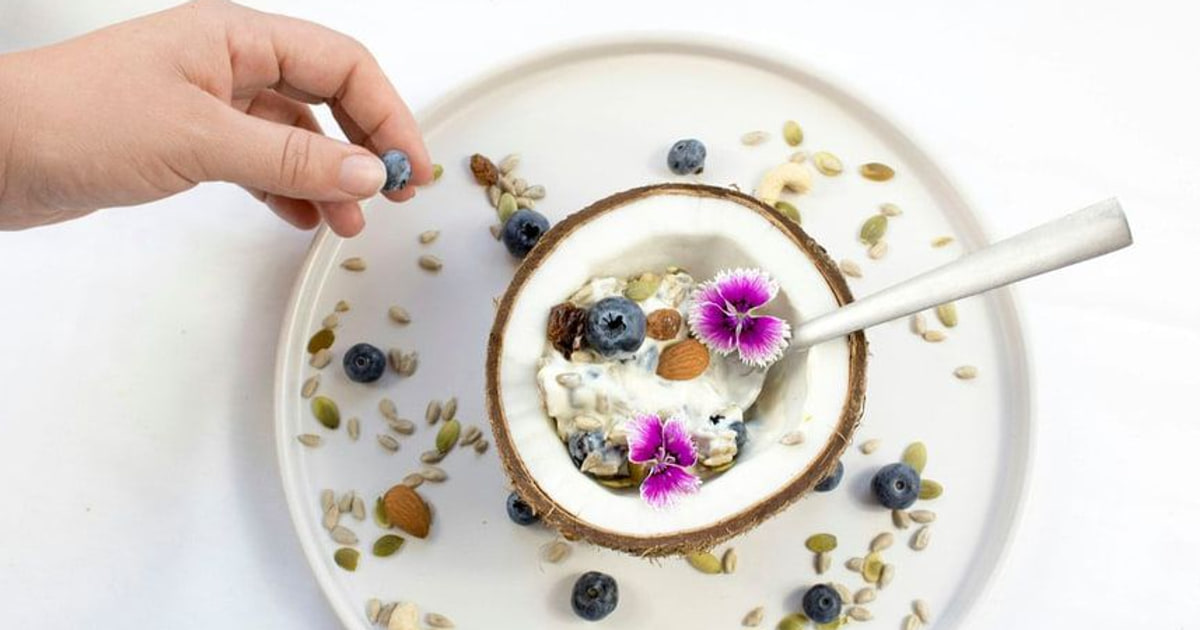
Are you feeling completely stuck in a boring, repetitive breakfast rut lately?
You certainly aren’t the only one craving a delicious morning wake-up call.
More and more active vegans are ditching those sad, plastic-packaged supermarket tubs to create fresh, protein-packed masterpieces right on their own worktops.
More and more active vegans are ditching those sad, plastic-packaged supermarket tubs to create fresh, protein-packed masterpieces right on their own worktops.
Bypassing the standard supermarket dairy aisle actually tastes a whole lot like smooth, tropical luxury. Now grab your favourite blender, because it is officially time to whip up a batch of homemade cashew-coconut yoghurt!
No fermentation required
The best part about this homemade cashew-coconut method is that you do not need any fancy, expensive fermentation gear. Forget about hours of waiting for complex starter cultures; this speedy alternative delivers thick perfection in just over an hour.
By leaning on the natural, silky properties of raw nuts, we completely eliminate the need for weird industrial chemistry. Creamy coconut milk acts as our decadent foundation, while blended cashews sneakily pump up the protein and fibre content.
Finally, a splash of fresh lemon juice cuts through the richness with a tangy kick that perfectly mimics classic dairy fermentation. Toss in a drop of maple syrup to round out the edges, and your breakfast will taste like an absolute dream!
How the magic happens
To create this creamy magic, you just need a high-powered blender and a bit of patience while the batch chills in the fridge. Getting the texture exactly right requires a very specific, logical workflow to ensure the ingredients emulsify smoothly:
- Soak: Submerge raw, unsalted cashews in cool water overnight, or use hot water for a quick couple of hours if you are short on time.
- Blend: Drop the soft, drained cashews into the jug along with rich coconut cream, pure maple syrup, vanilla extract, fresh lemon juice and a pinch of sea salt.
- Smooth: Blend everything on high speed, ensuring you scrape down the sides until a velvety, micro-smooth liquid emerges.
- Chill: Pour the mixture into a clean jar and let it firm up in the fridge for about sixty minutes.
Following these precise steps offers a velvety consistency that easily rivals the best Greek yoghurt on the market. Once you master this simple sequence, the entire process becomes second nature during your weekly meal prep routine.

What’s really in the tub
Taking control of your ingredients makes total sense when you look at the rather disappointing facts about many shop-bought tubs. A study of 249 plant-based yoghurt alternatives found that many products were relatively low in protein and often high in sugar.
While soy or pea-based options delivered around 6 grams of protein, the overall market median lagged at just 3 grams per serving. Many commercial coconut yoghurts contain little protein at all, making them a less satisfying choice for active vegans looking to support their training goals.
Our simple homemade cashew hack helps solve that problem naturally. By combining cashews and coconut milk, you get a creamier yoghurt with more plant-based protein and healthy fats, all without relying on industrial thickeners or gums. Why settle for factory-made shortcuts when your blender can create a fresher, workout-friendly alternative in minutes?
Healthy doesn’t always mean complete
Market surveys highlight an undeniable boom in European supermarket aisles, where demand for plant-based foods continues to rise. Double-digit growth in meat substitutes and dairy alternatives shows that more people are turning to vegan options to support both their lifestyle and fitness goals.
However, researchers found that commercial products are not always the nutritional powerhouse many shoppers expect. A closer look at product labels revealed several common shortcomings:
- The Calcium Deficit: Less than half of the reviewed shop brands actually managed to reach proper calcium levels.
- The Vitamin D Drought: A shockingly small fraction of products contained enough of this sunshine vitamin to support your bones.
- The B12 Deficiency: Only a tiny minority of plant tubs provided meaningful quantities of this essential micronutrient.
Making your own yoghurt gives you complete control over what goes into your body. That means no unnecessary additives, fewer added sugars and a better foundation for a protein-conscious, plant-based diet designed for training and recovery.

Top it your way
Once your creamy base finishes chilling, the fun customisation part begins right on your kitchen worktop. This flexible, dairy-free yoghurt works as the perfect base for a protein-conscious breakfast or post-workout snack.
Running low on maple syrup? A drizzle of agave nectar can easily step in to add a touch of sweetness without missing a beat.
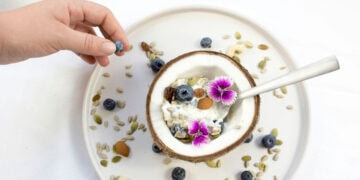
Want to take things further? Top it with fresh berries, chia seeds, hemp hearts or chopped nuts for extra texture and plant-based nutrition. A pinch of cinnamon or ground cardamom can also add plenty of flavour without loading up on sugar. Building a personalised vegan breakfast has never been easier.
Chef’s Tip: Approximately 57% of analysed shop brands contained fibre, often from prebiotic inulin. You can easily replicate this digestive health boost by stirring a scoop of chicory root fibre or probiotic powder directly into your blender.