














































Few foods have had a career quite as turbulent as the egg. One decade it was the nation’s favourite way to start the day, the next it was treated like a tiny cholesterol grenade in a cardboard box. Plenty of us still ration them to a half-remembered “three a week”.
So how healthy are eggs for you, really? For most people, the answer is very, although how you cook them and what shares your plate matter more than you might think. Here’s what UK health bodies actually say, minus the scrambled headlines.
Small shell, serious nutrition
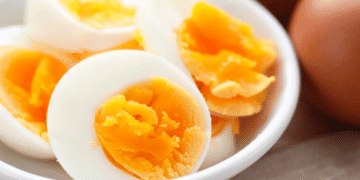
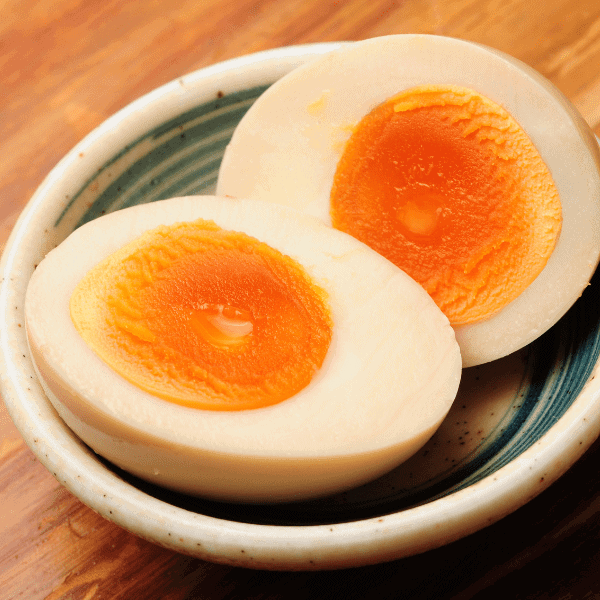
How healthy are eggs on paper? Impressively so. An egg punches well above its weight. A medium one contains around 66 calories and about 6.4g of protein, making it one of the easiest ways to nudge up your daily total without a shake in sight.
Also Read: The Soy, the Whey and the Truth About the Protein Trend
The real appeal lies in the smaller print. British Egg Industry Council figures, based on government analysis and the UK’s standard food composition tables, show what a single medium egg brings to the table:
- Vitamin B12: 1.4mcg, more than half the daily reference value, to help form red blood cells and keep your nervous system working normally.
- Choline: 144mg, over a third of the adequate intake for adults, which supports normal fat metabolism and liver function.
- Vitamin D: 1.6mcg, which helps maintain normal bones, teeth and muscle function.
Yes, the council has an interest in making eggs look good, but these are measured values, not marketing slogans.
That vitamin D figure deserves a closer look at this time of year. According to the NHS, we can’t make enough from sunlight between October and early March, and adults need 10mcg a day. Two medium eggs get you about a third of the way there. It’s a handy top-up for the grey months.
Just don’t bin the yolk. Egg-white omelettes may be a gym favourite, but the vitamins and minerals sit mostly in the yolk.
The cholesterol question, unscrambled
How healthy are eggs for your heart? That question starts with the yolk, which is where eggs picked up their bad reputation. A medium egg contains 177mg of cholesterol, all of it in the yellow part, so it seemed logical that eating them would raise your blood cholesterol.
The body turned out to be more complicated than that. Only around a third of the cholesterol in your body comes from your diet, because you make the rest yourself. Saturated fat has a much bigger influence on blood levels, and a medium egg contains only about 1.5g of it. That’s why NHS advice on lowering cholesterol focuses on cutting down on saturated fat.
As the evidence shifted, so did the guidance. The British Heart Foundation explains that UK health organisations changed their advice from around 2000, and that there is no recommended limit on eggs as long as your diet is varied.
So is there a catch?
How healthy are eggs in the long run? Nutrition science rarely hands out clean verdicts. A 2019 US study of nearly 30,000 people linked every extra half an egg a day with a 6% higher risk of cardiovascular disease and an 8% higher risk of death over 17.5 years.
Before you clear out the fridge, the study was observational, so it could show a link but not prove cause, and people were only asked about their diets once. A later study of more than 177,000 people across 50 countries found no significant link between egg intake and cardiovascular risk.
The sensible takeaway comes from the British Heart Foundation’s Victoria Taylor, responding to the 2019 research: “Eating healthily is all about balance.”
There is one important exception. People with familial hypercholesterolaemia, an inherited condition, have been advised by the BHF to have no more than three or four eggs a week. If a GP or dietitian has given you specific advice, stick with it.
It’s what’s on the plate that counts
How healthy are eggs once they’re cooked? For most of us, the trouble starts in the frying pan. A poached egg needs no added fat, so it has the same calories as a raw one. A fried egg can reach around 120 calories if it’s cooked in oil and not drained, while two large eggs scrambled with a small knob of butter can come to as much as 245.
The BHF suggests swapping butter for a non-stick pan and a little unsaturated oil, and points out that the butter on your toast or the bacon on the side will probably add more saturated fat than the egg.
Also Read: The Smarter Protein Choice More People Are Making With Non-Inflammatory Meats
Easy ways to keep things healthy:
- Poach two eggs and serve on wholegrain toast with spinach or grilled tomatoes.
- Fold leftover vegetables into an omelette.
- Keep a couple of hard-boiled eggs in the fridge for one of our favourite high-protein snacks.
A word on runny yolks
Eggs have been in the news lately for less appetising reasons. The UK Health Security Agency has been investigating three clusters of Salmonella that may be linked to imported eggs. By mid-September, these accounted for 586 confirmed cases and two deaths in England, with cases associated with eating at small cafés, restaurants and takeaways.
In October, the Food Standards Agency told businesses to withdraw and recall eggs from one Ukrainian supplier after Salmonella was found in samples, although that strain didn’t match the outbreak strains. Most of these eggs went to caterers, but some may have reached small shops, so check the alert if you buy eggs from independent retailers.
The UKHSA says the risk to the public remains low, and the FSA says UK-produced eggs, including those in major supermarkets, are not affected. Its advice is straightforward:
- Thoroughly cooked, hygienically handled eggs should not present a food safety risk.
- Infants, young children, pregnant people, older adults and those with underlying health conditions should only have raw or lightly cooked eggs if they carry the British Lion mark or come from the Laid in Britain scheme.
- When eating out, these groups should make sure eggs are thoroughly cooked and avoid dishes such as fresh mayonnaise, mousse and hollandaise.
- Anyone severely immunocompromised should follow their own medical advice.
So how healthy are eggs after all?
Eggs aren’t a miracle food, but they’re a cheap, convenient, nutrient-rich one. Unless a health professional has told you otherwise, there’s no need to count them. Focus instead on how they’re cooked and what they’re served with.
The egg, it seems, was never really the villain. It was just keeping bad company.