
























































Ever found yourself staring into the fridge at 3pm, hoping something inside will magically turn into energy? That mid-afternoon slump is a universal human experience, and meals high in refined carbohydrates can cause blood sugar to rise and then fall quickly, contributing to fatigue.
While reaching for a sugary doughnut feels like the ultimate rescue mission, it is actually a trap that leads straight to an inevitable energy crash. Instead, the real hero your body is crying out for is protein.
Far from being just a powdery supplement for gym-goers who grunt too loudly, this macro is a foundational necessity for everyone. Let’s dive into why rearranging your snack drawer might just be the best health decision you make this week.
Also read: Recipe: Blueberry Banana Protein Muffins
The ultimate multitasker
Protein wears many hats inside the body. Two of its most important functions involve supporting your physical structure and helping to fuel everyday processes. Let’s take a closer look at how it accomplishes both.
1. The body’s building block
Have you ever wondered what helps hold your body together? Protein is the answer. It acts as a building block for muscles, bones, skin, organs and even antibodies that help protect you from illness.
Since the body can’t store large amounts of protein, it’s important to get enough through your diet each day. Exercise naturally creates tiny tears in muscle fibres. Protein provides the amino acids needed to repair that damage, helping muscles recover and grow stronger over time.
2. A metabolism booster
Protein also helps support a healthy metabolism. Compared with fats and carbohydrates, protein requires more energy to break down. In fact, the body may use roughly 20% to 30% of protein calories during digestion alone.
As a result, protein can help increase daily calorie expenditure while also promoting feelings of fullness. That combination may make it easier to keep hunger in check, reduce cravings and support healthy weight management goals.
Taming the hunger monster
If your stomach starts demanding a second lunch before the afternoon’s over, protein may be exactly what you need. One reason protein is so filling is its effect on ghrelin, the hormone responsible for triggering hunger. At the same time, it increases hormones linked to fullness, helping you stay satisfied for longer.
Better yet, the benefits extend far beyond appetite control. Studies suggest that higher protein intake may improve bone density in older adults, which becomes increasingly important with age. Other studies have also linked greater protein consumption to healthier blood pressure levels.
Better yet, the benefits extend far beyond appetite control. Studies suggest that higher protein intake may improve bone density in older adults, which becomes increasingly important with age.
On top of that, protein supports wound healing, tissue repair and immune function. Taken together, these benefits show why protein remains one of the most important nutrients for supporting long-term health and overall wellbeing.
Master the art of snack timing
To squeeze the absolute most out of your high-protein treats, timing is everything. Are you planning to hit the gym or go for a brisk jog? Munching on a protein-packed snack 30 to 60 minutes before your workout supplies amino acids that help reduce muscle breakdown during exercise. Protein snacks can also be useful throughout the rest of the day:
- The Midday Bridge: Eating these snacks between meals stabilises your hunger, ensuring you don’t eat the entire cupboard at dinner.
- The Busy Bee Lifesaver: When packed schedules prevent a proper lunch, a quick protein fix preserves your productivity and focus.
Once your sweat session wraps up, the clock begins ticking. Eating another small dose within the first hour post-workout maximises recovery, stitching those tired muscle fibres back together.
Who needs the extra boost
While everyone requires this nutrient, certain groups benefit immensely from strategic snacking. Athletes obviously top the list due to their constant physical wear and tear. Similarly, individuals aiming for weight management find solace in these treats because they make calorie control feel less like a starvation experiment.
We should also talk about ageing gracefully. Older adults face a natural, age-related decline in muscle mass known as sarcopenia. Regular, mindful protein consumption preserves mobility, strength and the glorious independence of opening your own pickle jars.

Stocking your fuel station
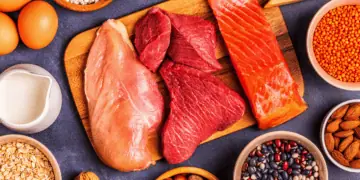
Knowing when to eat protein is only part of the equation. Keeping the right options on hand makes healthy choices much easier. You don’t need exotic health foods to succeed. Lean meats, fish, eggs, dairy products, beans, lentils, nuts and soy are among the best protein-rich staples.
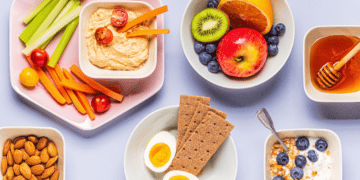
For added convenience, keep portable options nearby. Greek yoghurt, cottage cheese, cheese strings, turkey roll-ups, jerky, edamame, roasted chickpeas and protein bars are easy to store at home, work, or in a gym bag.
Rather than stocking loads of products, focus on a few protein-rich snacks you genuinely enjoy. Having them readily available can make healthy eating much easier when hunger strikes.