









































If your goal goes beyond simply “getting stronger” or “losing weight” and enters the realm of carving out a lean, sculpted physique, your gym strategy needs a serious upgrade. Achieving “the ideal proportion” isn’t about aimlessly chasing sweat and it certainly isn’t about skipping leg day until you look like a chicken on cocktail sticks or inflating your biceps like a “Synthol Man”.
True aesthetic success, however, is about strategic muscle development: building width and shape where it counts while keeping your waistline and body fat in check. In this guide, we’ll break down the key muscle pairings for maximum symmetry, the best workout splits for your goals and the major training traps to avoid along the way.
Also read: Workout: Your Ultimate Upper Body Workout to Get Toned and Lean
Why train for proportion
Training purely for aesthetics requires balancing “push” and “pull” movements to avoid looking like a walking cartoon character with massive arms and no upper back. Here’s how the right muscle pairings help shape a balanced physique:
- The V-taper / hourglass blueprint: Pairing wide back exercises (pulls) with side deltoid work (pushes) creates the optical illusion of a narrower waist.
- Balanced muscle density: Combining major compound pushing exercises for the chest and shoulders with pulling movements can help develop a more balanced upper body and support better posture.
- Proportional recovery: Hitting helper muscles (like triceps or biceps) in the same session prevents them from being constantly fatigued on heavy compound days.
- Targeted symmetry: Allows you to isolate lagging muscles, like rear delts or glutes, without draining your total daily energy reserves.
When you structure workouts around visual proportions rather than random sweat sessions, every set moves you closer to a symmetrical physique. Resting these muscle groups properly between sessions is what turns subtle effort into visible, head-turning tone.
The key aesthetic anchors
Lats and side delts
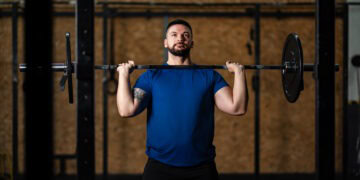
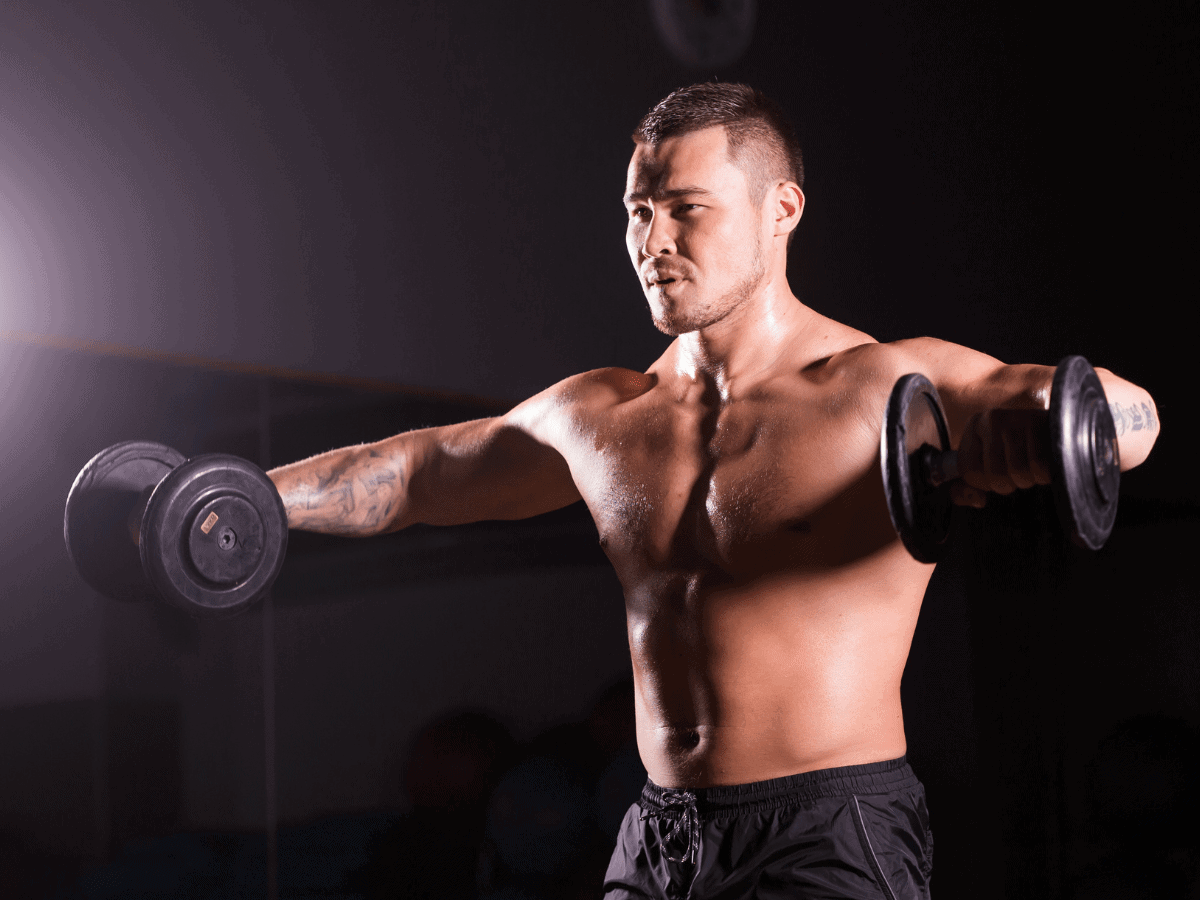
The latissimus dorsi and side deltoids are largely responsible for creating the sought-after V-shaped torso. Wide lats make your back appear broader, while rounded side delts add width to the shoulders, making your waist look smaller by comparison. Pull-ups, lat pulldowns, rows, overhead presses and lateral raises are excellent exercises to develop both muscle groups.
Glutes and hamstrings
Your glutes and hamstrings power many of the body’s strongest exercises, including squats, lunges and hip hinge movements. Developing these muscles creates a stronger, more athletic lower body while balancing the front of the legs. Romanian deadlifts, hip thrusts, Bulgarian split squats and leg curls are effective choices for improving both strength and definition.
Upper chest and rear delts
A well-developed upper chest adds fullness to the upper body and creates a more balanced look than focusing only on flat bench presses. Rear deltoids, meanwhile, help counteract the effects of sitting and excessive pressing exercises by strengthening the muscles that keep your shoulders back. Incline presses, reverse flyes and face pulls are valuable additions to any upper-body workout.
Core and calves
The core is far more than visible abs. Strong abdominal and lower back muscles improve stability, support heavier lifts and help maintain good posture, while calf training adds balance to the lower body. Planks, hanging leg raises, calf raises and loaded carries are simple but effective exercises that round out a complete training programme.

Best gym classes for getting toned
Not everyone enjoys lifting weights on their own and that’s where gym classes can help. The best classes for building a toned physique combine strength training with enough resistance to stimulate muscle growth while also improving fitness. Some of the most effective options include:
- BodyPump: Uses barbells and high repetitions to train every major muscle group.
- Strength or functional training classes: Focus on compound movements such as squats, presses and rows that build full-body strength.
- Circuit training: Alternates between resistance and cardio stations for a balanced workout.
- Boot camp classes: Combine bodyweight and weighted exercises to improve strength, endurance and coordination.
- Pilates: Strengthens the core, improves posture and develops muscular endurance, although it is less effective for building significant muscle mass on its own.
No matter which class you choose, consistency and progressive overload remain the biggest drivers of muscle definition. Sports such as rowing, swimming and rock climbing can also help build a toned physique, especially when combined with regular resistance training.
Proportional training pitfalls you should avoid
Chasing total symmetry means dodging a few classic fitness traps that can quietly ruin your proportions. It’s easy to obsess over “mirror muscles”, like the chest, abs and biceps, while neglecting the back and glutes that create a balanced, upright frame.
Heavy oblique training can accidentally widen your waistline, while lightweight cable machines alone won’t build dense muscle. Furthermore, all the tone in the world won’t show if it’s hidden under extra body fat.
To avoid these blunders, start your workouts with heavy compound lifts while you’re fresh, then use targeted isolation exercises to polish the details. Get your nutrition sorted to whittle away the excess, and you’ll trade gym chaos for a head-turning physique that looks as if it were carved by an ancient Greek sculptor.