























































At some point, most of us have believed in the Tone Fairy. You know the one. She floats in after a few weeks of “light weights, high reps,” sprinkles a bit of sparkle dust on your arms, and suddenly your triceps look like they’ve landed a modelling contract. Charming idea. But sadly, fictional.
Building a stronger, more toned physique has far less to do with magic and far more to do with muscle. Real muscle. The kind that responds to tension, challenge, and consistency. It does not bulk up overnight. It grows slowly, stubbornly, like a plant that demands sunlight and patience.
Building a stronger, more toned physique has far less to do with magic and far more to do with muscle. Real muscle.
Research consistently shows that progressive overload, gently asking your muscles to do a little more over time, drives growth. A few more kilos. An extra rep. A slower, controlled descent into a squat that makes your thighs try to bargain with you.
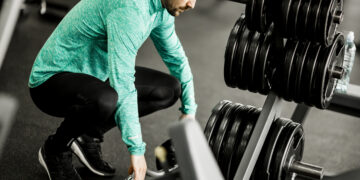
So if you’ve been hovering around the dumbbell rack clutching the two-kilogram weights like they’re rare artefacts, consider this your gentle nudge. The body adapts only when it has a reason to. Give it a reason. And no, lifting heavier won’t turn you into a Marvel character unless you’re also training like one, eating like one, and perhaps living in a CGI universe.
The muscles you sit on all day
Walk into almost any gym and you’ll spot a pattern. Upper-body machines fill up quickly. Dumbbells for curls disappear fast. Meanwhile, the equipment for heavy lower-body work tends to be left alone for longer. Not because it’s less effective. Quite the opposite. Leg training demands more from you. Bigger muscles, heavier loads, deeper breaths.
Your lower body houses some of your largest and most metabolically active muscles. Glutes, quadriceps, hamstrings. These are engines. When you train them properly, you’re not just shaping your physique. You’re improving insulin sensitivity, supporting bone density, and increasing overall strength capacity.
Glutes, quadriceps, hamstrings. These are engines. When you train them properly, you’re not just shaping your physique. You’re improving insulin sensitivity, supporting bone density, and increasing overall strength capacity.
Take the squat. On paper, it looks simple. Sit down. Stand up. Add resistance. Yet it trains multiple muscle groups at once and builds strength that transfers into daily life. Climbing stairs without hesitating. Rising from a low chair smoothly. Carrying shopping without having to switch hands constantly.
Lunges add another layer. Because they challenge one leg at a time, they highlight differences in strength and stability between sides. That wobble you feel? Useful information. Addressing those imbalances can improve coordination and reduce strain over time.
Then there’s the Romanian deadlift.
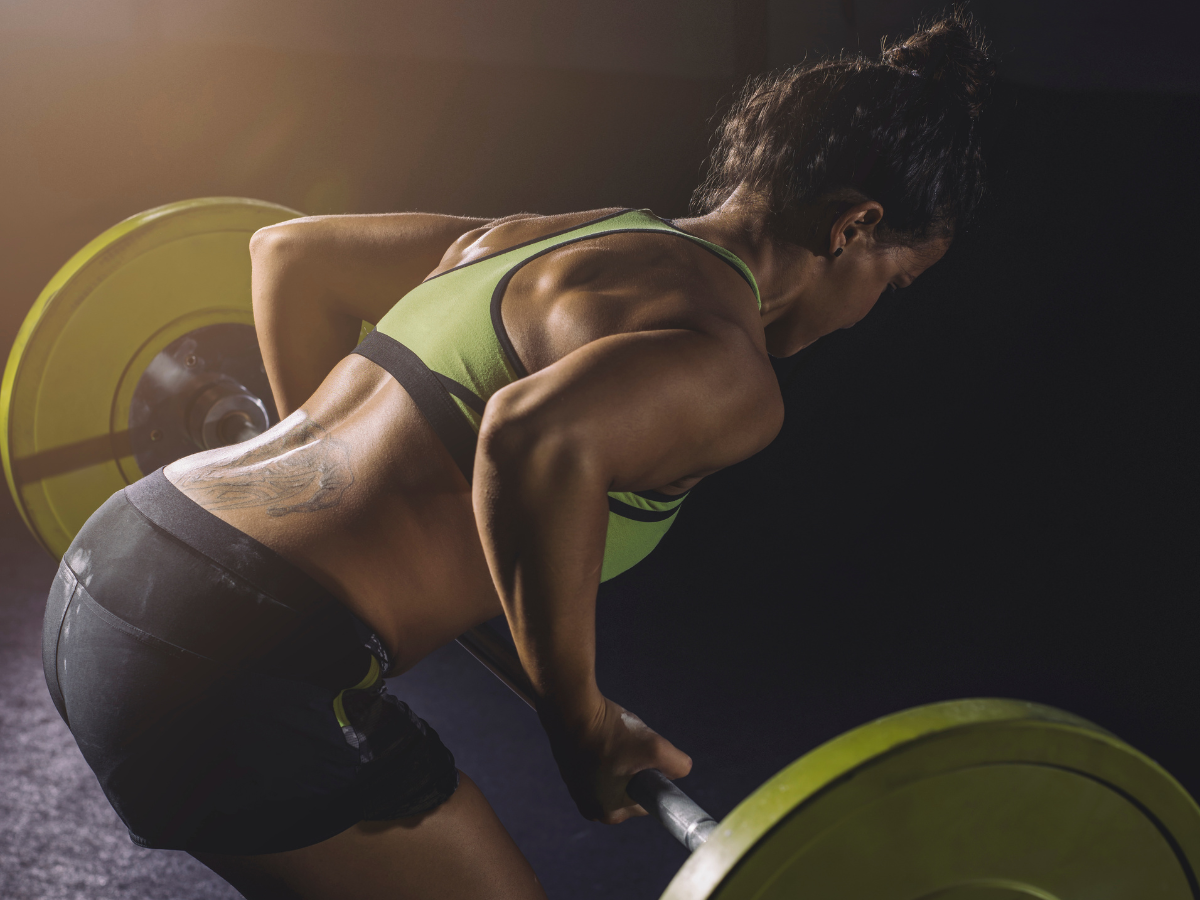
A controlled hip hinge that strengthens the back of your body, especially the hamstrings and glutes. For anyone who spends hours sitting, this movement feels like restoring balance to a system that’s leaned too far forward.
A controlled hip hinge that strengthens the back of your body, especially the hamstrings and glutes. For anyone who spends hours sitting, this movement feels like restoring balance to a system that’s leaned too far forward.
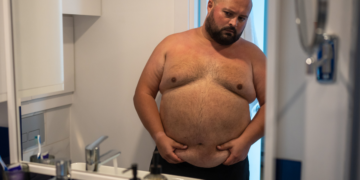
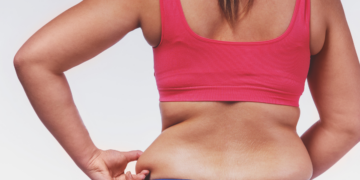
Now for the hard truth. You cannot selectively burn fat off your inner thighs, or in any part of your body. Fat loss occurs systemically. When you maintain a modest calorie deficit and continue resistance training, your body gradually reduces fat stores according to genetics and physiology. Not according to your wishlist. It may sound unfair, but it’s also freeing. Energy is better spent mastering fundamentals than chasing fads.
Your upper-body reality check
“Toned arms” often top the wish list. So does a flatter stomach. They’re perfectly reasonable goals, but the road to them is less glamorous than Instagram might have you believe.
For arms, direct training matters. Bicep curls, triceps extensions, rows, presses. Over time, with enough load and progression, muscle fibres thicken. The definition people crave appears when body fat levels drop enough for those contours to show.
A common pattern goes like this. Someone does tiny tricep kickbacks for months with hardly any resistance. Results plateau. The missing ingredient is tension. Muscles adapt when challenged. The final repetitions of a set should require focus and effort. Not drama. Just honest graft.
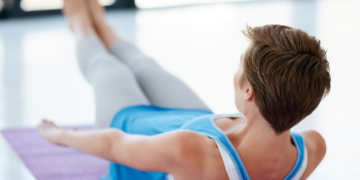
Ab training deserves nuance. Planks, leg raises, and anti-rotation exercises strengthen the core and support spinal health. They improve posture and functional stability. What they do not do is directly burn belly fat in isolation. Visible abdominal definition depends largely on overall body fat levels.
Planks, leg raises, and anti-rotation exercises strengthen the core and support spinal health. They improve posture and functional stability.
Nutrition and recovery come into play here. Adequate protein intake supports muscle repair and growth. A sustainable calorie deficit supports fat loss. Sleep regulates appetite hormones like ghrelin and leptin, influencing hunger and satiety.
Cut corners on sleep and fat loss often feels harder than it needs to be.
Training frequency is important, too. Research suggests that working each major muscle group at least twice per week can support hypertrophy more effectively than just once a week. Consistency trumps the occasional bout of intensity. Two to four properly-structured strength sessions each week can yield impressive results over several months.
Think about daily life for a moment. Lifting luggage into an overhead compartment. Carrying a bag of rice across the kitchen. Standing up from the floor without bracing yourself as if you’re launching a rocket. Strength changes those moments. It adds confidence to everyday tasks.
When you walk into your next session, ask yourself: am I giving my body a reason to adapt? If the answer is yes, you’re already on the right track. Keep it up. One deliberate rep at a time.
This content is for general information only and not a substitute for professional advice. Please check with a healthcare provider before making changes to your fitness or diet.