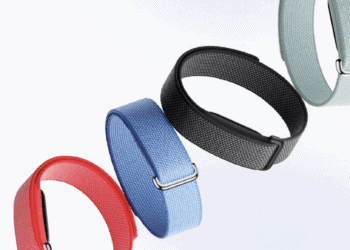

















































If you wear a fitness tracker, you know the drill. You check your stats. You see numbers. Lots of them, such as sleep score, resting heart rate, step counts, and maybe a recovery metric that feels oddly judgmental. And then comes the familiar pause. Okay… so what do I do with this?
For years, wearables have been brilliant at collecting data and terrible at explaining it. They hand you a pile of metrics and quietly expect you to connect the dots. Is one bad night of sleep a fluke? Is today a rest day or a “suck it up and train” day? Are you actually tired, or just unmotivated?
That gap between data and decision-making is exactly where AI is starting to slide in. Not as a drill sergeant, not as a doctor, but more like a translator. Someone who looks at the numbers and says, “Here’s what this probably means.” Fitbit is one example of a wearable taking this approach, helping users turn their data into actionable insights.
That gap between data and decision-making is exactly where AI is starting to slide in.
Also Read: Garmin Fenix 8 Solar: Rugged, Solar-Powered Smartwatch For Off Grid Adventures
From tracking to explaining
Fitbit has always been solid at the basics. It tracks reliably. It logs sleep well. It’s easy to live with. What’s changed recently isn’t what it measures, but how it talks back to you
Inside the Fitbit app, newer AI-powered summaries now sit alongside your daily stats. Instead of just charts and scores, you get short, conversational explanations that pull together your sleep, activity, and recovery trends. Less data dump and more context.
Instead of just charts and scores, you get short, conversational explanations that pull together your sleep, activity, and recovery trends.
These summaries are part of Fitbit’s broader integration with Google, using Google’s AI infrastructure and Gemini-powered language tools to generate insights in plain English. It helps you notice patterns without feeling like you’re studying for an exam. It’s genuinely useful, especially if you train regularly but aren’t trying to turn fitness into a full-time personality.
Where the AI actually helps (and earns its keep)
Fitbit Insights doesn’t pretend to offer medical advice. Its tone stays grounded and observational. Say you’ve been running a few times a week, lifting when you can, but sleeping inconsistently. Fitbit’s AI doesn’t freak out over one bad day. It looks at the week or the month. It points out when poor sleep is stacking up, or when increased activity is lining up with slower recovery.
That shift, from reacting to daily blips to noticing longer trends, shows how wearables can elevate your exercise routine and change how you train. Suddenly, a lighter workout feels intentional. A rest day feels earned. You’re making decisions based on patterns, not vibes.
That shift, from reacting to daily blips to noticing longer trends, shows how wearables can elevate your exercise routine and change how you train.
Fitbit’s AI doesn’t tell you what to do. It just helps you make better calls. Which, honestly, is usually what people need.
Where you still need your own brain
Of course, AI is still AI. Sometimes the summaries tell you things you already know. Sometimes they’re a bit vague. And sometimes they sound more confident than the data really justifies.
Fitbit’s AI is good at spotting correlations, not causes. It might link fatigue to sleep when the real issue was stress, travel, or a week that simply got away from you. This is where human judgment still matters.
Fitbit’s AI is good at spotting correlations, not causes. It might link fatigue to sleep when the real issue was stress, travel, or a week that simply got away from you.
The good news is Fitbit keeps things calm. No scary language. No dramatic conclusions. No “something is wrong” energy. The AI stays supportive, not alarmist. You’re encouraged to reflect, not panic.
That restraint makes it easier to trust, and easier to ignore when you need to.
Who Fitbit’s AI is actually for
Fitbit’s AI summaries are best for everyday fitness people. The ones trying to stay consistent. Train smarter. Avoid burnout. Feel better without turning wellness into a second job.
If you’re chasing elite performance or obsessing over marginal gains, you’ll probably want deeper tools. If you’re looking for medical diagnostics, this isn’t that. But if you want help understanding how your body responds to your routine, Fitbit’s AI hits a comfortable middle ground. It doesn’t shout. It doesn’t boss you around. It just quietly helps you notice what’s been happening.
And in a world full of fitness noise, that kind of calm, useful commentary is exactly what most of us need, preferably before the second coffee kicks in.