



















































Your body is giving you signals all day long. Your heart rate changes, your sleep shifts, your recovery fluctuates and your response to stress can show up in ways you might never notice.
The tricky part is knowing what all those signals actually mean.
That’s where Hume 2.0 comes in. The screen-free wearable brings together a wide range of health data, then uses the Hume Health app to turn those individual measurements into a bigger picture of your health, recovery and longevity.
Rather than asking you to obsess over a single number, Hume is interested in the patterns behind the numbers. How well are you recovering? How is your sleep affecting your readiness? What might your data suggest about the way your body is ageing?
It’s a different way of thinking about wearable technology. Your wrist isn’t simply counting what you’ve done today. It’s helping you understand what your body is doing over time.
Also Read: Why Smart Clothing Feels Like Fashion’s Bold Next Move
So, what exactly is Hume 2.0?
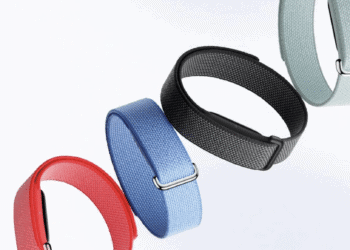
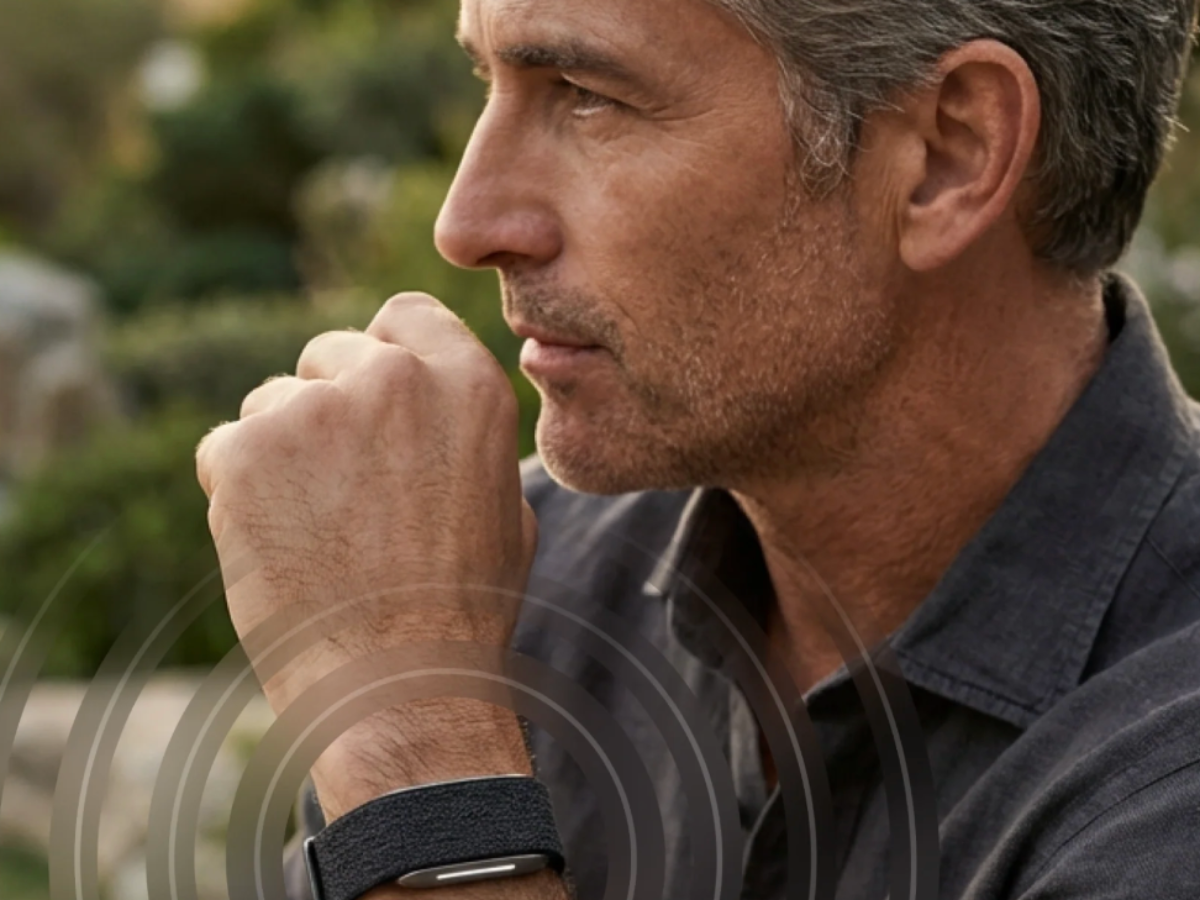
The Hume Band 2.0 is a screen-free wearable designed to be worn throughout the day and night. It connects to the Hume Health app, where your measurements are presented as trends, scores and insights.
Hume says the Band 2.0 has improved signal processing for greater accuracy and can track a range of health signals including continuous heart rate, HRV, sleep, activity and blood pressure trends. It also offers up to 14 days of battery life.
The screen-free design is worth mentioning. There’s no constant stream of notifications competing for your attention. The band does its job quietly, while the app becomes the place where you actually explore your data.
The longevity angle
This is where Hume takes a slightly different approach to wearable technology.
The platform puts a strong emphasis on longevity and introduces measures such as Biological Age, Metabolic Capacity and Metabolic Momentum.
Biological Age is designed to give you an estimate based on health data rather than simply your chronological age. Metabolic Capacity looks at the body’s ability to produce and use energy, while Metabolic Momentum is intended to show how your health trends are moving over time.
The appeal is the bigger picture.
Instead of looking at yesterday’s workout in isolation, Hume encourages you to consider how your everyday habits may be influencing your health over weeks and months.
Your recovery matters too
For anyone who exercises regularly, recovery is a huge part of the equation.
Hume brings together measurements such as heart rate, HRV, sleep and activity to help you understand how your body is responding to daily demands.
That can make your data more useful. A hard training session is only one part of the story. What happened afterwards matters too.
Did you sleep well? Has your HRV changed? Are you consistently feeling more tired? Are you bouncing back between sessions?
Over time, those patterns can help you make more informed decisions about when to push yourself and when your body might benefit from a little more recovery.
Sleep takes centre stage
Sleep is another major part of the Hume experience.
The Band tracks sleep and feeds those measurements into the wider health picture. Hume’s approach looks beyond simply counting the hours you’ve spent in bed, aiming to provide insights into how your sleep relates to your wider health and recovery.
This is where wearable data can become particularly interesting.
You might notice that your best recovery scores follow nights when you get more consistent sleep. Or perhaps you spot a pattern between stressful days and restless nights.
One night doesn’t tell you much. A trend over time can tell you considerably more.
Blood pressure joins the line-up
One of the headline additions to the Band 2.0 is blood pressure trend tracking.
Hume says the Band 2.0 is designed to show how blood pressure changes across days and in response to different habits, rather than providing isolated readings.
That brings another cardiovascular signal into the same ecosystem as heart rate and HRV.
As with any consumer health technology, these measurements are best viewed as information to help you understand trends rather than a replacement for medical assessment. If something concerns you, a healthcare professional is the person to speak to.
Fourteen days of battery life
A wearable designed to monitor you around the clock needs to be able to keep up.
Hume quotes up to 14 days of battery life for the Band 2.0.
That means less time thinking about charging and more time collecting useful data.
The lightweight, screen-free design also makes sense for overnight use. Once you’ve got it on your wrist, there isn’t much to think about.
What does it cost?
At the time of writing, Hume’s UK website lists the Hume Band 2.0 at £189, reduced from £270. The current price includes the Hume app and worldwide shipping, according to Hume.
The company also offers a 45-day refund policy and includes a one-year warranty with the band. An extended 10-year warranty is available as an optional extra.
It’s worth checking the UK product page before purchasing as promotional pricing can change.
Current UK price: £189
Regular listed price: £270
App: Included
Battery: Up to 14 days
Warranty: One year included
Returns: 45 days
And then there’s the app
The hardware is only half of the Hume experience.
The Hume Health app is where all those measurements become easier to understand. Instead of leaving you with a long list of numbers, the platform brings data together into scores, trends and insights.
Hume also offers a premium tier for people who want additional coaching and personalised guidance. The core app is included with the Band, while some additional features sit behind the optional premium offering.
That gives users some flexibility. You can use the band to collect and understand your core health data without automatically signing up for another monthly commitment.
It’s about the bigger picture
The most interesting thing about Hume 2.0 isn’t any single measurement.
It’s the attempt to connect them.
Health is rarely about one perfect night’s sleep, one great workout or one particularly healthy lunch. It’s the cumulative effect of your habits and the way your body responds to them.
Hume’s approach is built around spotting those patterns.
Perhaps you discover that your recovery improves when you prioritise sleep. Maybe you notice that stressful periods affect your HRV. Or you find that consistent movement makes a difference to how you feel during the week.
Those observations can be much more useful than simply knowing you’ve hit your daily activity target.
Cver verdict
Hume 2.0 takes wearable technology in an interesting direction. Its focus on longevity gives the familiar health-band format a broader purpose, while metrics such as Biological Age, Metabolic Capacity and Metabolic Momentum give users new ways to think about their health data.
We like the emphasis on trends rather than isolated numbers. It makes the technology relevant beyond the gym and gives you a reason to keep wearing it on the days when you’re doing absolutely nothing that could be described as a workout.
The long battery life helps too. So does the screen-free design, particularly if you want your health tracker to collect information without becoming another source of notifications.
Ultimately, Hume 2.0 is about turning a huge amount of personal health data into something you can actually understand.