
























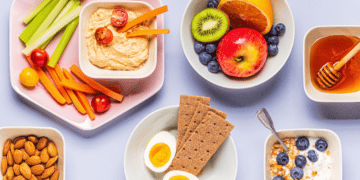





























For many people with ADHD, eating well can be surprisingly difficult. Forgetting to eat, losing track of time, reaching for quick sources of energy or suddenly realising you are ravenous at the end of a long day can all make regular, balanced meals feel like another thing to manage.
For Lucinda Miller, food is an important part of helping her ADHD brain stay focused, energised and well supported. As the Clinical Lead of NatureDoc and a nutritional therapist specialising in neurodivergence, Lucinda has spent years exploring the relationship between nutrition, brain health and behaviour. She is also the author of three cookbooks, including Brain Brilliance, a nutrition toolkit and recipe book created specifically for the neurodivergent brain.
Her interest in ADHD is personal as well as professional. Lucinda lives with ADHD herself, as do her husband and two of their three children. That experience has informed the way she approaches food – not as a pursuit of dietary perfection, but as something that needs to work in real life.
So, what does a day of eating look like for someone who helps people support their brains through nutrition?
Breakfast: protein comes first
Lucinda starts her day with a large glass of water containing the juice of half a lemon and a pinch of sea salt. Then comes breakfast, where she puts one principle above almost everything else: protein.
That might mean a three-egg omelette with feta cheese or a bowl of cottage cheese with seeds, blueberries and a dash of maple syrup. “Prioritising protein, especially at breakfast,” is what eating to keep an ADHD brain on track means to Lucinda in practical, everyday terms.

Protein provides amino acids including tyrosine, which the body uses to make dopamine. Dopamine is involved in attention, motivation and reward, and is one of the neurotransmitters associated with ADHD.
Protein provides amino acids including tyrosine, which the body uses to make dopamine. Dopamine is involved in attention, motivation and reward, and is one of the neurotransmitters associated with ADHD.
She then has a large mug of green tea and three squares of dark chocolate. The combination gives her a modest amount of caffeine and compounds such as theanine and theobromine, which she feels help with focus and alertness without leaving her overstimulated later in the day.
“This gives me just enough caffeine and energy to charge up my focus and give me the brain stamina I need to get through the working day,” she says, “without overstimulating me in the evening.”
It is a deliberate morning routine, but it isn’t complicated. Lucinda is essentially building her breakfast around foods that she finds help her feel mentally steady and able to concentrate.
Also read: 6 Signs You’re Not Eating Enough Protein (And What To Do About It)
Lunch: light but nutrient-dense
Because she has already eaten a substantial, protein-rich breakfast, Lucinda tends to have a later and lighter lunch. A favourite is rye bread topped with tinned sardines, lemon and chilli, with some rocket on the side. The sardines provide protein as well as omega-3 fatty acids, which are important components of brain cell membranes and have been studied in relation to cognition and ADHD.
“I tend to have a light late lunch, as I have eaten quite well at breakfast,” she explains.
It is also the kind of meal that requires very little preparation. A few ingredients can be put together quickly, making it easier to maintain a nutritious routine during a busy working day.
For Lucinda, the sardines are more than a convenient protein source. “The omega 3 in the sardines is a vital nutrient for the ADHD brain and helps with executive function,” she says.
The afternoon: keeping energy steady
Lucinda is sensitive to caffeine, so she keeps her tea and dark chocolate to the morning. Usually, that is enough to carry her through until supper. Occasionally, if she becomes hungry, she might have a piece of fruit with some nuts and a large cup of rooibos tea. If she is feeling flat, water is often her first choice.
She also pays attention to how she combines foods. Sugary foods eaten on their own don’t tend to work well for her. Even an apple by itself can leave her feeling light-headed, whereas pairing it with nuts or cheese provides protein and fat alongside the carbohydrate. “I always combine sweet with protein,” she says, “or save to eat something sweet until the end of a meal.”
That means she doesn’t necessarily avoid sweet foods. Instead, she has found that combining them with other foods works better for her.

Dinner: simple food, cooked at home
Lucinda and her family live in the countryside, where there is no access to food deliveries, so dinner means cooking at home every evening.
Fortunately, that doesn’t mean complicated recipes. Meals are usually straightforward combinations such as chicken or salmon with vegetables or salad. T
he family also enjoys curries and chilli, which might contain chicken, prawns or beef alongside brown rice and vegetables. “We lean on good quality curry sauces, and pouches of quinoa and beans when we are in a rush,” she says.
It is a useful reminder that nutritious eating doesn’t have to mean cooking everything from scratch. Having a few reliable shortcuts means Lucinda can still put together a balanced meal when time and energy are limited.
The foods she comes back to
When asked which foods she makes a particular effort to include for their potential role in brain health, Lucinda has a clear list: eggs, oily fish, blueberries, nuts, seeds, green vegetables and dark chocolate. “My top brain foods are eggs, oily fish, blueberries, nuts, seeds, green veg and dark chocolate,” she says.
“My top brain foods are eggs, oily fish, blueberries, nuts, seeds, green veg and dark chocolate,” she says.
Many of these foods feature naturally in her daily meals. Eggs and dairy provide protein, oily fish supplies omega-3 fats, berries and vegetables contribute a range of plant compounds, while nuts and seeds provide healthy fats, fibre and minerals.
Rather than relying on one “superfood”, the bigger picture is a varied diet built around foods that provide a broad range of nutrients. An omelette can be made in minutes. A bowl of yoghurt, berries and seeds requires almost no preparation. A pouch of quinoa and beans can turn a few leftover vegetables into a meal.
For someone with ADHD, reducing the number of decisions involved in eating can be just as useful as knowing which foods are nutritious.

Supplements that support her routine
Lucinda also takes supplements, although her routine changes according to what she feels she needs.
Her mainstays include magnesium bisglycinate and quercetin at night, while in the morning she takes a cognitive blend containing lion’s mane and bacopa.
“I change these around as needed,” she explains. “My mainstays are magnesium bisglycinate and quercetin at night and then a cognitive blend in the morning which contains lion’s mane and bacopa.”
She says quercetin helps calm her brain and reduce her menopausal hot flushes. As with any supplement, individual responses can vary and evidence for specific supplements in ADHD is much less established than the evidence for a balanced diet and appropriate medical treatment.
For Lucinda, supplements sit alongside her broader nutritional approach rather than replacing it.
The takeaway: make good food the easy option
Lucinda’s approach to eating for an ADHD brain isn’t about following a complicated diet. It comes back to a handful of practical habits: prioritise protein, include nutrient-dense foods regularly, pair carbohydrates with protein or healthy fats, keep caffeine to the time of day when it works best for you and make nutritious food easy to reach.
Most importantly, she recommends preparing for the moments when making a meal feels like too much effort. Keep eggs, nuts and seeds in the cupboard. Have yoghurt, cheese and cottage cheese in the fridge. Keep berries in the freezer. Stock a few useful cupboard staples that can become a meal without much preparation.
Learn more about Nature Doc via their website and follow Lucinda on Instagram for more useful information on this topic.