



















































Fitbit has been quiet on hardware for years, so a genuinely new device from the brand was always going to get attention. The Fitbit Air landed as Google’s answer to Whoop, minus the screen and, more importantly, minus the hefty subscription. Here’s how it holds up.
What it actually is
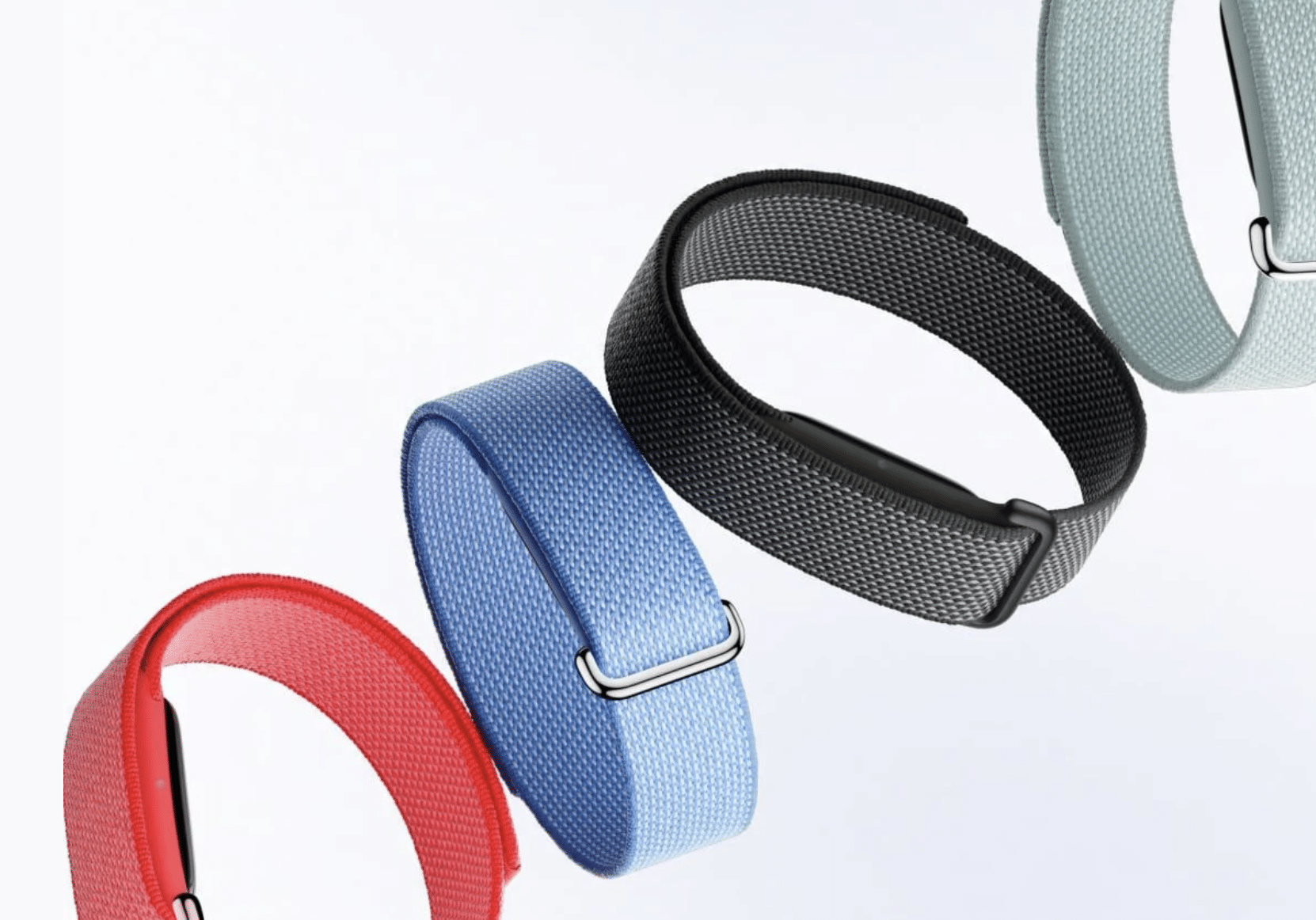
The Fitbit Air is a screenless fitness tracker, weighing around 12 grams and offering up to seven days of battery life. Rather than a watch face, it’s a small pebble shaped sensor clipped into a soft band, designed to sit on your wrist and quietly get on with tracking rather than demand your attention. It pairs with the new Google Health app on both Android and iOS.
UK price and availability
The Fitbit Air launched in the UK on 26 May 2026, priced at £84.99, which comfortably undercuts most comparable screenless trackers. Whoop, its closest rival, requires a minimum subscription starting at £169 a year just to use the hardware, so the Air’s one-off price is a meaningful difference for anyone who’s been put off trying this style of tracker before. Additional bands, including a workout ready silicone option, start from £34.99.
Pre-orders also came with three months of Google Health Premium included, which normally costs around £8 a month or £79 a year once the trial ends.
How it performs day to day
Comfort seems to be where the Air genuinely stands out. Reviewers consistently describe it as light enough to forget you’re wearing, which matters for a device meant to stay on your wrist around the clock. Not having a screen also means no notifications pulling your attention mid workout, and switching the band between wrists doesn’t require resetting anything.
Battery life lives up to the claims too. One reviewer wore it for a full week and still had 16% remaining before bed, suggesting Google’s estimate is realistic rather than optimistic marketing.
How accurate is the tracking
This is the part most people actually want to know, and the early data is encouraging. One side by side test against an Oura Ring 4 and a Whoop found total sleep readings landed within around 30 minutes of each other across all three devices, with resting heart rate typically agreeing within a few beats per minute. Deep sleep estimates varied more, which is common across the whole category rather than a specific weakness of the Air.
For everyday heart rate and sleep tracking, that level of agreement with two more expensive, screen based rivals is a solid result for a device at this price point.
Where it falls short
No review is worth much without the honest bits, so here they are. The AI powered Google Health Coach, the feature meant to turn all this data into useful advice, has had a mixed reception. Several reviewers note the coaching often restates numbers you can already see rather than offering genuinely useful direction, which is a fair criticism given it’s positioned as the device’s standout feature.
It’s also worth knowing what you’re not getting. There’s no display for checking stats on the move, no built-in GPS, and it isn’t designed as a phone replacement for outdoor training the way a full smartwatch is. If you want to glance at your wrist mid-run to check pace, this isn’t the device for that.
Who it actually suits
Given all of this, the Fitbit Air makes the most sense for people who want reliable background health tracking without the cost or bulk of a full smartwatch. That covers a lot of Cver readers, particularly anyone newer to structured training who wants to understand their sleep and recovery without being overwhelmed by data or committing to a subscription from day one. It’s less suited to anyone who relies on live stats during a session or wants a single device that replaces their phone.
At under £100 with no mandatory ongoing cost, it’s a low-risk way to find out whether tracking your sleep and recovery actually changes how you train, without needing to commit to anything more expensive first.