






































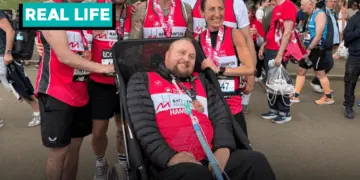















Think you’re too big to run? Lacing up your trainers can feel like a big commitment when you’re overweight. Concerns about aching joints, sore muscles and injury are common, and they can make you hesitate before you even get started. Fortunately, there’s no need to be fast or fearless on day one. The only goal is to begin at a pace your body is comfortable with. So, how do you get started without running yourself into the ground?
Running is possible at any size
Carrying extra weight doesn’t automatically rule out running, although starting gradually is important. Your muscles, joints, and tendons absorb more force with every stride, so it’s normal to tire more quickly or feel extra strain on your knees, hips, ankles and lower back.
That doesn’t mean running is off-limits. Think of it like learning to ride a bike again. You wouldn’t tackle a mountain trail on day one, and your body deserves the same patience. Many experts recommend starting with walking before introducing short jogging intervals, giving your muscles and connective tissues time to adapt while lowering the risk of injury.
If you have heart disease, diabetes, kidney disease, arthritis or you’ve been inactive for a long time, it’s worth speaking with a healthcare professional before getting started. A little guidance at the beginning can save you plenty of frustration later.
Also read: How To Lose Your Stubborn Love Handles

Why running can be worth it
Weight loss might be what gets many people interested in running, but it’s rarely the only reward. Regular exercise improves cardiovascular fitness, strengthens muscles and bones, builds endurance and lowers the risk of conditions such as heart disease and type 2 diabetes. Many runners also notice something less measurable but just as valuable: they feel calmer, sleep better and gain confidence with every completed workout.
Consistency has a funny way of paying you back. The first few outings might leave you questioning every life decision that brought you outdoors. A few weeks later, climbing stairs may feel easier, your breathing settles down faster and distances that once looked intimidating suddenly seem manageable.
Don’t let the bathroom scales tell the whole story. Hydration, muscle gain and everyday body fluctuations all affect your weight. Progress isn’t always obvious in the mirror, but your body often notices the improvements long before you do.

Running the right way
Trying to do too much too soon is where most beginners go wrong. Your body responds far better to steady progress than heroic efforts that leave you glued to the sofa for the next three days. A beginner-friendly approach includes:
- Walk-jog combo: Start with 15-minute walks, then slowly transition to 30 seconds of gentle jogging paired with several minutes of easy walking.
- Conversational style: Run at a pace where you can comfortably chatter about the weather without gasping for air.
- The 10% rule: Cap your weekly mileage increases at roughly 10% to give your tendons and joints time to adjust to the increased impact.
- Gearing up for success: Choose lightweight, moisture-wicking clothing to reduce sweat buildup and chafing. Supportive running trainers with good cushioning and arch support can also make each step more comfortable, so visiting a specialist running shop for a proper fitting is worthwhile.
- Supporting your structure: Add strength moves like squats, lunges, and planks to strengthen the muscles protecting your hips, knees and ankles.
Building fitness is a lot like building a house. You wouldn’t put up the roof before laying the foundations, and your body isn’t any different. Every comfortable run adds another brick until one day you’re standing somewhere that once felt impossible.
How to reduce your risk of injury
The real improvements don’t happen while you’re running. They happen afterwards, when your muscles repair themselves, your joints adapt and your body prepares for the next workout. Ignore recovery too often, and soreness will probably arrive before progress does. To recover more comfortably and reduce the risk of injury, make these simple steps part of your routine:
- Start and finish well: Warm up with a brisk walk and cool down gradually after every run.
- Respect recovery: Schedule rest days and stay hydrated throughout the week.
- Fuel wisely: Eat a light carbohydrate snack before running if needed, then refuel with carbohydrates and protein afterwards.
- Listen to warning signs: Stop exercising and seek medical advice if you experience chest pain, severe dizziness, irregular heartbeats or fainting.

Sports medicine physician Dr. William O. Roberts notes that real, lasting transformation takes a long-term view. Rather than expecting dramatic changes immediately, focus on gradually building your fitness, allowing your body to adapt and creating habits you can realistically maintain.
The Final Stride
The biggest obstacle to running isn’t always your weight. More often, it’s believing you have to be ready before you begin. Progress doesn’t wait until you feel confident, fit or fearless. It starts with today’s small effort. Keep making that choice often enough and one day you’ll look back and realise the person who doubted they could run is no longer the person tying those laces.