






























Staying active later in life is not just about following health advice. It’s about keeping up with daily life. Those familiar moments spring to mind, getting up without that quiet “oof”, popping down to the shops without needing a breather, or bending down and standing back up without having to think about it.
Leave the body untouched for too long and it starts to creak like an old garden gate that’s seen one too many winters. Keep it moving, however, and everyday life tends to feel a good deal easier. Sound familiar?
That’s where exercise for the over 60s comes into its own. Not as some punishing fitness regime, but as a way to keep doing the things we love for longer.
Regular movement helps keep the heart healthy, the muscles working and the balance steady enough to avoid any undignified encounters with the pavement. As an added bonus, many people find they sleep better, feel brighter and think more clearly. Not a bad return on investment for a bit of movement each day.
Regular movement helps keep the heart healthy, the muscles working and the balance steady enough to avoid any undignified encounters with the pavement.
There’s solid proof behind it. According to the British Heart Foundation, staying active can reduce the risk of heart disease by around 35 per cent.
A smarter approach to over 60 exercise
Over time, the body changes, and it doesn’t always give you a heads up. Some days knees feel a bit odd. Other days the back decides to let you know it’s there. Ever noticed how it springs up out of nowhere?
Stopping isn’t the answer. It’s more about adjusting the sails than abandoning ship. Think of it as fine-tuning the approach rather than throwing in the towel and declaring retirement from movement altogether.
What served you well at 30 doesn’t always play nicely with life at 60-plus, and there’s absolutely no need to take offence at that. This is where exercise over 60 becomes less about battling through and more about negotiating a truce with your body.
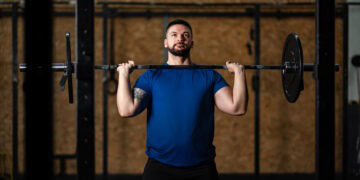
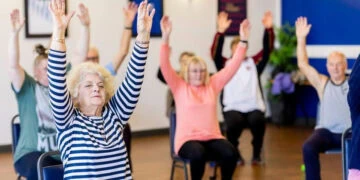
A brisk walk quietly steps in where a run once stampeded. Light weights take over from the heroic heavy lifting. Gentle stretching replaces the old “no pain, no gain” attitude with something far more civilised – loosening up rather than forcing through.
In short, it’s not about doing less. It’s about doing things a bit smarter, and with considerably less grumbling.
In short, it’s not about doing less. It’s about doing things a bit smarter, and with considerably less grumbling.
Starting with a chat with your GP can help set a safe starting point, especially if joints or bones have been playing up. Progress shows up in everyday moments. Walking a bit further. Stairs not quite so daunting. Lugging the shopping in one go. Little things, aren’t they? They add up.
Keeping it simple helps you stick with it. A quick walk, a bit of strength work, and some stretching already goes a long way.
Balance in a routine keeps everything working together. Walking or swimming helps the heart. Light strength work helps muscles and joints. Stretching improves flexibility and balance exercises keep us steady.
Also read: Build Better Bones: The Best Exercises for Menopause That Actually Work

What keeps you going (and what holds you back)
Getting started is one thing. Sticking with it is where most people flag a bit.
Some days the weather turns, the sofa looks tempting and giving a walk a miss feels perfectly reasonable. We’ve all been there. How often does that happen?
Building movement into your day does away with all the faff and deliberation. A walk after brekkie, a quick stretch while the kettle’s doing its thing, a few gentle exercises before you settle down for the evening – nothing remotely heroic, just quietly getting on with it.
Think of it like brushing your teeth: no grand announcement, no internal debate, just something you do without making a song and dance about it.
And frankly, it’s far more agreeable with company. A neighbour, a mate, or a regular group walk can turn exercise from a solitary duty into something rather sociable – almost an excuse for a gossip, really.
Listening to your body helps stave off setbacks. A little bit of soreness at first is normal, but sharp pain is not worth pushing through. Rest days give your body time to bounce back.
Comfort really does make a difference. A decent pair of trainers can turn a walk from a slog into something you enjoy. Breathable kit helps, and when it’s warmer, having water and some sun cream makes all the difference.
Supporting over 60 exercise with diet
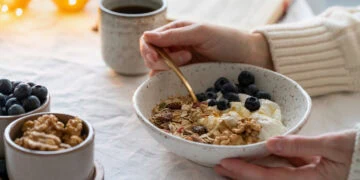
Exercise works best when what you eat supports it. Calcium-rich foods like leafy greens and almonds help bone health. Oily fish such as salmon or mackerel are good for heart and brain function. Berries offer antioxidants, and a spot of dark chocolate can stay. No complaints there.
There’s also a clear link between movement and brain health. A large UK study of over 45,000 adults found that those who keep active tend to have better memory and slower cognitive decline.
For many women, this time of life crosses over with menopause. The best bone density exercise tend to be the same ones that help with strength and balance: walking, resistance work, and gentle stretching. Whole grains and beans are good for digestion and help keep your energy steady. Protein from foods like yoghurt, eggs or fish helps keep up your muscle, especially with regular activity.
Where it all starts to come together
Little changes add up over time. Grilling instead of frying. Using olive oil instead of heavier fats. Picking meals that leave you feeling steady rather than sluggish. Movement and diet work best together. One keeps you strong and mobile; the other helps you recover.
Long-term health after 60 isn’t about being perfect. It’s about doing enough, regularly, to stay capable and independent. Over time, movement feels easier and day-to-day jobs take less effort. That’s the aim – keeping life moving in a way that still feels like your own.
No medals, no perfection – just the simple win of staying steady, capable and firmly in the driving seat of your own life.
This content is for general information only and not a substitute for professional advice. Please check with a healthcare provider before making changes to your fitness or diet.