

















































Most of us eat whatever’s easiest, and convenience usually decides what ends up on the plate. The smart move is to make sure those quick choices still align with your health goals.
For consumers in the United Kingdom, that means getting comfortable with food labels, spotting protein‑rich options, and thinking a little more strategically about meals.
Whether you’re following a plant-based diet or just juggling a hectic schedule, learning to read packaging helps turn grab-and-go moments into smarter decisions that support your wellbeing.
Decoding food labels for clarity
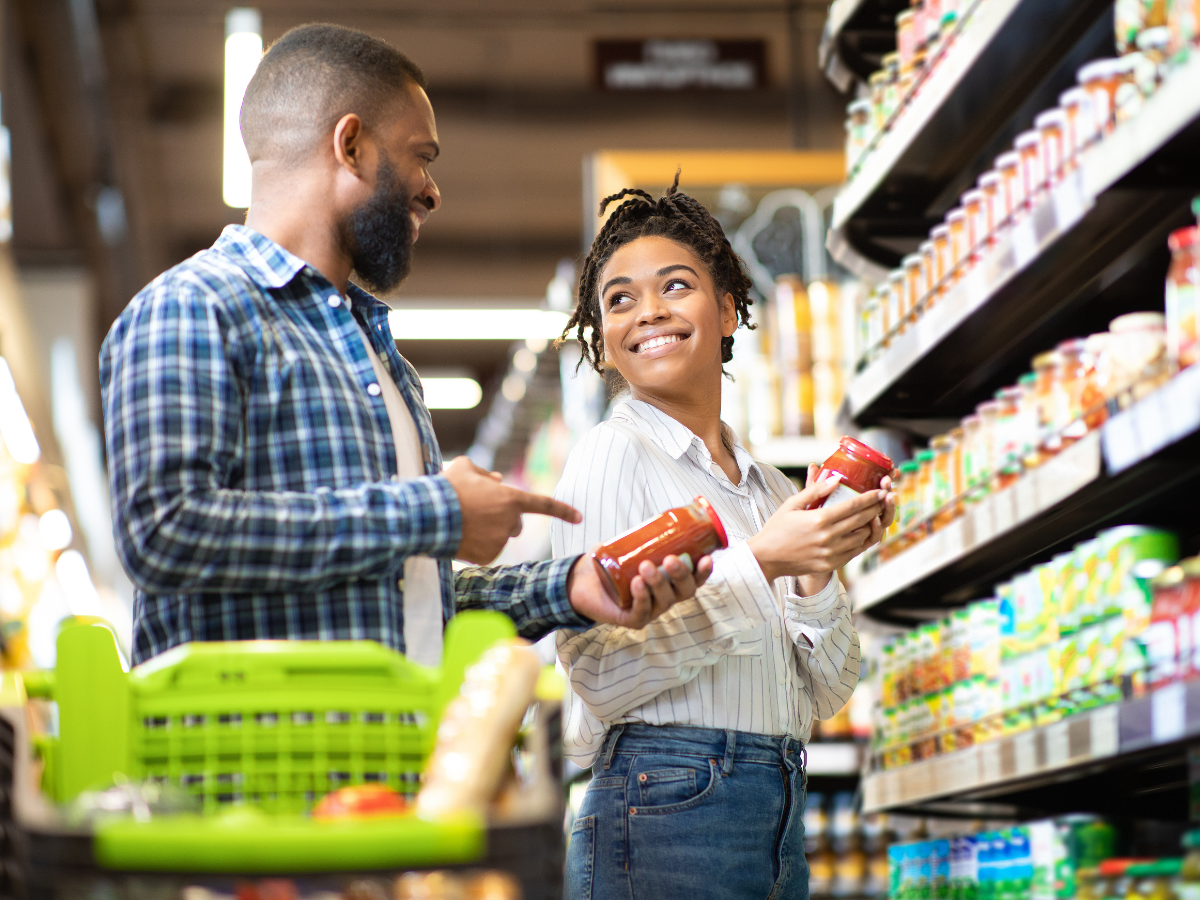
Packaged foods are everywhere now, and honestly, the shelves can feel like they are speaking a different language. Food labels are supposed to help you out, but they can end up looking like a puzzle you did not plan to solve.
Figuring out the difference between added sugars and naturally occurring ones, or spotting where fats come from and how much is actually in them, is where smarter choices really begin.
Pre-packed snacks are a good example of why label literacy matters. You might see brands made with almond flour or coconut flour that sound like a healthier swap for regular biscuits, and sometimes they are just good marketing with a fancy hat on.
Labels often shout about things like gluten-free, grain-free, corn-free, or gum-free, especially for people with specific dietary needs.
When all of that is laid out clearly alongside the nutrition information, you are no longer guessing or falling for the loudest claim on the pack. You are actually choosing what fits your goals, not just what looks good on the front shelf.

Protein counts and recovery choices
Protein gets a lot of attention and for good reason. It supports muscle repair, helps with growth and keeps you feeling fuller for longer. If you are regularly active, getting enough after exercise is not just a bonus, it is part of how your body recovers.
Labels become more useful when a pack shows exactly how much protein is in each serving. You are no longer guessing, you are choosing with intent.
Labels become more useful when a pack shows exactly how much protein is in each serving. You are no longer guessing, you are choosing with intent.
Greek yoghurt snacks are a good example, with many variants often highlighting protein and calorie counts on the packaging so you can quickly compare options in the supermarket aisle after a workout or a long day.
Once you know how to read those figures, they stop being just numbers and start working as a simple guide for recovery and satiety.
Portion control and indulgence on labels
You open the cupboard for a quick look, and suddenly dessert has entered the chat. That is exactly where low-calorie treats have gained traction, helping satisfy sweet cravings without pushing overall calorie intake too high. Packaging can guide you on what a real portion looks like.
Registered dietitian Maryann Walsh notes that portion-controlled desserts can support diet adherence, so it is not about cutting sweets out completely, just keeping them in check. Labels that show calories per serving make it easier to enjoy a treat without overdoing it.
Products like Halo Top Ice Cream and portion-controlled options such as Mini Milk make this clear, turning indulgence into something you can enjoy without regret.
Plant-based claims and superfoods
Plant-based eating has gone from niche to mainstream faster than you can say “oat latte,” and the supermarket shelves are definitely getting the memo.
The result is a growing mix of products that promise everything from better nutrition to “superfood” status, which is exactly where labels step in to separate hype from actual substance.
When packaging spells that out clearly, it becomes easier to actually fit them into your day instead of just tossing them into the “healthy things I bought but forgot about” drawer.

Label literacy as the foundation
At the end of the day, it is not about memorising protein numbers or swearing off desserts like you are on some kind of monastic food retreat. It is about something simpler and underrated: label literacy.
Once you get the hang of reading what is actually on the pack, the food aisle stops feeling like a guessing game and starts feeling more like a set of choices you are actually in control of.
Goji berries are a classic example of the superfood label glow-up. They are often promoted for their vitamins, minerals, and antioxidants, but their low-calorie, high-fibre profile is what makes them more practically useful for fullness and weight management.
Dark chocolate also gets its moment here, especially the high cocoa varieties known for antioxidant benefits and appetite control.
Labels that show cocoa percentage and fibre content help you pick a bar that fits both your taste buds and your “I am trying to be sensible but still human” goals.
That is the real thread running through all of this. Whether you are grabbing a quick snack, eyeing up something sweet, or leaning into plant-based options, labels help you pull it all together without overthinking every bite.
They are not just fine print nobody reads. They are a quiet guide in the background, helping you make better decisions without overthinking every meal.