

















































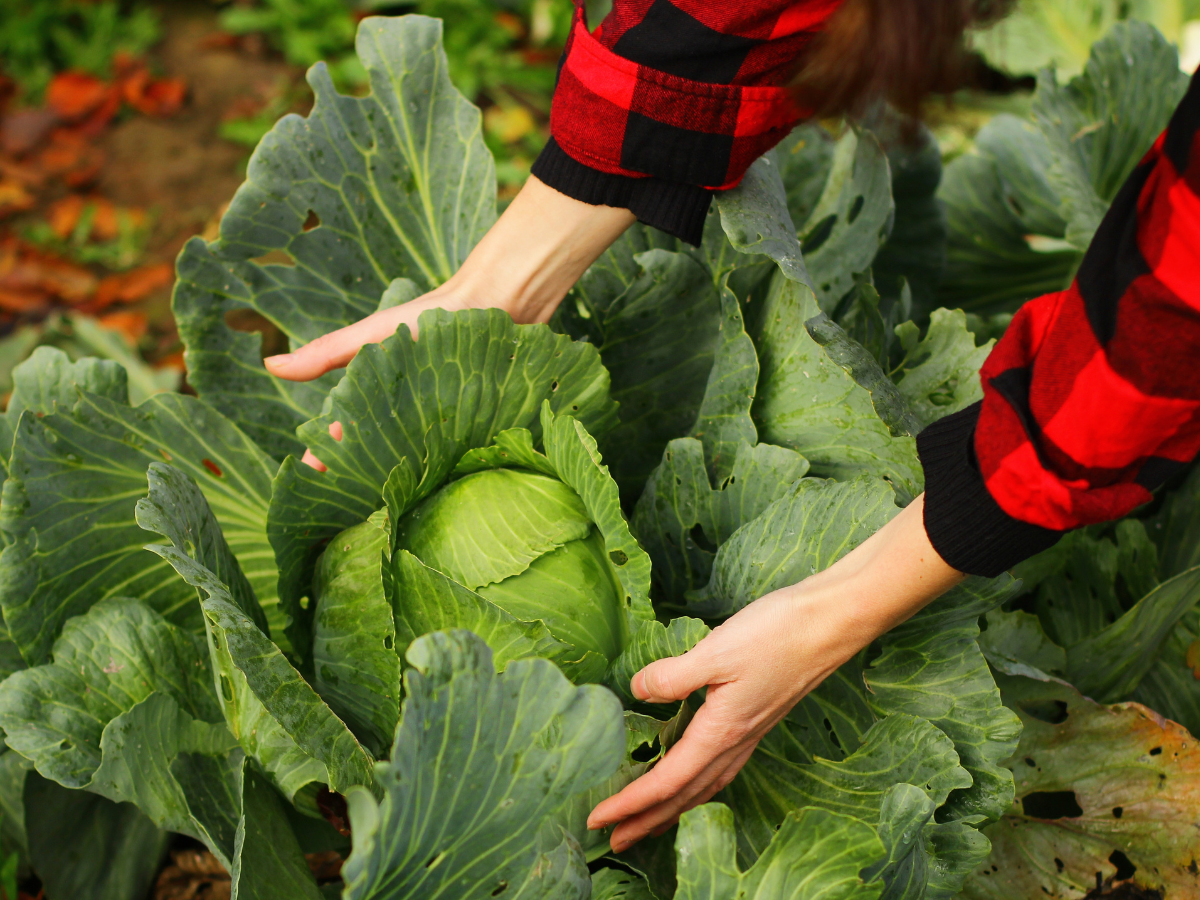
Open your fridge. Take a look in the veg drawer. Somewhere between the half-forgotten carrots and that heroic onion that’s seen better days, there might be a humble cabbage. Crisp, leafy, a bit smug about its vitamin C content. Most of us see it and think of coleslaw, soup, or something that ends up alongside grilled fish.
But in many homes across the world, cabbage sometimes takes a rather odd detour before dinner. It goes straight to the knee. Yes, really. Some people living with arthritis wrap cabbage leaves around sore joints. Knees, especially. Ankles, on occasion. The leaves get tucked into a bandage – rather like a leafy wrap. A few hours later, the joint reportedly feels better.
But in many homes across the world, cabbage sometimes takes a rather odd detour before dinner. It goes straight to the knee. Yes, really. Some people living with arthritis wrap cabbage leaves around sore joints.
At first it sounds like something unearthed from the dusty corner of a nan’s remedy book. A vegetable as pain relief? Oh, come off it. And yet the idea keeps cropping up. In rural kitchens, online forums, and occasionally even in medical research.
When folk remedies meet modern research
Interest in cabbage leaves eventually piqued the curiosity of researchers. After all, folk remedies sometimes have small nuggets of biological logic waiting to be tested. A curious home remedy passed down over generations can sometimes nudge scientists into asking, “Hang on… why does that work?”
Cabbage belongs to the same plant family as broccoli and kale. Nutritionists often lump these vegetables together because they share certain compounds produced by plants as part of their defence mechanism. Two such compounds, glucosinolates and anthocyanins, have attracted particular attention. They help protect the plant from pests, but laboratory research suggests they may also have anti-inflammatory properties.
Inflammation is at the heart of many joint problems, especially conditions like osteoarthritis. With this condition, cartilage inside the joint gradually wears down over time. As the protective cushion between bones thins, the surrounding tissues become irritated. The result is familiar to many: swelling, stiffness, and that dull ache greeting you when facing stairs or standing up after a good sit-down.
Inflammation is at the heart of many joint problems, especially conditions like osteoarthritis. With this condition, cartilage inside the joint gradually wears down over time. As the protective cushion between bones thins, the surrounding tissues become irritated.
This biological link prompted a simple question among researchers. If cabbage contains compounds associated with anti-inflammatory activity, could cabbage leaves placed on the skin have a mild calming effect?
One clinical study investigated this with people who had knee osteoarthritis. Participants used cabbage leaf wraps daily for several weeks. Compared with those getting no treatment, the cabbage group reported reduced pain and better joint mobility. Some even felt relief about the same as those using topical anti-inflammatory gels.
Researchers suspect several mechanisms could be at play. First, cabbage leaves naturally feel cool, which helps to reduce swelling and discomfort much like a cold compress. Second, the soft leaf easily moulds to the shape of a joint, providing gentle compression that could help limit swelling. Third, when the leaf is crushed or rolled, it releases small amounts of plant compounds which might interact with the skin.
Scientists still need bigger studies to understand the exact effects. No laboratory is hailing cabbage as a breakthrough arthritis treatment just yet. But the results are intriguing: that old kitchen remedy might have a grain of biological logic after all.
Scientists still need bigger studies to understand the exact effects. No laboratory is hailing cabbage as a breakthrough arthritis treatment just yet. But the results are intriguing: that old kitchen remedy might have a grain of biological logic after all.
Sometimes that is exactly how science inches forward. A household observation sparks curiosity. Curiosity grows into a small experiment. Then another. Over time, everyday knowledge and scientific investigation start to meet in the middle.
The curious charm of simple remedies
Arthritis affects millions. Aching joints, stiff mornings, that familiar creak when you get up from a chair. Anyone who lives with it knows the drill: medications, hot water bottles, physio, stretches you promise you’ll do every day. And yet, alongside modern medicine, people still turn to simple remedies. Why?
Part of the answer is staring us in the face. Accessibility. A cabbage costs about what you’d pay for a cup of tea or coffee. For somebody managing chronic pain, especially in rural areas or places with patchy medical access, kitchen remedies are an easy starting point. Then there’s curiosity. People love a little experiment. You hear about something odd, you give it a go. If it helps, you share it with your mates.
Part of the answer is staring us in the face. Accessibility. A cabbage costs about what you’d pay for a cup of tea or coffee. For somebody managing chronic pain, especially in rural areas or places with patchy medical access, kitchen remedies are an easy starting point.
Of course, cabbage leaves aren’t a miracle cure. Arthritis involves joint wear and tear, inflammation, and complex bodily processes that no leafy veg can single-handedly put right. Doctors still recommend evidence-based treatments like exercise, weight management, and medication if needed. But cabbage wraps can act as a gentle complement to those treatments. A soothing compress with a botanical twist.
To give it a try: rinse a fresh cabbage leaf, gently bruise it with a rolling pin to release the juices, place it over the sore joint, and wrap it snugly with a cloth or bandage. Leave it there for an hour or two. Some even keep it on overnight. And yes, your knee might smell faintly of soup afterwards. That bit comes free.
A cabbage leaf doesn’t promise miracles. There are no marketing campaigns or celebrity endorsements. It just sits there, humble and green, waiting for its moment. Next time your knee complains after a long day, you might eye up that cabbage in the fridge with new curiosity.
Dinner ingredient? Maybe. Joint therapy? Also maybe. Either way, that veg has just nabbed a promotion.
This content is for general information only and not a substitute for professional advice. Please check with a healthcare provider before making changes to your fitness or diet.