
























































Stand up from a low chair. Notice what happens. Do your legs spring into action or have a bit of a moan first? That subtle hesitation tells a story your body has been writing for years. Muscle is changing. Strength is up for negotiation. And protein, the nutrient that keeps everything ticking over, often gets quietly sidelined like an extra standing at the back of the scene.
Most advice about ageing focuses on movement, especially over 60 exercise. Walk more, stay active, keep at it. All sound advice. But there’s a missing piece hiding in plain sight. Movement tells your body what to do. Protein gives it the tools to actually do it.
Think of your muscles as a team that’s clocked up decades on the job. Reliable, experienced, but a bit weary. Protein is their daily wage. Pay them well, and they’ll keep turning up. Give them less, and performance dips.
The protein gap (and its role in menopause fitness)
Meals often revolve around what feels filling. Rice, bread, pasta. Comforting, familiar, easy. Protein usually plays a supporting part, a slice of meat, a spoonful on the side. Enough for taste, but not always enough for building.
That gap matters. Especially in menopause fitness, as hormonal changes speed up muscle loss and shift fat around. The body becomes less forgiving. What worked before suddenly feels a bit useless.
Good nutrition at this stage is about letting protein play a bigger part on your plate. There’s no need to rip it all up and start again, just make a small change. Breakfast, lunch, dinner—each needs its fair share. Your body works better with consistency. Drip-feeding protein across the day is more effective than loading up in one go. Muscles respond best with regular reminders that they’re still needed.
And yes, your food choices matter too. Some options do far more than just fill you up. Think of them as backup dancers in bone density exercise, helping your body keep its structure while movement does the heavy lifting. Protein, calcium-rich foods and nutrient-dense meals all work together here.
What to actually eat (without making a meal of it)
Food doesn’t have to become a full-time job. No scales, no complicated maths, no turning supper into a chemistry lesson. Just a little tweak in how you put your plate together. Start with your usual grub—and then trade up.
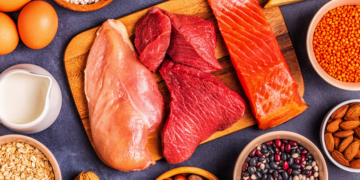
Breakfast is often a bit light on protein. Tea or coffee, toast, maybe something sweet. Tasty, yes, but not great for muscle. Add eggs, yoghurt, or even a good helping of peanut butter—not just a token scrape. Suddenly your morning isn’t just waking you up, it’s getting on with repairing muscle straightaway.
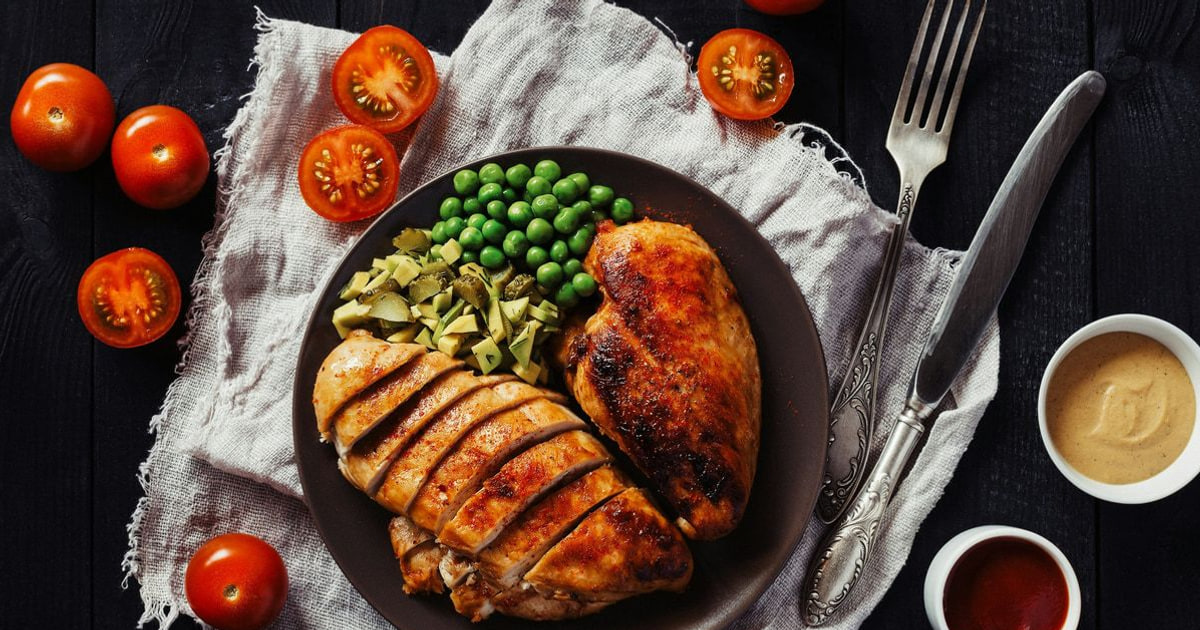
Lunch is where many people nearly get it right. Fish, chicken, tofu or beans. The key is the portion. That little slice of fish you add for flavour? Let it take centre stage now and then.
Dinner tends to be the most balanced meal, but can still be overloaded with rice or pasta. No need to ban them—just make sure protein gets its share of the spotlight. A bit more meat, a thicker chunk of tofu, another helping of beans or lentils.
Snacks can quietly plug the gap. Nuts, milk, even leftovers. Nothing fancy. Just practical. This becomes especially important in menopause fitness, when muscle loss speeds up and fat is stored more easily. Food choices start to matter more—not in a restrictive way, but in a helpful one.
There’s a partnership here with bone density exercise too. Strong bones need more than a bit of movement. They need nutrients to support their structure. Protein, calcium, and good wholesome foods all help, working quietly in the background as you get on with your day. No miracle foods needed—just proper, regular food that does its job.
Making your meals work for your muscles
Something interesting happens when protein and movement work together. The body starts to cooperate again. Strength feels less like something you once had, and more like something you can build up again. A simple routine still counts as exercise for the over 60s: a few sessions a week, short but regular. Add in walking daily or a bit of light activity, and you create a rhythm your body recognises.
This is even more important in menopause fitness: muscle loss speeds up, bone health becomes a worry. Resistance exercises—even the gentlest—send a message your body can’t ignore. Hold onto muscle. Support bones. Stay independent.
Food underpins that rhythm. Some choices pack more punch nutritionally: Fish, leafy greens, beans, nuts. These help you recover, reduce inflammation, and rebuild strength without overloading you.
Daily life starts to shift in quiet but important ways. Getting up feels less of a struggle. Walking feels lighter. Chores that used to wear you out start to feel doable again. No big transformations. No cheesy training montage. Just steady improvement that actually makes a difference.
Pair protein intake with over 60 exercise
Protein plays a key part in your quality of life. Paired with exercise for the over 60s, it helps you maintain strength, balance, and resilience. It’s there when you stand without thinking, when you carry your own bags, when your body feels like it’s properly yours—not the other way round.
The approach stays simple. Eat enough protein, spread through your meals. Notice the changes as they quietly turn up. Strength coming back in everyday moments. Confidence not far behind. That’s the kind of progress that sticks.