




















































Diet is no longer being treated as an afterthought when it comes to joint pain. In fact, it is increasingly seen as part of the toolkit. When arthritis enters the picture, even everyday tasks such as climbing the stairs, opening a jar or simply getting out of bed can feel like a negotiation rather than a routine. It is little wonder that more people are asking whether what lands on the dinner plate could help calm things down.
The interest makes sense when you look at just how widespread the problem is. Arthritis and other musculoskeletal conditions are hardly niche complaints. Across the UK, millions of people are living with aches, stiffness and reduced mobility that affect everything from work to sleep. In England alone, almost one-third of the population, with similarly high numbers across Wales, Scotland and Northern Ireland.
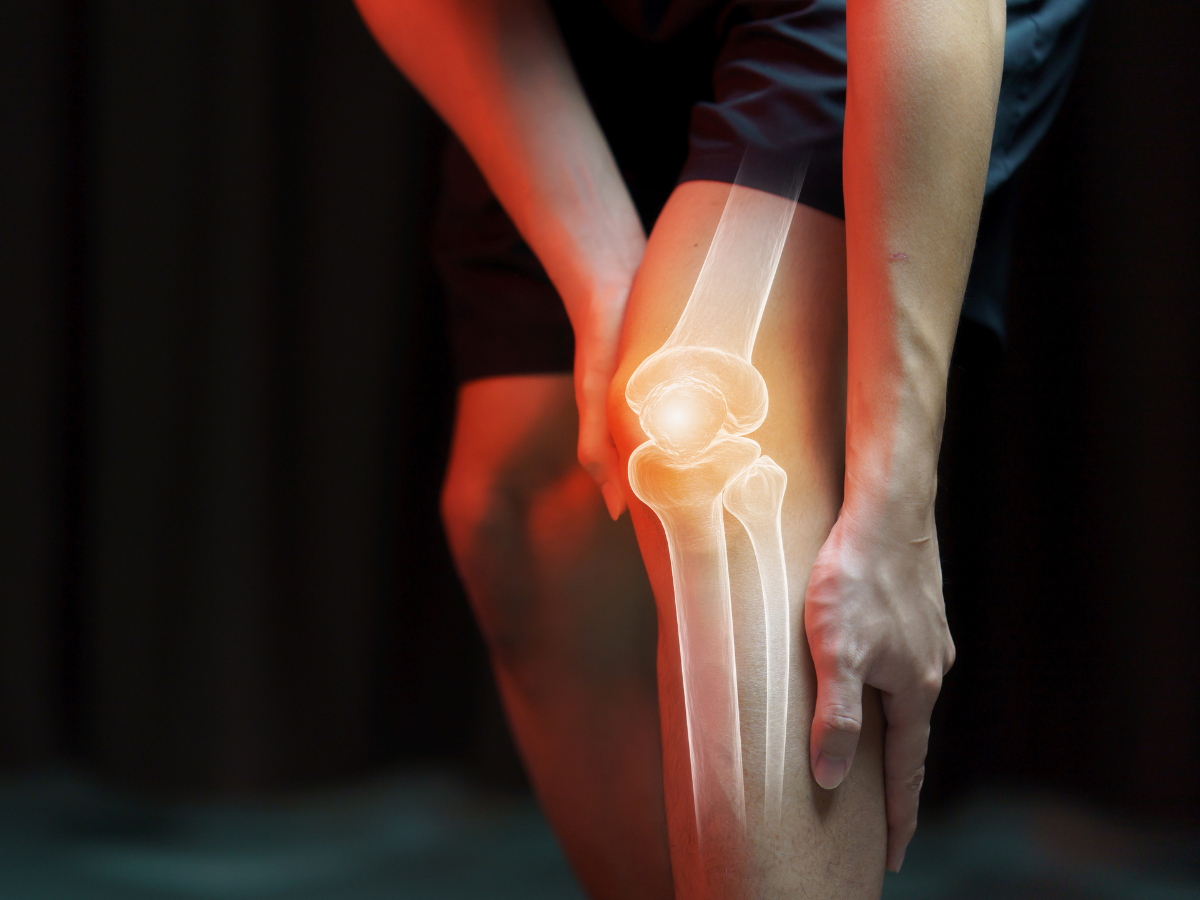
Put another way, that is a sizeable chunk of the population waking up to creaky knees, grumbling hips and joints that seem determined to forecast the weather before the Met Office does. It is estimated that around one in five people visit their GP each year because of musculoskeletal problems, underlining just how common these conditions have become.
Put another way, that is a sizeable chunk of the population waking up to creaky knees, grumbling hips and joints that seem determined to forecast the weather before the Met Office does.
So what is actually happening inside the body? Inflammation often gets a bad reputation, but it is not the villain of the piece. In the short term, it plays an important role in helping the body heal after injury and fend off infection. The trouble starts when it overstays its welcome. Instead of protecting tissues and joints, it begins to irritate them, fuelling discomfort and making arthritis symptoms more difficult to ignore. That is when finding ways to reduce inflammation becomes particularly appealing.
Common foods that can worsen inflammation
Here’s where diet comes into play. Some foods throw petrol on the flames, while others help to cool things off. There’s no miracle ingredient that will cure everything overnight, but a consistent approach to eating can point things in the right direction. Think of it less as following strict rules, and more as giving your body a better toolkit. Let’s look at the following offenders:
- Added sugar – Fizzy drinks, flavoured coffee, breakfast cereals, and snack bars might seem innocent, but they can trigger inflammatory responses in the body. Hidden sugars appear in places you wouldn’t expect, such as yoghurt or granola.
- Saturated fat – Found in red meat, butter, cheese, and even that late-night pizza, these fats can raise inflammation levels and add to joint pain over time.
- Refined carbohydrates – White bread, pastries, and white rice might be comforting, but they lack fibre and nutrients, leading to rapid spikes in blood sugar and increased inflammation.
Ever noticed how some “healthy” granolas taste more like pudding? That’s not just your imagination. Many cereals and granolas contain about 20g of sugar per 100g on average, with some going much higher. That means a typical serving can deliver plenty of added sugar. Hidden sugars sneak into more foods than you’d expect.
Saturated fat is another quiet troublemaker that often slips under the radar. Typically solid at room temperature, it may look harmless enough in the fridge, but your joints would strongly disagree. Over time, too much of it can contribute to increased inflammation, turning everyday movement into something a little less graceful than it used to be, while also nudging overall health risks in the wrong direction.
Then we have refined carbohydrates, completing the unholy trio. Stripped of fibre, they hit the bloodstream at speed, sending blood sugar levels up faster than your morning coffee kicks in. The result is a spike-and-crash effect that the body never actually agreed to, and one that can encourage inflammation to join the party when it really wasn’t invited.
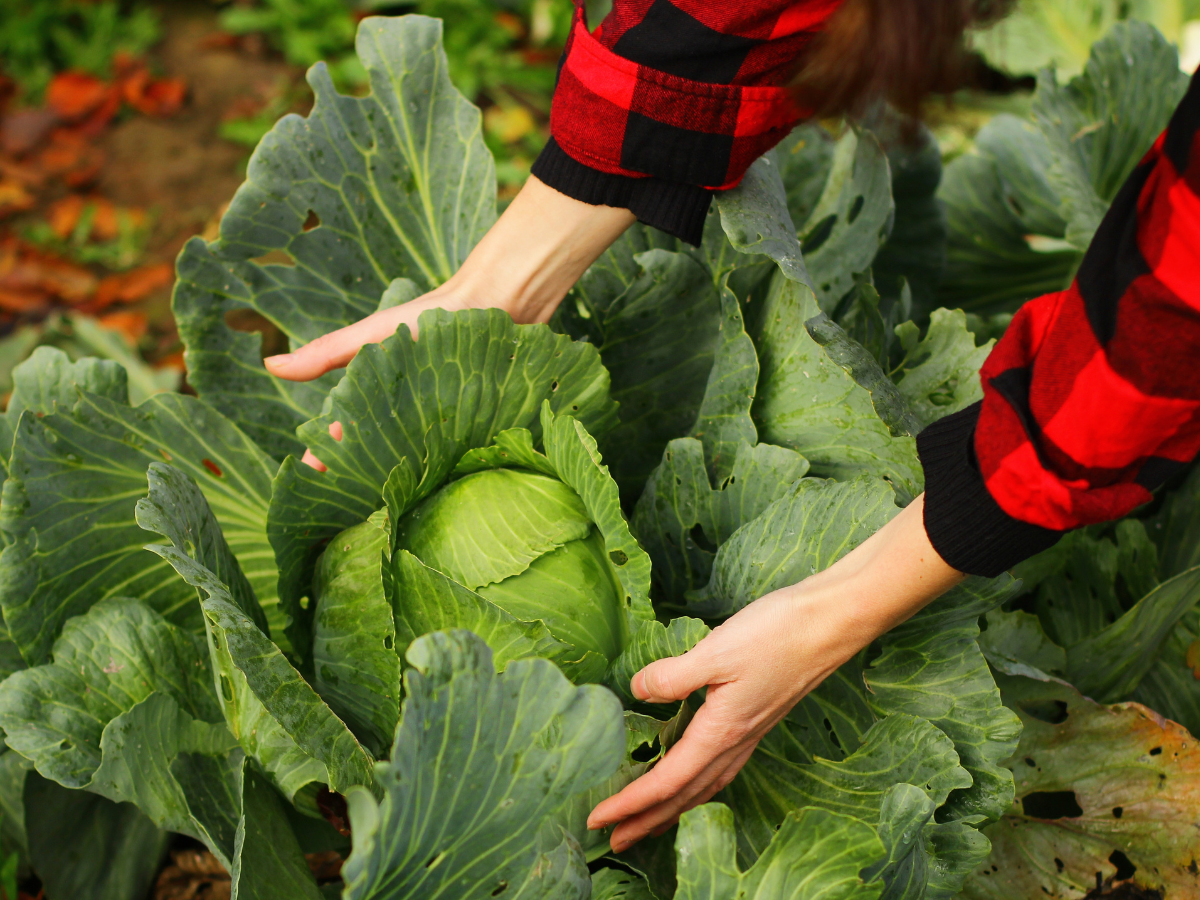
Also read: Why Some Arthritis Patients Are Wrapping Their Knees in Cabbage Leaves
Diet changes that help relieve joint pain
Here’s the good news. You don’t have to overhaul your entire diet straight away. Small changes can have a big impact. Switching to wholegrains, cutting out sugary fizzy drinks, or choosing healthier snacks can start to make a difference without being overwhelming. On the bright side, there are foods that genuinely help lower inflammation:
- Omega-3 fatty acids – Found in fish such as salmon and sardines, as well as walnuts and flaxseeds, these healthy fats have been linked to fewer aches and less joint stiffness.
- Vitamin D – Known as the “sunshine vitamin”, it supports bones and muscles, with sources including sunlight, eggs, oily fish, and fortified milk.
- Turmeric and ginger – Turmeric contains curcumin, which helps tackle inflammation, while ginger works in a way that’s a bit like common anti-inflammatory medicines.
- Fruit, vegetables, and wholegrains – Packed with antioxidants and fibre, these foods help to balance the body’s inflammatory response.
These options give you flexibility, whether you fancy animal-based or plant-based choices. Getting enough essential nutrients and adding a few simple ingredients to your meals can help support joint health over time.
Staying properly hydrated helps, too. Cartilage – the cushioning in your joints – is mostly comprised of water. By drinking enough fluids, you help to lubricate your joints and keep your body moving more smoothly. It’s an easy win, but one that’s often forgotten.
Spices have an added bonus, too. They lend flavour while helping to soothe inflammation, making your day-to-day meals tastier and better for you.

Lifestyle changes that make a big difference
Weight plays a bigger role in joint health than simply adding a bit more load to carry around. Extra body fat isn’t just sitting there quietly either – it can release chemicals that stoke inflammation, which may aggravate joint pain over time. Not exactly the kind of “support system” anyone is hoping for.
The upside is that even small changes can make a noticeable difference. Lose a single pound, and you can reduce several pounds of pressure on your knees with every step. A modest win on the scale, but a surprisingly generous payoff for your joints – they tend to notice the difference more than you’d think.
Keeping active makes a world of difference, too. When we move regularly, our joints stay supple and the muscles around them get stronger, taking pressure off the joints themselves. Do you need to smash out intense workouts? Usually not. A mixture of gentle cardio and simple strength exercises will do, and even steady, low-impact movement helps over time.
When we move regularly, our joints stay supple and the muscles around them get stronger, taking pressure off the joints themselves.
The little things we do every day matter more than we think. Sleep, stress and smoking all play a role in how inflammation is handled in the body. If stress builds up, inflammation can spike too. So, how do we manage that? Making sure to rest and unwind can make a real difference.
Of course, these changes aren’t always easy to put into practice. Fresh food can be pricey and cooking takes time. When you’re busy, planning meals can feel like another job on the list. Adding more fibre to your diet too quickly can leave you feeling bloated, at least at first. Sound familiar?
Plant-based diets can help reduce inflammation, but they do take a bit of planning. If we’re not careful, we could end up low on nutrients like vitamin B12 or iron. The aim is balance, not perfection.
Consistency matters more than perfection
Should you rely solely on diet to manage joint pain? Short answer: not quite. Helpful as it is, food is not a substitute for medical advice – especially if symptoms are lingering, worsening, or simply refusing to behave. Diet can certainly support the process, but it works best as part of a wider plan, not a solo performance.
GPs and dietitians can help tailor an approach that takes your condition, lifestyle, and any medication you may be on into proper account, rather than relying on guesswork and a hopeful glance at the fridge.
The truth is, there’s no one-size-fits-all “perfect diet” quietly waiting to solve everything. What tends to matter far more is consistency over time – the unglamorous but effective bit. Regularly choosing nutrient-dense, whole foods and pairing them with sensible daily habits is what gradually helps support joint function and overall wellbeing.
Will it magically erase joint pain altogether? Unlikely. But can it make movement a little easier, dial down discomfort, and help you get back to the things you actually enjoy? Very possibly. Especially when good nutrition is teamed up with the right medical guidance and a few sustainable lifestyle tweaks. The body, as it turns out, tends to appreciate teamwork.
This content is for general information only and not a substitute for professional advice. Please check with a healthcare provider before making changes to your fitness or diet.