
















































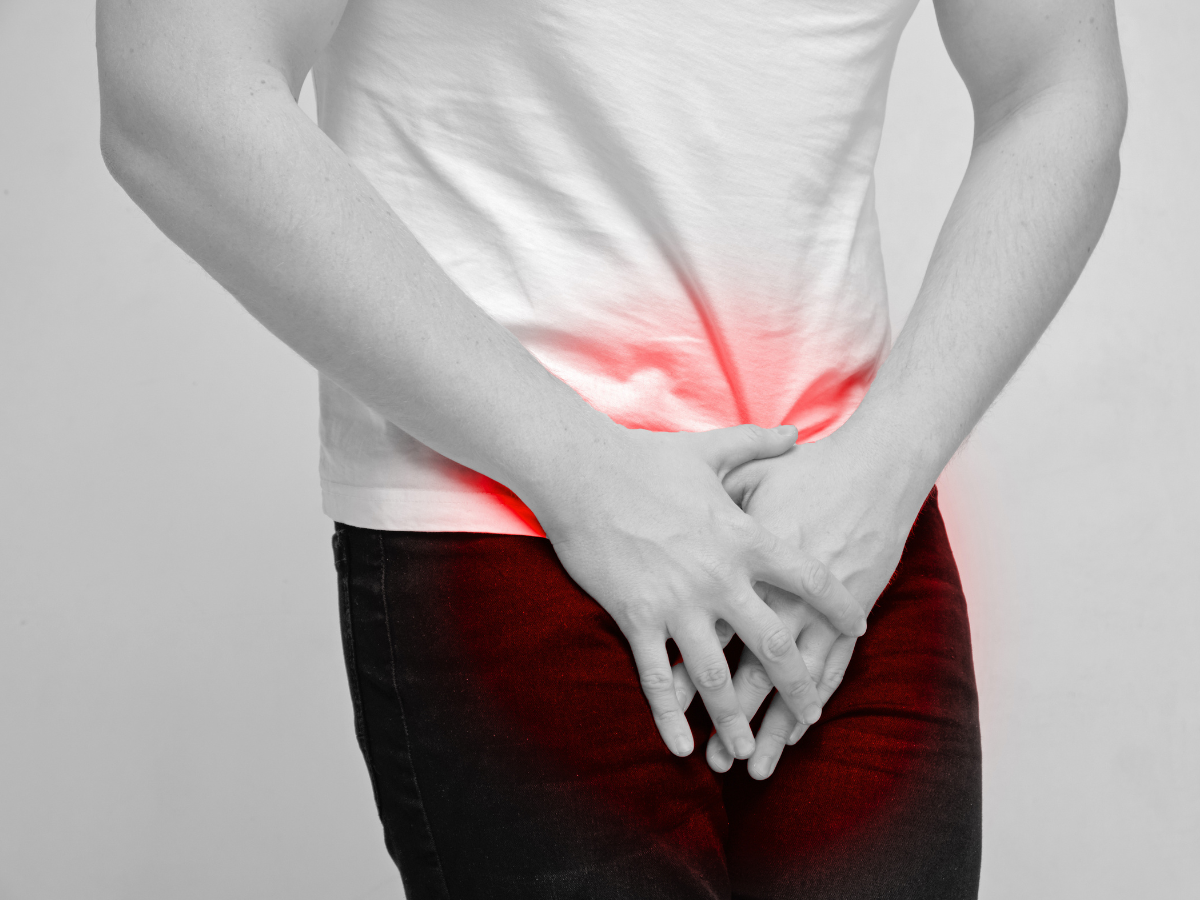
Prostate health might not be a dinnertime conversation, but it deserves a spot on your radar as the years go by. An enlarged prostate, or benign prostatic hyperplasia (BPH), creeps up on many men over 50 and becomes more common as you grow older.
An enlarged prostate, or benign prostatic hyperplasia (BPH), creeps up on many men over 50 and becomes more common as you grow older.
It isn’t cancer, so you can breathe easy, but the symptoms can turn life into a string of inconvenient dashes to the loo.
Night-time trips to the loo might have you feeling like a zombie running on too much coffee, sudden urges hit like a plot twist you never saw coming, and that niggling feeling your bladder never empties can make even a quick outing feel like quite the ordeal.
Paying attention to how prostate health, inflammation, and overall wellbeing interact gives you a head start on keeping your nights restful and your days going without unwanted interruptions.
Understanding benign prostatic hyperplasia
BPH starts when androgens, the hormones that give men their characteristic traits, decide to throw a growth party in the prostate.
Over time, these hormones can cause prostate cells to multiply, making the gland swell and sometimes blocking the urethra.
When that happens, trips to the loo become a negotiation. You might struggle to get started, notice a weak stream, or feel like your bladder has a mind of its own. If left unchecked, BPH can lead to urine retention and even put your kidneys at risk.
When that happens, trips to the loo become a negotiation. You might struggle to get started, notice a weak stream, or feel like your bladder has a mind of its own. If left unchecked, BPH can lead to urine retention and even put your kidneys at risk.
Keeping BPH separate from prostate cancer is key. Both affect the prostate and can share a few warning signs, but they play very different roles.
Prostate cancer lets rogue cells grow quietly, often for years without symptoms, while BPH makes its presence known loud and clear with urinary issues.
Any worrying symptoms deserve a check-up with a medical professional to get the right diagnosis and care. Paying attention early gives you a better shot at keeping your bladder and your life running smoothly.
Gentle, natural ways to care for your prostate
Dealing with BPH symptoms can feel like your bladder is running its own reality show, but a mix of natural remedies and smart lifestyle tweaks can make life an awful lot more comfortable.
These strategies focus on overall wellbeing while gently nudging away the factors that drive prostate problems.
Any new treatment plan, even natural ones, calls for a check-in with your GP to ensure your safety and that nothing gets in the way of your existing care.
Saw palmetto has earned its reputation as a go-to herbal remedy. Studies suggest it can block the 5-alpha-reductase enzyme, which converts testosterone into dihydrotestosterone (DHT).
Since DHT can encourage prostate cells to multiply, reducing it may ease symptoms and even shrink the prostate a bit.
Since DHT can encourage prostate cells to multiply, reducing it may ease symptoms and even shrink the prostate a bit.
Results look promising, but more research is needed, according to the National Center for Complementary and Integrative Health, a US government body that looks at natural and alternative therapies.
Your diet can lend a hand too. Onions and garlic are more than kitchen staples: they may help men with BPH, since eating less of these vegetables has been linked to the condition.
Green tea contains antioxidants that could slow BPH development. Lycopene, the pigment that makes tomatoes red, may improve quality of life even if its effect on prostate size is unclear.
Zinc is another important factor, as low levels can increase the risk of BPH and prostate cancer, and it may also help reduce DHT.
Simple lifestyle habits are just as important. Cutting down on drinks before bed can save you from repeated night-time dashes to the loo.
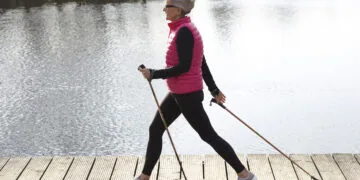
Double voiding – where you go, wait a bit, then try again – helps empty the bladder more completely. Staying active and maintaining a healthy weight can slow prostate growth while keeping you feeling fitter and more energetic.
Addressing inflammation through heat and cold therapy
Inflammation is your body’s way of waving a red flag, and it can creep into all sorts of health problems, including prostate issues.
Heat and cold therapy are starting to get attention for their potential to help keep inflammation in check. Think of them as a gentle nudge to calm things down and boost overall wellbeing.
Adding these approaches to your routine might help ease discomfort while keeping you feeling more balanced and in control.
Heat therapy and hydro hacks
Infrared saunas work like a backstage pass for your body, letting heat penetrate more deeply than a traditional sauna. The warmth relaxes tense muscles, improves circulation, and helps flush out waste products, like lactic acid, that build up after a tough workout.
If chronic pain is wrecking your day, the heat can offer a soothing escape by calming inflammation and getting the blood flowing.
Infrared sessions might also lower cortisol, the stress hormone, which means less tension and potentially better sleep at night.
Infrared sessions might also lower cortisol, the stress hormone, which means less tension and potentially better sleep at night.
Hydrotherapy is worth mentioning too, especially sitz baths. Alternating between warm and cold water can help relieve symptoms of an enlarged prostate.
Warm water relaxes pelvic muscles and encourages healing, while cold water helps reduce swelling and relieve discomfort.
Cold exposure: the power of ice baths
Cold water immersion, or ice baths if you’re feeling brave, is gaining popularity for its recovery and inflammation-fighting effects. Research directly on prostate health is still in its early days, but the anti-inflammatory benefits are well-known.
Taking the plunge triggers a body response that can turn down inflammation, which may ease BPH symptoms by sorting out one of the usual culprits.
The initial shock of icy water is intense, like a surprise jump scare in a film, but regular dips build serious resilience.
Anyone hoping to manage chronic inflammation may find that cold water swimming is a surprisingly powerful tool. The body adapts in time, circulation improves, and your immune system gets a bit of a boost, leaving you feeling tougher and more prepared for anything that comes your way.
Managing those unexpected leaks
Urinary incontinence, or the odd surprise leak, can creep up on men, sometimes due to prostate issues or other health concerns.
Stress incontinence tends to pop up when your pelvic floor muscles are waving the white flag, making sneezes, laughs, or a jog a bit too eventful.
Stress incontinence tends to pop up when your pelvic floor muscles are waving the white flag, making sneezes, laughs, or a jog a bit too eventful.
Then there’s urge incontinence, where your bladder seems to have a mind of its own, sending you dashing to the loo with little notice.
BPH can play a role in these leaks, but the good news is there are ways to take back control. Medications that relax the bladder and prostate, or minimally invasive options like Rezūm™ Water Vapour Therapy (which uses steam to shrink prostate tissue), can help restore flow.
For stress incontinence, giving your pelvic floor muscles a workout with Kegels – simple squeezes that firm up those muscles – is a classic move.
Biofeedback can step in to help you learn to identify and control those muscles. And if symptoms linger, medical procedures or surgery might be worth discussing.
Taking care of your prostate and wider wellbeing isn’t a one-step fix. It’s about noticing how your body changes with age, keeping inflammation at bay, and weaving together a lifestyle that brings together healthy eating, regular movement, and practical wellbeing habits.
Natural remedies, heat or cold therapies, and targeted exercises can all help ease BPH symptoms and give your resilience a boost.
Turning up for regular check-ups, relying on evidence-based strategies, and figuring out what works for you puts you firmly in control. Making these practices part of your routine lays the foundation for thoughtful, effective men’s health management.
This content is for general information only and not a substitute for professional advice. Please check with a healthcare provider before making changes to your fitness or diet.