

















































Most of us want to be healthy, but we also want to eat chips at midnight and skip the gym without feeling guilty. Sadly, lifestyle choices influence our long-term health, even if they don’t tell the whole story.
Cancer rates keep rising worldwide, and while age and genetics do their thing without asking permission, around 30% to 50% of cases link to factors we can influence, according to the World Health Organization.
That means the daily choices you make matter more than you might think, even if they are not the full picture.
That means the daily choices you make matter more than you might think, even if they are not the full picture.
This isn’t about turning into a kale-munching monk. It’s about giving yourself an edge and nudging the odds in your favour.
Also read: Practical Budget-Friendly Tips for Staying Healthy and Fit
Food, weight, and the subtle power of meals
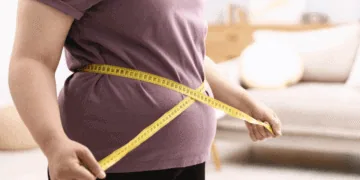
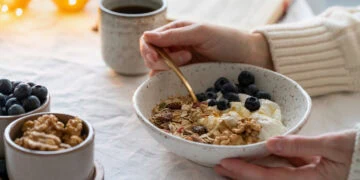
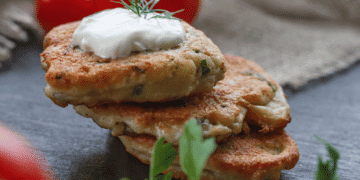
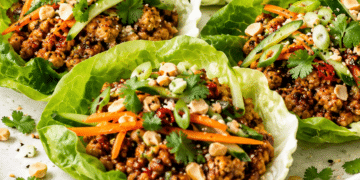
Diet is always the star in health conversations, and for good reason. Eating mostly whole foods while cutting back on heavily processed items supports a healthier body weight. Excess body fat is linked to higher risks of several cancers, especially breast and endometrial.
Think of fat cells as chatty neighbours sending hormonal signals around your body. Some of those signals, like extra estrogen, can influence cancer development over time.
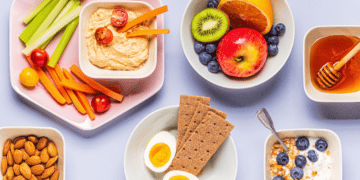
That does not mean you have to give up pizza or live on kale smoothies. Major cancer authorities recommend a balanced approach with vegetables, fruits, whole grains, and lean proteins. The goal is to keep your weight in a safer range without turning every meal into a lab experiment.
The goal is to keep your weight in a safer range without turning every meal into a lab experiment.
Move a little more, live a little longer
With your diet mostly in check, it’s time to give your body a little action. Exercise isn’t just about flaunting your glutes on Instagram. It also lowers the risk of several cancers, including breast, colorectal, and endometrial.
Physical activity helps regulate hormones, tame inflammation, and boost metabolism. In other words, moving regularly keeps your body’s systems humming along nicely.
You don’t need to train for a marathon. A brisk walk, cycling to work, or even dancing like nobody’s watching in your kitchen counts. The key is to move often and stop letting your sofa develop emotional attachment. Every little bit adds up, including those habits that quietly undermine all your efforts.
Tobacco, alcohol, and sun sense
Some habits affect your cancer risk more than others. Smoking is the biggest culprit. Cigarette use accounts for roughly a quarter of all cancer deaths. Lungs, mouth, throat, and bladder are some of the organs most affected. Quitting or avoiding tobacco is one of the most effective ways to reduce risk.
Alcohol also raises risk. It is classified as a carcinogen, and even modest amounts increase the likelihood of developing certain cancers. Moderation or avoidance is the safest choice, especially if you are looking to stack the odds in your favour.
Alcohol also raises risk. It is classified as a carcinogen, and even modest amounts increase the likelihood of developing certain cancers.
Sun exposure is another factor to consider. Too much sun can lead to skin cancer, while too little can lower vitamin D levels, which is linked to increased risks for some diseases. Finding balance through sensible sun exposure, sunscreen, and vitamin D from fatty fish or fortified foods is the smart approach.
The benefits of stacking good habits
Paying attention to these everyday exposures completes the foundation of healthy habits. Maintaining a healthy weight, moving regularly, eating well, and avoiding high-risk behaviours combine to lower cancer risk more than focusing on a single change.
Global analyses estimate that about 44 percent of cancer deaths are linked to modifiable risk factors like tobacco, alcohol, poor diet, inactivity, and excess body weight.
Experts emphasize that while you can’t rewrite your age or genetics, you can influence a large chunk of your risk profile. Routine screenings plus smart daily habits increase your chances of catching problems early and managing them effectively. Healthy living doesn’t promise a cancer-free life, but it gives you leverage. In the unpredictable game of health, every little edge counts. Stack the deck in your favour, and each small step adds up to a surprisingly big impact.