


























































Everyone knows processed food isn’t exactly healthy. You don’t need another wellness guru reminding you that instant noodles aren’t a meal or that your “protein bar” is basically a chocolate bar in disguise. Still, we reach for them. They’re cheap, quick, and taste like comfort when life feels overwhelming.
And honestly, who can blame us?
When the price of fresh fruit and veg keeps climbing and your food shop costs as much as the rent, a ready meal feels like a small mercy. Processed food makes sense when you’re knackered after work and counting pennies. It fits the rhythm of modern life. It’s predictable, quick, and never asks you for more effort than you’ve got left to give.
The trouble is, what saves you time and cash today quietly steals your energy tomorrow.
Also Read: Eat Smart and Feel Good with Sustainable Weight Loss That Actually Works
The hidden cost of convenience
Ultra-processed foods solve short-term problems. But the satisfaction never lasts. You finish the bag, feel a sugar rush, and then crash into hunger again. It isn’t your imagination. It’s how the food is designed to work.
A 2025 University College London study followed two groups eating similar nutrients for eight weeks. One ate minimally processed foods, the other ultra-processed. Both met official nutrition guidelines for fat, carbs, protein, and salt, and no one was asked to count calories or restrict portions. The results showed those eating real food lost nearly twice as much.
This echoed findings from a National Institutes of Health trial where participants on ultra-processed diets, though convenient, habitually consumed about 500 more calories a day than those eating whole foods. The study revealed why they ate more. The difference wasn’t willpower. It was our biology reacting to the type of calories being consumed.
Convenience, it turns out, can be costly when it keeps you hungry.
Why processed feels irresistible
If you’ve ever finished a tub of ice cream you didn’t plan to open, you know processed food is persuasive. But it was built to be. The mix of sugar, salt, and fat activates the brain’s pleasure centre, creating a quick hit of reward that fades almost instantly. You go back for more, not because you’re greedy, but because your body is still looking for real satisfaction.
You go back for more, not because you’re greedy, but because your body is still looking for real satisfaction.
This isn’t a moral failure. It’s chemistry. The food industry invests heavily in perfecting the bliss point—the exact balance of taste and texture that keeps you hooked.
Minimally processed foods work differently. They take longer to chew and digest, allowing hunger and fullness signals to catch up. You eat until you’re content, not until the packet is empty. That small difference changes everything about how your body handles food and energy.
The quiet return to real food
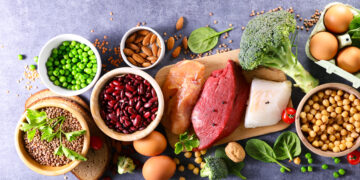
Eating real food isn’t about going broke at a farmers’ market. It’s about making small, doable shifts that give you back control. A pot of rice and beans. A tomato sauce made from scratch. A handful of nuts instead of a bar that looks like nuts but tastes like dessert. These tiny changes reconnect you with the process of eating.
Cooking at home feels old-fashioned until you remember how human it is. It forces you to slow down long enough to care. You notice the smell, the colour, the texture. You eat at a pace your body understands. That pause is more powerful than any diet rule because it reconnects you with your food and, by extension, with yourself.
Cooking at home feels old-fashioned until you remember how human it is.
The British Heart Foundation points out that diets lower in ultra-processed foods reduce the risk of heart disease, type-2 diabetes, and long-term weight gain. When you eat closer to nature, your body responds with balance rather than rebellion.
How sustainable weight loss really feels
The phrase “sustainable weight loss” gets tossed around until it loses meaning, yet it fits here better than anywhere.
Real food doesn’t demand strict rules or calorie-tracking apps. It works because it restores rhythm. You feel full longer, crave less, and stop fighting your body.
Real food doesn’t demand strict rules or calorie-tracking apps. It works because it restores rhythm. You feel full longer, crave less, and stop fighting your body.
It also doesn’t have to drain your wallet. Buying ingredients in bulk, freezing leftovers, and cooking double portions make it affordable. You end up spending less because you stop paying for snacks that never deliver satisfaction. Sustainable eating isn’t about perfection. It’s about practicality that feels good.
Weight loss becomes a side effect rather than the goal. Your focus shifts from restriction to nourishment, from control to consistency.
The real reward
Eating well can feel like a luxury, and in many ways, it is. After all, cooking takes time, energy, and sometimes a few extra coins you might not have planned for. Yet it’s also one of the few luxuries that gives something back. The effort you put into real food returns as steadier energy, sharper focus, and a quiet confidence that grows from feeling genuinely well. That’s the thing most quick-fix solutions and weight-loss trends forget to mention.
The effort you put into real food returns as steadier energy, sharper focus, and a quiet confidence that grows from feeling genuinely well.
Real change doesn’t happen through restriction or clever marketing. It happens through care. Choosing real food is a small, everyday act of care for your body. Because while easy food saves you time, real food gives you life.