






















































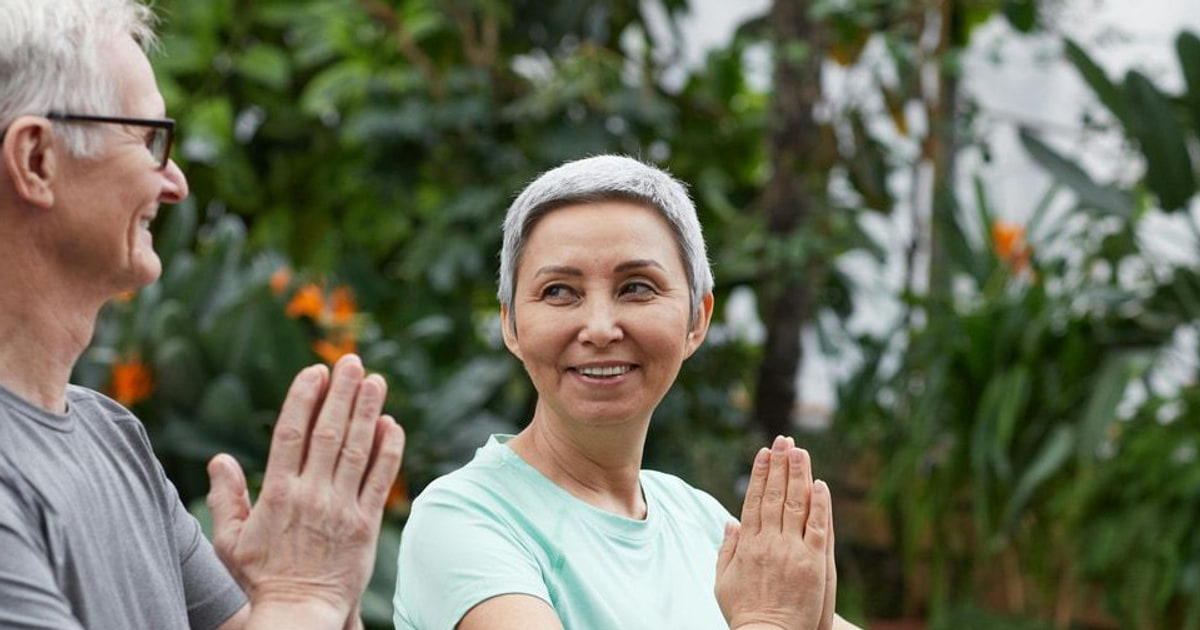
Tai chi is fast becoming everyone’s favourite “wait, does this actually work?” kind of exercise. For many older adults, staying active can feel rather like negotiating with stubborn knees and a back that’s got plenty to say for itself. The usual exercise routines? Not always the most welcoming. That’s where tai chi steps in, especially for anyone embracing fitness over 60. No jumping about, no dashing, no dramatic gym showdowns. Just slow, steady movement that actually feels achievable, even on days when you’re not exactly brimming with energy.
At its heart, tai chi is an ancient Chinese martial art built on the idea of balance. Yin and yang, opposites in harmony. Sounds profound, but it turns up in the simplest ways. Each movement flows into the next. Nothing forced, nothing abrupt. It’s less about “pushing harder” and more about “moving smarter.” Think of it as finding your rhythm again, one step at a time.
The best bit? Tai chi doesn’t rely on speed or brute strength. No heavy weights. No racing against the clock. Instead, it focuses on inner energy, often called qi. The movements are teamed with breathing and awareness, which might sound posh but soon feels natural once it clicks. The result? A sort of moving meditation that gently works the body while giving your mind a bit more breathing space.
Tai Chi styles that benefit strength and balance
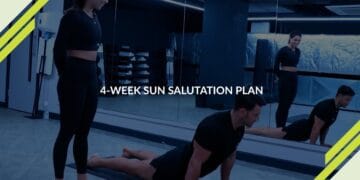
There are five main styles of tai chi: Chen, Yang, Sun, Wu/Hao, and Wu. Each has its own tempo and movement, but all stick to the same core principles. For older adults, the Yang and Sun styles are often easier to pick up and gentler on the joints. Whatever the style, tai chi focuses on balance, coordination, and steady breathing, making it suitable for different fitness levels.
One of its biggest benefits is improved balance and stability. As we get older, muscles can weaken and joints stiffen up, raising the risk of falls. Tai chi helps fine-tune body awareness and control with slow, steady movements. Over time, it strengthens key muscles and improves coordination, making it easier to keep on your feet and steer clear of tumbles.
Beyond balance, tai chi also supports muscle strength and flexibility. It’s a weight-bearing exercise, so it bolsters muscle and bone health. That’s important for older people, as losing muscle can affect independence and how easy it is to get about. Regular practice can even help loosen up stiff joints and improve mobility, making everyday tasks a bit easier and less uncomfortable.
Mental clarity, stress relief, and pain support
The mental perks of tai chi deserve just as much attention. Forgetfulness happens, concentration wavers, and moods shift. It’s all part of getting older, but the mind doesn’t have to sit on the sidelines. Tai chi gently brings it back to the here and now. Each movement calls for attention and timing, keeping your brain engaged without piling on the pressure. Miss a step? Not the end of the world. That’s part and parcel of the flow.
Over time, that steady focus starts to make a difference. Harvard Medical School found tai chi might help boost brain health and slow down age-related decline. Add in the natural rhythm of movement and breathing, and stress starts to melt away. Anxiety lessens. The mood lifts. And on certain days, that alone feels like a win.
Ongoing pain is another area where tai chi quietly proves its worth. Aching knees, stiff joints, that one grumbly shoulder. Sound familiar? Tai chi keeps things gentle and controlled, so your body stays active without being pushed too hard. No sudden twinges, just smooth, steady movement that helps ease discomfort over time.
Improved mood and recovery support
Another benefit comes from boosted mood and overall wellbeing. These effects are often linked to the body’s own “feel-good” chemicals, helping ease discomfort and support emotional health. Ongoing tai chi practice has been shown to ease stress and symptoms of depression, making it easier for older adults to manage both physical and mental struggles.
Recovery from illness or injury can also be improved with tai chi. After events such as a stroke or heart problems, regaining strength and coordination can be tough. Tai chi offers a gentle route to rebuilding these abilities whilst also supporting mental resilience.
One study in Frontiers in Neurology found that tai chi–based exercise can improve balance, movement, and broader recovery in stroke patients. That mix of slow movement, balance, and focus helps restore confidence and independence as time goes on.
Compared with other activities like yoga, tai chi’s often seen as more suitable for those with limited mobility. Its moves are less demanding and come with a lower risk of injury, making it a safer option for first-timers or those with physical limitations.
Safety and limitations for fitness over 60 routines
That being said, tai chi isn’t without its limits. It takes concentration, which can be tricky for those with cognitive difficulties. And it might not hit the spot if you’re after a more intense workout, especially if you’ve joined a high-energy fitness over 60 group. Anyone with serious balance problems should take things slowly and consider learning with proper guidance.
For best results, aim for two or three sessions a week. Begin gently, focus on good technique, and listen to what your body tells you. Learning from a qualified instructor can help build your confidence and steer you away from mistakes. Keep safety in mind as well—check with your GP, wear comfy clothes, stay hydrated, and don’t forget a warm-up. There’s a lot to be said for a steady, gradual approach.