

























































Turning 50 doesn’t have to feel like a retirement announcement; it can be the start of your most vibrant chapter yet.
Think less “slowing down,” more “cruising in style,” with muscles that co-operate and energy that actually keeps up with your diary.
Whether you’re inspired by celebrity fitness icons like Joe Wicks or just trying to make it up the stairs without wheezing, a smart mix of movement, nutrition and playful routines can make ageing a lot more enjoyable (and far less of a drag).
Eat like you mean it – small, frequent and delicious
Here’s the thing: ageing gracefully isn’t just about working out like a maniac. What you put on your fork matters almost as much.
Take a page from Mahesh Babu’s playbook – yes, the Telugu superstar turned 50 this year – he swears by five to six small meals a day, spaced out to keep energy levels steady and muscles happy.
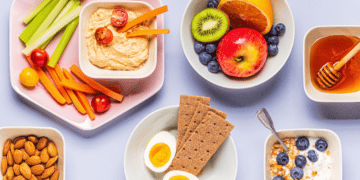
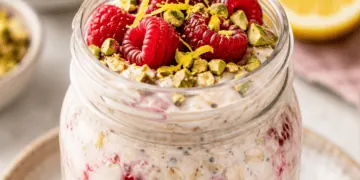
Breakfast? Think oats, eggs, nuts and fresh fruit – a combo that fuels workouts without making you want to nap at your desk. Post-exercise? A protein shake keeps muscles from sulking. Lunch and dinner? Lean proteins like fish, chicken or lamb with whole grains such as brown rice and quinoa.
Lunch and dinner? Lean proteins like fish, chicken or lamb with whole grains such as brown rice and quinoa.
And don’t worry, the odd treat makes the plan sustainable. After all, life’s too short for boring meals.
Also read: Want to Stay Strong as You Age? Eat Like This
Why the science backs this up
Eating smaller meals helps regulate blood sugar, maintain insulin balance and support muscle health. Protein intake spread across the day helps preserve strength, while fruit, veg, whole grains and healthy fats keep your heart and brain sharp.
Plus, spacing out meals can prevent that post-lunch slump where you feel like a zombie stumbling through e-mails. It also stops cravings hijacking your afternoon snack stash which, let’s be honest, we all have. Over time, this approach keeps your metabolism engaged, so your body actually works with you instead of against you.
Meal planning without the faff
Even if you’re no kitchen wizard, simple swaps – brown rice instead of white, grilled fish instead of fried – make a difference. A bit of Sunday prep goes a long way during the week. Batch-cooking meals or chopping veg ahead of time saves precious weekday minutes, giving you more energy for exercise or just binge-watching your favourite show guilt-free.
Planning also reduces the temptation to grab a takeaway when life gets hectic, which keeps both your waistline and wallet happier. Having a simple “go-to” list of meals means less mental energy is spent thinking about what to eat, leaving more brain-power for the fun stuff in life.
Flexibility is key
Structure matters, but sanity comes first. Allow room for treats or comfort foods now and then; long-term habits matter more than a single indulgence. The goal isn’t perfection – it’s consistency over months and years.
Allow room for treats or comfort foods now and then; long-term habits matter more than a single indulgence.
Being flexible with your meals means you can enjoy social dinners, birthdays or that extra scoop of ice cream without guilt. When you approach eating this way, it’s easier to stick to healthy habits because they feel like a lifestyle, not a punishment.
Move every day, but do it smart
If your diet fuels you, your body still needs to move to keep the engine running. Ageing brings natural changes: muscle mass drops, joints get creaky, vision shifts and breathing doesn’t always co-operate. But here’s the fun part – even gentle, consistent exercise can slow these changes down.
Think of Mahesh Babu: five days a week, 60–90 minutes, mixing strength training, cardio, yoga, Pilates and HIIT. His trainer emphasises working different muscle groups each day, finishing with stretching to keep flexibility high. The secret? Consistency beats intensity. Even a 10-minute walk or a chair-yoga session counts; your body doesn’t care how fancy the moves are, just that you keep moving.
Strength, flexibility and balance
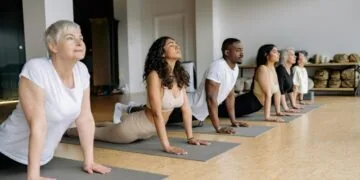
Strength training, flexibility and balance are your best mates after 50. Why? Because falling or losing mobility is more than embarrassing – it can lead to serious injury. Low-impact exercises like swimming or water aerobics protect joints while still getting your heart rate up.
Resistance training with bands or weights maintains muscle and bone density, reducing the risk of osteoporosis and diabetes. Chair yoga and wall Pilates? Perfect for those who need support but still want to challenge their bodies.
Chair yoga and wall Pilates? Perfect for those who need support but still want to challenge their bodies.
Even indoor walking counts – pace yourself, take breaks and remember, the aim isn’t Olympic-level performance. It’s about keeping the body capable, flexible and ready for the fun stuff in life: dancing, hiking or chasing the grandkids.
Make ageing fun – consistency over perfection
Consistency is key. Mahesh Babu sticks to workouts because fitness is non-negotiable. You don’t need a trainer: set small goals, mix cardio, strength and flexibility, and make it fun. Walk, try yoga or dance to your favourite playlist – every move counts.
Hydration matters too. Older adults dehydrate faster, so sip water before, during and after exercise. Schedule your workouts when you have the most energy – morning, afternoon or evening, whatever suits your rhythm. Listen to your body, enjoy the process and keep nutrition and movement in balance.
Ageing doesn’t mean slowing down. With smart nutrition, regular exercise and a playful approach, you can stay strong, flexible and energised past 50. Take cues from local fitness programmes or simple daily habits – just move, eat well and treat your body like the VIP it is.
This content is for general information only and not a substitute for professional advice. Please check with a healthcare provider before making changes to your fitness or diet.