























































Here’s the truth about getting older: your body starts getting a bit fussier. Muscles want more attention. Bones start dropping hints for extra care. And digestion? It simply asks you to be kind.
The good news is that you don’t need magic powders, miracle potions, or “superfoods” that sound like chemistry experiments. A regular plate of real food can quietly do the job. This guide is for anyone who enjoys eating well without turning mealtime into a science lab. The goal? Food that helps you stay strong, steady and satisfied.
Also read: Alzheimer’s meets its match: Brain-boosting power of probiotics and gut health
Protein becomes your best friend
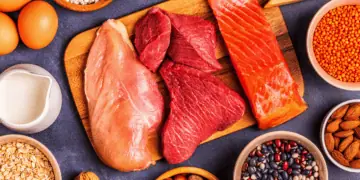
Once you hit midlife, protein finally gets the standing ovation it deserves. It’s key for keeping muscles firm and energy levels up. The trick is to spread it through the day instead of piling it all on your dinner plate.
Think of it like topping up your phone battery instead of waiting for that panicky red one percent. A palm-sized piece of chicken or tofu at lunch? Brilliant. Two eggs at breakfast? Even better. A spoon of yoghurt for a snack keeps things ticking along without turning you into someone who can’t stop talking about macros.
Now, oily fish deserves its own round of applause. Salmon, sardines, and mackerel bring healthy fats that your heart and brain absolutely adore. And before you wrinkle your nose at tinned fish–don’t. The tinned versions are inexpensive, easy to use, and live happily in your cupboard until you need them.
Pair protein with colourful vegetables and slow-release carbs like brown rice or wholegrain bread, and you’ve got meals that keep energy steady and hunger at bay. Scrambled eggs on seeded toast, roasted vegetables with lentils, chickpea curry with rice–all solid choices that require zero tracking apps.
Fibre keeps everything moving
Fibre might not get glamorous headlines, but it does serious work behind the scenes. It keeps digestion smooth, supports your heart, and helps balance blood sugar so you’re not crashing at 3 PM wondering why life is so hard.
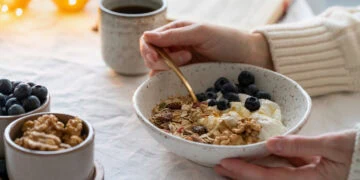
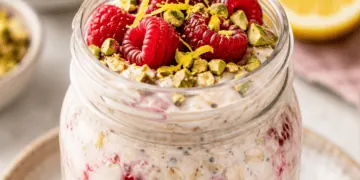
Reaching about 30 grams a day is easier than it sounds. Choose wholegrain bread over white. Pick oats for breakfast. Load up on vegetables. Done. Just increase fibre gradually and drink more water–your gut will thank you.
And let’s talk frozen. Frozen peas, mixed veg, and berries all count toward your daily quota. They save money, reduce waste, and mean you always have something green within arm’s reach. A bag of pre-washed salad? That’s another quiet win for nights when chopping feels like a Herculean task.
While we’re here: swap butter for olive oil, trade crisps for nuts, and use herbs, spices, and lemon to make everything taste amazing without drowning it in salt. Little changes, big payoff.
Building a balanced plate
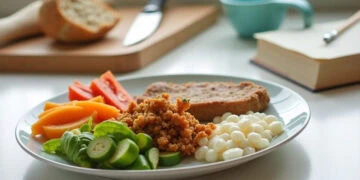
You don’t have to move to the Mediterranean to eat like you live there, though the weather would be nice. Here’s the formula: half your plate in vegetables or salad, a quarter in protein, and a quarter in wholegrains or starchy veg. Add a drizzle of olive oil or sprinkle of nuts. Simple, flexible, satisfying.
A well-stocked cupboard is your secret weapon. Tinned tomatoes, beans, lentils, and fish are reliable building blocks for quick meals. Keep garlic, onions, herbs, and a couple of lemons around and suddenly even plain ingredients feel inspired.
Plan your week in easy anchors: maybe two fish dinners, one or two meat meals, a couple of vegetarian nights, and a “use-it-up” evening for leftovers. Cooking a batch of brown rice at the start of the week makes lunches stupidly easy. Keeping yoghurt and fruit on hand turns dessert into an afterthought–in the best way.
Don’t forget about bones. Calcium from milk, yoghurt, fortified plant drinks, or tinned fish with edible bones all help keep your skeleton strong. Vitamin D is equally essential, especially during long British winters. Fortified foods or a daily supplement can bridge that gap.
Making it work in real life
Healthy eating has to function in the real world–the one with budgets, busy schedules, and occasional pizza cravings. Frozen vegetables and own-brand tins last for ages and don’t judge you. Pulses stretch meat further while sneaking in extra fibre. One bottle of rapeseed oil and one of olive oil cover 99% of your cooking needs.
Eating out? Choose grilled fish, bean soups, baked potatoes with tuna, or substantial salads with actual protein. Add fruit or yoghurt on the side, and you’re right back in balance.
Here’s the real secret: consistency matters infinitely more than perfection. Some weeks you’ll cook beautiful fresh meals every day. Other weeks, toast will be your closest companion. That’s completely fine. The goal isn’t to pass some imaginary test–it’s to keep coming back to balance without beating yourself up.
Season your food generously. Share meals with people you like. Keep your favourite treats in rotation so eating still feels like pleasure, not penance. A square of dark chocolate or a weekend crumble isn’t a failure of willpower–it’s part of a healthy rhythm that makes the whole thing sustainable.
Ageing well isn’t about pretending you’re twenty-five again. It’s about feeding the version of you that exists right now–the one who knows what feels good, what’s worth cooking, and when to just enjoy another cup of tea instead of chasing perfection. And honestly? That version of you sounds pretty brilliant already.
This content is for general information only and not a substitute for professional advice. Please check with a healthcare provider before making changes to your fitness or diet.