






























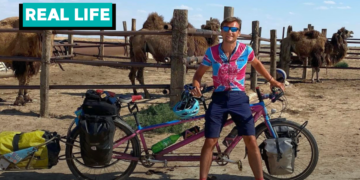
















For anyone in Reigate, Jo Willey is a familiar face. Known for her bright energy and steady commitment to fitness, Jo, 47, runs a busy personal training business, leads outdoor park sessions and somehow keeps a full social calendar.
Family sits at the centre of her world. Friends often tease her for never slowing down – and Jo agrees with a smile.
A life powered by movement
Fitness has always been more than a pastime.
For Jo, it has been part of who she is.
Gym sessions, outdoor circuits, runs with friends, even the odd tennis match have been her way to stay steady in body and mind. She calls fitness her “happy pill” because it keeps her grounded, lifts her mood and helps her stay positive.
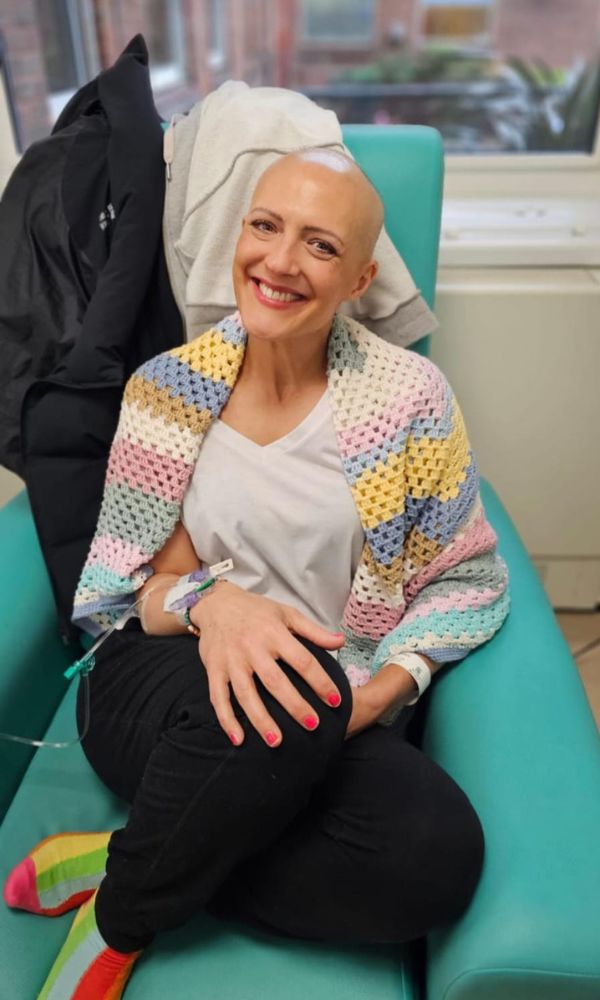
She calls fitness her “happy pill” because it keeps her grounded, lifts her mood and helps her stay positive.
It has carried her through some heavy chapters, including three failed IVF cycles, stressful work and the emotional strain of leaving an abusive marriage.
This year, movement took on new meaning. It became the thing that helped her face breast cancer.
Also Read: “You’re Still in There”: How Elizabeth Espin Used Fitness to Rebuild After Cancer
The day everything changed
Before her diagnosis in May 2025, Jo was training most days. She tested new drills for clients, did HIIT sessions, lifted weights and ran with her friends. Life felt strong.
Then she noticed a small lump. Friends reassured her it could be hormonal, but something inside her felt unsettled. She booked an appointment with her GP and was placed on the two week cancer pathway. An ultrasound raised concerns and a biopsy was done there and then. The wait for results felt endless.
When her surgeon confirmed breast cancer, Jo felt the ground shift beneath her.
“I cried,” she says. “I had the fears and the what ifs. For a moment I thought, maybe this is it. Then I snapped out of it. I decided I would fight.”
Making sense of the diagnosis
Jo’s cancer was grade three and HER2 positive, which meant an aggressive form. She would need six rounds of chemotherapy alongside the targeted therapy injection Phesgo for up to eighteen months, followed by surgery. The one piece of comfort was that it appeared contained and had not spread to the lymph nodes.
Soon after receiving the news, Jo went on holiday to Devon with her whole family. The timing allowed everyone to take it in together. She worked with her sisters to create a new business plan and launched an online fitness membership so clients could still access workouts while she began treatment. She filmed more than fifty videos before starting chemotherapy, which are still available to paying members of the public.
Even while away, she trained daily in the holiday park gym. It helped her feel prepared for what was coming.
In Devon, a call from her Macmillan nurse added another layer of uncertainty. Three extra areas looked concerning on her mammogram and she needed an MRI guided biopsy. Only one area could be reached and, thankfully, it was benign. The other two were inaccessible. Her surgeon advised a mastectomy. It was a hard decision but Jo trusted his judgement.
“I knew it was the right decision,” she says.
Ten days after the biopsy, she began chemotherapy.
Fighting through the hardest moments
The first round of chemotherapy hit hard.
Jo developed sepsis from the biopsy site and spent eight days in hospital. “I couldn’t talk or lift my head,” she recalls. “I looked grey. I had diarrhoea every two hours and some very dark thoughts. I call it my chemo depression.”
Her sister, friends and clients rallied around her and kept her steady.
The challenges kept coming. Round two was delayed as she recovered from the antibiotics used to treat sepsis, but complications then escalated with C. diff which meant another five days in hospital. Round three came with exhaustion, nausea and dizziness. Her workouts became tiny sessions – a short walk, a few lunges, some curls.
Still, she moved.
Round four was pushed back due to an ingrown toenail. Despite everything, Jo went back to the gym during her better weeks. “It really helped my mental health,” she says. “It made me feel more like myself again.”
Despite everything, Jo went back to the gym during her better weeks. “It really helped my mental health,” she says.
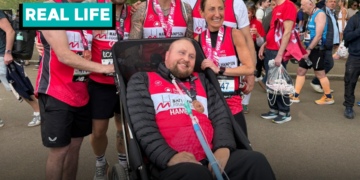
During a rare good patch after round two, she even completed a 5km run. It wiped her out for days but reminded her of her grit. She later signed up for the Run Reigate 10k after a chemotherapy delay and gathered a group of friends in pink wigs and tutus. Together they raised more than £4,000 for charity, far beyond what she expected.
Holding on to strength
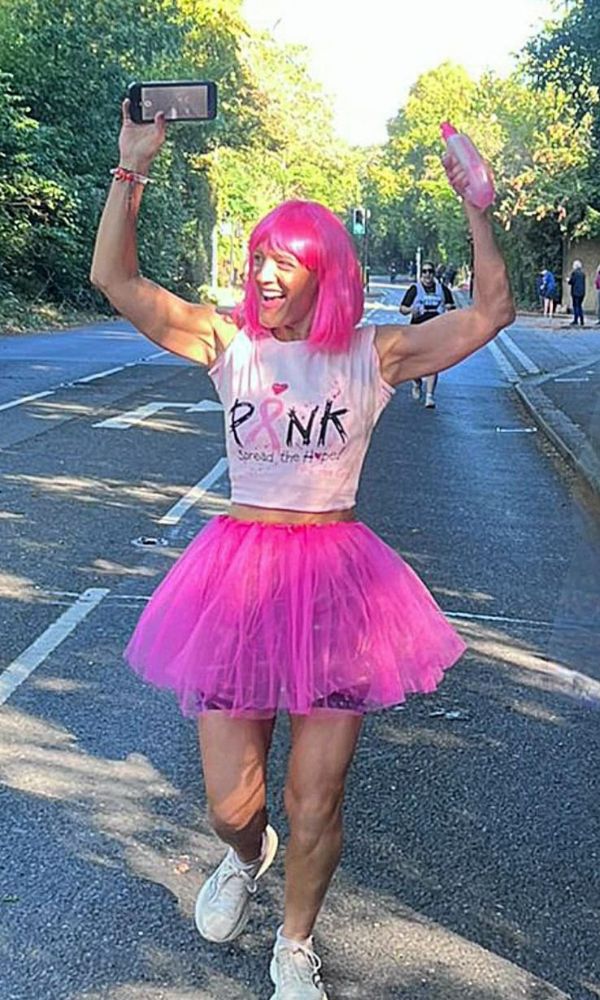
Throughout treatment Jo stayed committed to moving her body.
Walks with friends in the fresh air became a lifeline. They were hard on the days when fatigue hit, yet they lifted her spirits and gave her something normal to hold on to.
There was one day in the gym when she wondered what the point was. “I thought, I shouldn’t be here. I should rest. But I knew I had to keep turning up. I didn’t want to get to the end of treatment and feel weak.”
Strength became her foundation. “Being strong helped me bounce back from sepsis and C. diff,” she says. “It’s helping me cope with chemotherapy and it will help me through surgery and recovery.” She believes her pre-treatment strength made an enormous difference. Without it, getting through each cycle would have been far harder.
She still feels weaker than before but her determination is firm. “I want to come back stronger next year. I want to show others that you can get through this. Exercise is key to recovery.”
Why movement matters
Jo believes wholeheartedly in the power of movement, especially during illness.
“Exercise builds cardio fitness, strength and mental resilience,” she says. “When you’re facing something like cancer, staying active is essential. It’s an emotional roller coaster so mental health is just as important as physical health.”
“When you’re facing something like cancer, staying active is essential. It’s an emotional roller coaster so mental health is just as important as physical health.”
Time outside and gentle movement helped her stay steady through both.
She encourages people to avoid comparing themselves to others. “Do what your body can do, but don’t stop moving,” she says. “Exercise makes you stronger and that strength helps you recover faster.”
Advice from someone who has lived it
Jo keeps her guidance simple. “Walk with friends. Use light weights. Rest properly. Slow your days down.”
She also urges people to stay informed. “Every cancer is different and every treatment affects you differently. Ask questions and don’t be afraid to look for information.”
Most of all, she wants people to stay active for their physical and emotional wellbeing. “Exercise helps manage side effects, keeps you strong and supports your mind. Cancer is just a blip in your life. It won’t last forever and you will get through it. There is so much support out there.”
Through every dark moment, Jo has held on to one mantra:
Stay positive. You will get through this, it’s not forever. I will not give up. I will stay strong, stay active and keep doing the things I love.