




































There is a moment many women recognise. You bend to pick something up, maybe a dropped spoon, maybe your patience, and there is a tiny pause. A flicker of caution. Not fear exactly. Just awareness. Your body, once a background character, has stepped into the spotlight.
After menopause, bone loss speeds up. Oestrogen takes a graceful exit, and with it goes some of the protection your bones quietly relied on for decades. The result? Bones that need a little more persuasion to stay strong. The good news: your body still listens. It just prefers a different kind of conversation now. So what kind of movement actually talks back to your bones?
Lift something, tell your bones a story
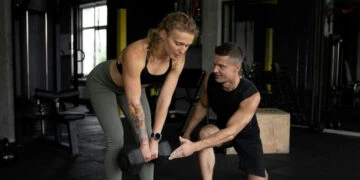
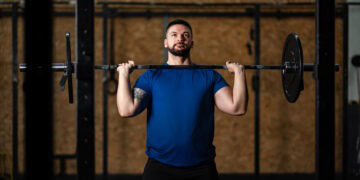
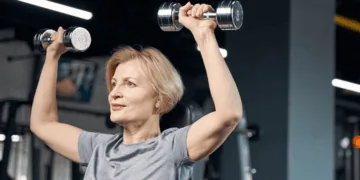
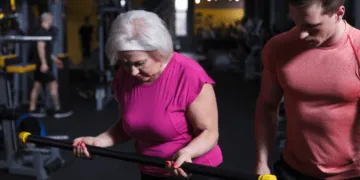
If bones could send you a text, they would send one message on repeat: “Load me.” Strength training is the closest thing to replying “noted”. When muscles pull against bone during resistance work, your body responds by reinforcing the skeleton. Think of it as internal building works, minus the complaints from the neighbours.
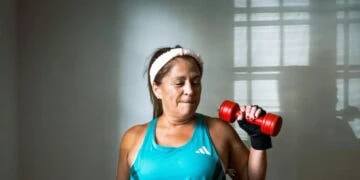
This does not mean you need to transform into a gym regular overnight. In fact, many women start at home. A pair of light dumbbells. Resistance bands looped around a chair leg. Even bodyweight moves like squats or wall push-ups count. What matters is the tension.
Strength training is one of the most reliable forms of bone density exercise because it directly challenges the skeleton. And no, you do not need perfect form on day one. You need consistency. Small, repeatable effort.
You need consistency. Small, repeatable effort.
If you are exploring exercise for the over 60s, this is your anchor. The steady drumbeat beneath everything else. But just a quick reality check: soreness may show up like an uninvited guest. That is normal. Sharp pain is not. Learn the difference, and your body becomes less of a mystery.
Exercise for the over 60s that fits into real life
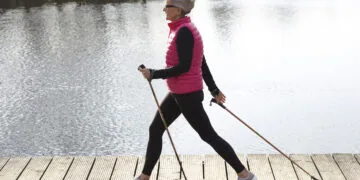
Weight-bearing exercises ask you to move while staying upright. Walking, stair climbing, dancing in your front room to a song you pretend you do not love anymore. These activities gently load the bones in your hips, legs, and spine.
Walking often gets dismissed as “too easy.” Yet, for many women, it is the gateway to consistent movement. And consistency is where the magic hides. Your daily rhythm, which includes your walk to the shops, your short stroll after tea, your extra lap around the block, all these moments add up, quietly strengthening your bones while also improving heart health and mood. That is the charm of over 60 exercise. It blends into life rather than interrupting it.
For those who want to step things up, small tweaks go a long way. Walk a little faster. Take the stairs instead of the lift. Add short bursts of uphill walking. These gentle challenges nudge your bones to adapt.
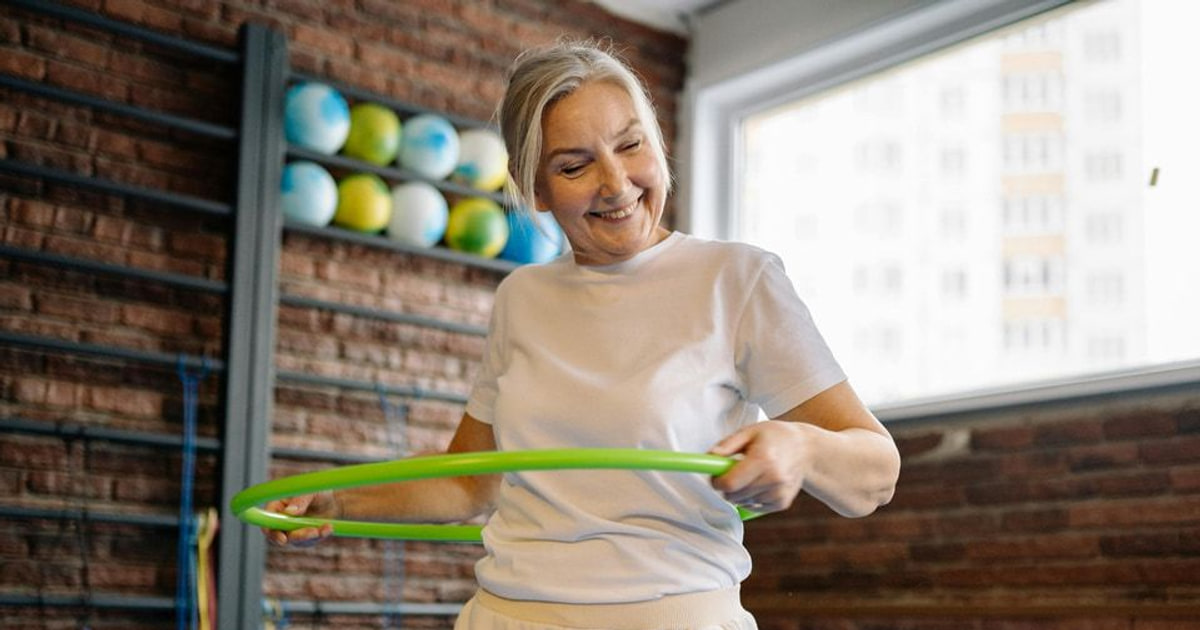
And here is a fun twist: dancing counts. Yes, even your “I am just moving around the kitchen” dance. Your bones do not care about choreography. They care about load and movement.
In the world of menopause fitness, this kind of exercise builds a bridge between structured workouts and everyday life. It keeps you moving without turning your schedule into a jigsaw.
Also read: Helping Others Could Be the Secret to a Sharp Brain as You Age
Stay on your feet, stay out of trouble
Bone strength matters, but so does staying on your feet. Balance training and light impact exercises work together like a quiet alarm system, reducing the risk of fractures before they even become a possibility.
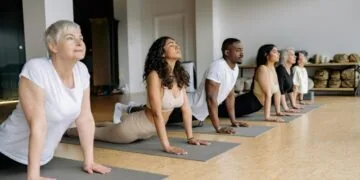
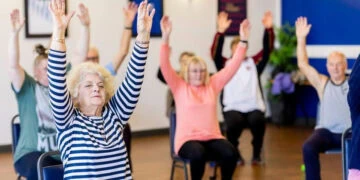
Balance exercises can be deceptively simple. Standing on one leg while brushing your teeth. Walking heel-to-toe across the room. Practising gentle yoga poses that challenge stability. These movements train your body to react quickly, like a built-in reflex upgrade.
Now, about impact. This is where things get interesting. Low-impact activities like walking are great, but adding small bursts of higher impact, when safe, can stimulate bone growth more effectively. Think gentle hopping, step aerobics, or even brisk marching on the spot. The key word is controlled.
Of course, not everyone should jump right in. Joint issues, past injuries, or balance concerns may require a slower approach. This is where guidance from a professional can make all the difference.
When people search for the best exercises for menopause, they often expect something complicated. A secret routine. A hidden trick. The truth feels almost anticlimactic. It is about layering different types of movement so your body stays adaptable. And adaptability is the real goal.
It is about layering different types of movement so your body stays adaptable.
Bone density exercise thrives on variety. Strength training builds the foundation. Weight-bearing movement keeps it active. Balance and impact work protect and refine it. Together, they form a system.
Another mention worth making: the best exercises for menopause are the ones you will actually do next week. And the week after that. Motivation fades. Habits stick. As you shape your own menopause fitness routine, think less about perfection and more about rhythm. What fits into your mornings? What feels doable on a weary day? What makes you feel just a little stronger than yesterday?
Your body is still listening. Still adapting. Still capable of surprising you. And here is the part no one says enough: strength after 60 carries a different kind of beauty. It focuses more on building resilience. The sort that lets you move through your day with confidence, pick things up without hesitation, and maybe, just maybe, dance in the kitchen without thinking twice.
This content is for general information only and not a substitute for professional advice. Please check with a healthcare provider before making changes to your fitness or diet.