














































With real confidence, you tell yourself this is the year. New habits. A new mindset. Perhaps even a whole new personality, if January pulls through. But a few weeks later, reality gives you a nudge. The trainers are still parked by the door. That ambitious plan has migrated to the notes app. The old you, it turns out, never really left after all.
Sound familiar? You’re not on your own. Most of us struggle to keep New Year’s resolutions. It’s not a willpower issue. It’s a classic January pitfall. We aim for the stars, try to do everything at once, and pile new routines on already crammed schedules – no wonder burnout shows up bang on time.
We sign up for routines and memberships that look the part on paper but lose steam against real mornings, long commutes, and knackered evenings.
Also Read: The Fear, The Guilt And The Story We Tell Ourselves When We Quit a Goal
So, what actually works once January loses its sparkle? Let’s see why consistency outshines kit, how the science favours simpler approaches, and which everyday habits help people carry on when motivation slips.
Why sticking at it always trumps fancy gear
Exercise psychology has been saying the same thing for donkey’s years: long-term change happens when you show up regularly, feel backed, and genuinely want to be there. Not because of flashy equipment or steep price tags. In practice, wellness on a budget isn’t second best. It’s the version still standing after the novelty’s worn off and that first direct debit has lost its shine.
In practice, wellness on a budget isn’t second best. It’s the version still standing after the novelty’s worn off and that first direct debit has lost its shine.
Think of how stress is already handled up and down the UK. A stroll through a park, by the canal, or just around the block does far more than clear your head. Gentle movement helps dial down stress and lets your nervous system breathe. No posh trainers needed. No fitness tracker buzzing like a sulking Tamagotchi. Just you, on the move, ideally somewhere green, letting your mind wander without giving yourself a hard time.
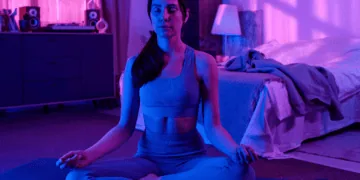
Breathing deeply and short meditation sessions work just as well. Five minutes does the job, no matter what social media says. No need for silence retreats or an hour of chanting. A few slow breaths while the kettle boils definitely counts. Your brain is reassured the world’s not burning down.
The science of doing little and often
These days, looking after your mind is finally recognised as part and parcel of health, not just a nice add-on. A major study published in The Lancet Psychiatry, using data from over 1.2 million adults, found that regular physical activity was strongly linked to better mental health, including boosted mood and less stress.
What’s comforting is what didn’t matter. The benefits weren’t down to effort level, performance, or cost. Skipping a day didn’t reset your progress either. Resilience, it turns out, grows through repetition, not perfection. Think more along the lines of “turning up most days and giving yourself credit for that,” instead of a film montage.
Resilience, it turns out, grows through repetition, not perfection.
That shift explains why simple mind-body practices keep catching on. Guided recovery, sleep routines, and mindfulness sessions are right there through free apps, websites, and even NHS-recommended resources. Some live sessions attract thousands of people at once – it’s strangely reassuring. Even if you’re on the sofa in joggers, you’re not on your own with it.
What actually keeps us going
Exercising at home suits real British life, especially when the weather’s being difficult. Stretching, a bit of gentle yoga, or a dance round the kitchen loosens you up, cheers you up, and quietly keeps long-term health and longevity ticking over in ways those Instagram routines rarely do. A tune helps. A favourite song will do more for motivation than most wellness gear ever could. Podcasts get you moving as well, especially when the telly and sofa are calling.
A tune helps. A favourite song will do more for motivation than most wellness gear ever could.
Community matters more than most of us like to admit. PTPioneer’s 2025 US gym data shows participation dropping from roughly 63% in January to about 33% by June, even though sign-ups are sky-high at the start. But that doesn’t mean you have to fork out for swanky studios or expensive memberships.
Walking groups, Parkrun events – now pulling in hundreds of thousands each week across the UK – and casual catch-ups offer the same support without the invoice or a flashy water bottle.
Spending habits fill in the rest of the story. Gym attendance climbs every January, then tanks by the summer regardless of all that New Year enthusiasm. Much of the industry still trades on guilt, instead of sensible planning. The lesson? It’s so straightforward it’s almost dull – and that’s a good thing: invest in habits you’re already doing, then build up bit by bit. Solid routines beat impulse buys, any day.
Feeling better by doing less
Exercise isn’t the full story. Staying connected matters just as much. A phone call with a mate, family time, or a quiet evening with the dog or cat helps balance your mood and day-to-day stress management with no planning or monthly fees. Tidying one little corner can restore some control. Books or creative hobbies help you escape without any delivery charges.
A phone call with a mate, family time, or a quiet evening with the dog or cat helps balance your mood and day-to-day stress management with no planning or monthly fees.
Rest deserves its due as well. Sleep, power naps, a warm shower, and wind-down routines all help calm your nerves. Coming off social media before bed really does boost focus, patience, and mood for the day ahead – maybe the most underrated wellness habit going.
If self-care’s not cutting it, things like NHS talking therapies and local counselling services are there for a reason. Put all this together and the quiet truth stands out. mental fitness doesn’t come from spending loads or trying to do everything at once. It comes from doing less, more often, and sticking to habits that fit real life – not just what the adverts promise.