



























































So, you want more stamina. Maybe you’ve got a half-marathon circled on your calendar. Maybe your weekend pick-up basketball games are leaving you gasping for air like a Victorian character with “the vapours.” Or maybe you just want to climb a few flights of stairs without feeling like you’ve auditioned for a medical drama.
Good news: stamina isn’t some mystical trait bestowed on Olympians by the gods of cardio. It’s a skill – one you can build with the right mix of training, mindset and, yes, a bit of grit.
But first, let’s clear up a little confusion. People often toss around “stamina” and “endurance” like they’re interchangeable. Technically, endurance is your body’s physical ability to sustain effort over time (think VO2 max, lactate threshold, all the nerdy lab kit). Stamina, on the other hand, is endurance plus the mental toughness not to quit when Netflix is calling. See the difference? One’s measured with science, the other with sheer willpower.
The science-y stuff (But fun, promise)
Before we dive into workouts, let’s break down the key concepts that make stamina tick.
VO2 max: The oxygen lottery – VO2 max is basically your body’s oxygen budget. The higher it is, the more “fuel” your muscles get to keep going. It’s why the same hill feels like Everest to one person and like a speed bump to another. Want to boost it? Intervals and high-intensity workouts are your best mates.
Lactate threshold: The point of no return – Ever hit that wall where your legs feel like lead? That’s lactate building up faster than your body can clear it. Raising your lactate threshold means you can push harder for longer before that dreaded “nope” moment. Elite athletes swear by it, and you can train it too with tempo runs and intervals.
Recovery: The secret sauce – Here’s the plot twist: endurance isn’t just about going hard. It’s also about knowing when to back off. Active recovery (think light cycling or stretching) and real rest days are non-negotiable. Remember: superheroes recover too. Even Iron Man needs to recharge, preferably with snacks.
The best activities to build stamina
So what actually works? Spoiler: it’s not just running laps until you hate life. Variety is the secret ingredient. Let’s mix it up.
Running: The OG of endurance – Running gets top billing because it builds aerobic capacity, strengthens your heart, and teaches your brain to deal with fatigue. Long, steady runs improve efficiency, while intervals and hill sprints crank up your VO2 max. And yes, science agrees: sprint intervals lead to big gains in “time to exhaustion” (aka how long before you collapse dramatically). Even a couple of short weekly runs can nudge your stamina needle upward.
Cycling and swimming: Endurance, minus the joint drama – Want stamina without pounding your knees into dust? Cycling is your low-impact ticket to stronger lungs and legs. Swimming takes it even further, working your upper and lower body while being kind to your joints. Bonus: aqua jogging exists. Yes, it looks like running in invisible quicksand, but it’s gold for recovery and stamina. And let’s be real – who doesn’t secretly enjoy the smug feeling of outlasting everyone else in the pool?
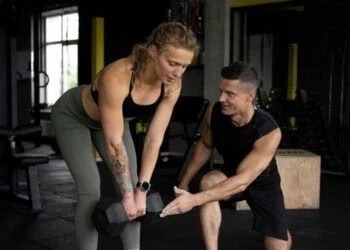
Strength and plyometrics: Power up the engine – Endurance isn’t just about cardio. Strength work and plyos, like squats, burpees or jumps, make your muscles more efficient. Studies show plyos boost running economy, while heavy lifting helps athletes push harder. Bonus: you’ll also crush those shopping bags in one trip.
How to train smarter (Not just harder)
Building stamina isn’t about doing more, more, more – it’s about mixing the right ingredients.
Interval training: Short pain, big gain
Think sprinting for a minute, walking for another, repeat. These bursts improve VO2 max fast and can be tailored to your level. They’re brutal but effective, like espresso shots for your lungs. If you hate long workouts, intervals are your loophole – they pack endurance benefits into shorter sessions.
Cross-training: Keep it fresh
Rowing, hiking, rucking (that’s walking with a weighted rucksack) – all fantastic ways to shake things up. Cross-training works new muscles, prevents injuries and stops boredom from sending you into an exercise breakup. Plus, who doesn’t like telling their mates, “Yeah, I was just rucking today”? Sounds way tougher than “went for a stroll.”
Fuel & hydration: The unsung heroes
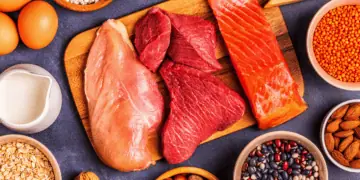
Endurance isn’t just built in the gym; it’s built in the kitchen too. Carbs keep your energy tanks full (hello, sweet potatoes). Protein repairs muscles post-workout. Electrolytes prevent cramping, while fats and antioxidants keep inflammation at bay. And water? Let’s just say dehydration is the ultimate performance saboteur. Think of nutrition and hydration as the backing band—when they’re off, the whole show flops.
Stamina is really about resilience, in your body and in your head. It’s lacing up when the sofa calls and pushing through one more round when your legs beg to quit. Each workout adds a brick to your endurance wall. Run, swim, cycle, burpee – whatever it is, you’re training both body and mind to go the distance. And the perks show up fast: fewer gasps on the stairs, more daily energy and that sweet satisfaction of beating your past self.
So next time you’re winded after a flight of stairs, just grin and think “Work in progress.” Because stamina is exactly that – built one sweaty, stubborn step at a time.