










































Anxiety can show up at the most inconvenient moments, mid-meeting, in traffic, or even while scrolling through your phone. Yoga offers a simple, practical way to ease that tension. You don’t need a full hour or fancy kit; just a few minutes of mindful movement and breathing can help you feel calmer and more in control.
Yoga for anxiety isn’t about twisting yourself into impossible shapes. It’s about giving your body and mind a gentle nudge to relax, helping you reset when stress starts creeping in. Even short, consistent sessions can improve focus, reduce muscle tension and create a sense of mental balance that lasts throughout the day.
It’s about giving your body and mind a gentle nudge to relax, helping you reset when stress starts creeping in.
Yoga for anxiety: Finding calm in every breath
When anxiety strikes, your body reacts first – tense shoulders, a racing heart, shallow breathing. Yoga works with these responses rather than against them. Gentle stretches and deep breathing help your nervous system shift from “fight or flight” to a more relaxed state, easing both physical and mental stress.

Research backs yoga’s calming reputation. Studies suggest that a regular practice can help dial down cortisol, improve sleep and even ease symptoms of generalised anxiety disorder. In other words, it’s not just about leaving class feeling pleasantly zen – it’s about quietly building a longer fuse for whatever life decides to throw at you.
Simple movements that release tension
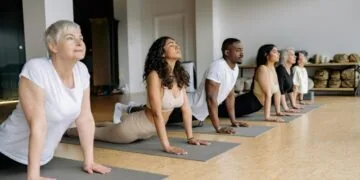
You don’t need complicated poses to benefit. Gentle stretches like cat-cow, seated forward folds and shoulder rolls can release tension that builds up in the back, hips and neck. These areas often tighten when anxiety lingers, so loosening them can make a noticeable difference.
Even brief sessions allow your muscles to relax, your posture to improve and your movements to feel lighter. Over time, this creates a sense of ease in your body, reducing the physical impact of stress before it escalates.
Breathing as your secret weapon
Yoga isn’t just about moving – it’s about how you move and breathe. Deep, steady breaths signal your brain to calm down. Try inhaling for four counts, holding for two and exhaling for six. Simple patterns like this can slow your heart rate, clear mental clutter and create a moment of focus whenever anxiety crops up.
These breathing techniques can also be used off the mat, during a stressful call, before an important presentation, or even while queuing. Over time, your body begins to recognise these cues as a signal to relax, helping you manage stress more effectively.
Fitting yoga into everyday life
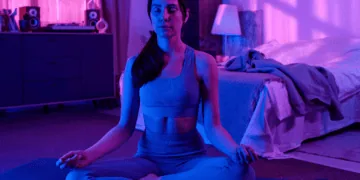
One of the best things about yoga for anxiety is how refreshingly flexible it is. No need for a perfectly curated schedule or a dedicated studio corner with incense you never quite remember to light. Five minutes before bed, a quick stretch between tea refills, or a couple of calming poses in the morning all count – and all quietly help more than you’d think.
Consistency is key. Even short, daily practices help train your mind to respond calmly under pressure. The goal isn’t perfection – it’s building a reliable routine that supports both your mental and physical wellbeing. Over time, these small moments of calm add up, reducing the overall intensity of anxiety.
Even short, daily practices help train your mind to respond calmly under pressure.

Taking the first step
Getting started is easier than it seems. Pick a few poses you like, pair them with slow, intentional breaths and practise regularly. Child’s pose, legs-up-the-wall, or a simple seated twist can be enough to create a sense of ease. Remember, yoga for anxiety isn’t about achieving the perfect form – it’s about creating space for calm in your day.
With regular practice, you start to notice the quieter shifts: your body feels a bit looser, your mind a touch steadier and stressful moments slightly less like a full-scale event. Even a few minutes a day can turn yoga into a rather dependable tool for keeping anxiety in check – helping you meet life’s ups and downs with a bit more composure and just enough less tension to notice the difference.