


























































Modern life is a swirling vortex of emails, existential dread, and trying to remember your Netflix password. But don’t fret! The answer to your mental unravelling might be as simple as a brisk walk, a contorted yoga pose, or aggressively punching the air in a group boxing class.
Yes, welcome to the community of movement-based sanity maintenance
If you’ve ever tried to outpace your anxiety on a treadmill, you’re not alone. Turns out, flailing your limbs around (strategically) has more benefits than just impressing strangers at the gym.
Science behind sweating out sadness
Let’s talk brain chemistry, the stuff you ignored in secondary school but now Google frantically at 2 a.m.
When you exercise, your brain releases endorphins and serotonin, which are essentially your body’s in-house feel-good pharmaceuticals. Add increased blood flow to the noggin and you’ve got better memory, sharper focus, and the ability to actually remember your online banking password.
Also Read: Brisk Walks, Big Gains: Why Japanese Interval Walking Works

Movement: Therapy that’s 100% free
Even the most unathletic among us can benefit. Walking – yes, the ancient art of putting one foot in front of the other – can reduce anxiety and depression. Especially if done in nature. That’s right, forests aren’t just for Instagram backdrops or suspiciously attractive hikers. They help calm your nervous system, unless you get chased by a goose. Then all bets are off.
You don’t need pricey kit, a personal trainer, or a motivational water bottle that shouts “Crush It!” like an over-keen intern. Just 20 to 30 minutes of walking a day can work wonders for your mental clarity and may even stave off memory loss, though you’ll still forget why you walked into the kitchen.
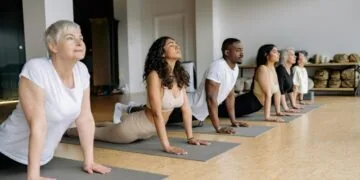
Yoga: Breathe deep, stretch far, look fabulous
Yoga is like that mate who insists they’re “chilled” but has alarmingly strong opinions about kombucha. Still, there’s something to be said for a practice that’s been around for thousands of years and now comes in flavours like “Hot Vinyasa Flow”.
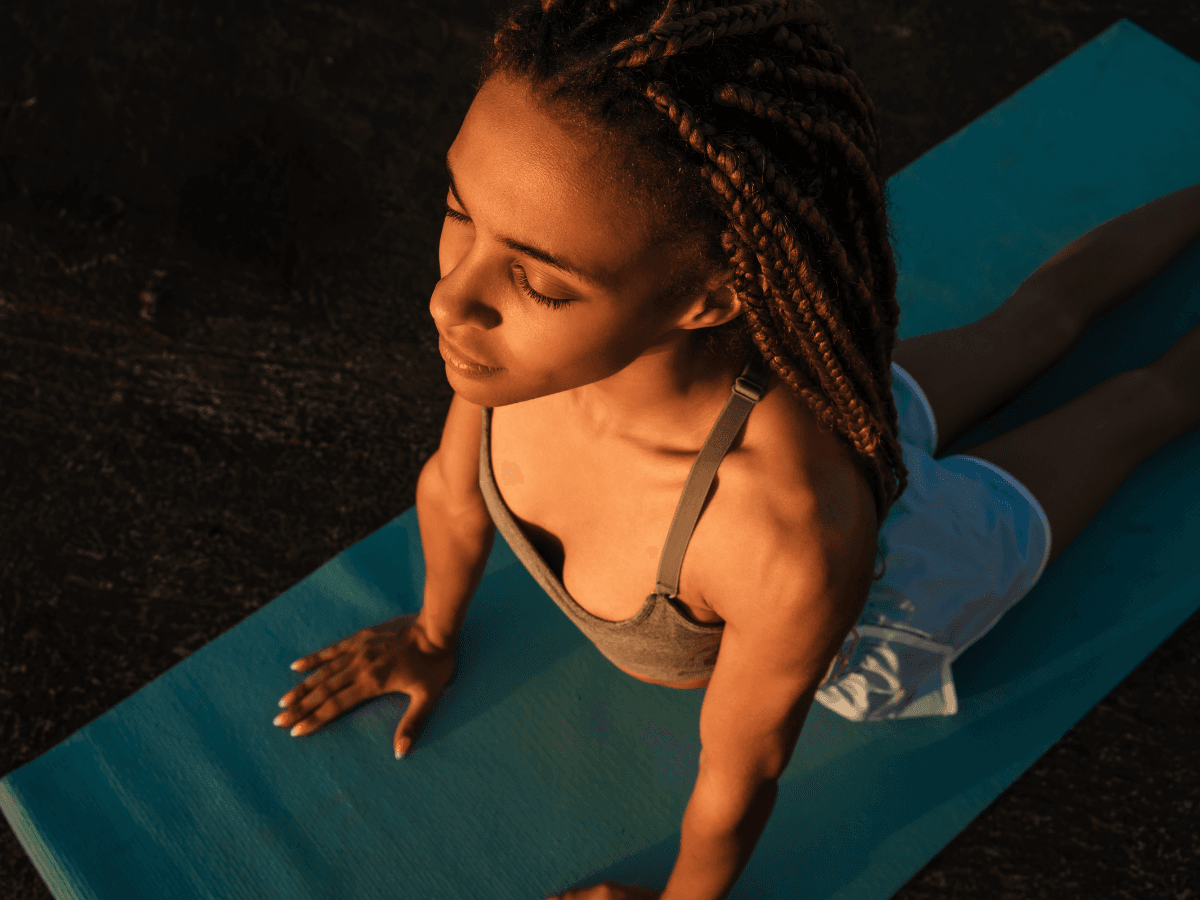
It isn’t just stretching in designer tights while pretending not to clock your neighbour’s pose. It’s a magical combo of breathing, movement, and resisting the urge to nod off in savasana. And bonus, it reduces cortisol (the stress hormone) and forces you to be present, which is great unless you’re currently in traffic or the dentist’s chair.
Styles of yoga range from Hatha (slow, gentle, contemplative) to Ashtanga (sweaty, precise, secretly brutal). There’s even chair yoga for folk who prefer their warrior pose with lumbar support. Practitioners often report better sleep, improved moods, and increased flexibility, which is handy both in body and when trying to schedule brunch with six people.
From resistance bands to roundhouse kicks
Alright, maybe gentle stretching isn’t your thing. Maybe you prefer your serotonin spiked with sweat and a touch of combat. Enter: resistance training and martial arts, the domain of people who wear gym gloves unironically.
Pumping iron for peace of mind – Lifting weights doesn’t just help you look good in a vest; it also builds resilience. Scientifically speaking, resistance training lowers depression and anxiety, boosts cognitive function, and lets you grunt loudly in public with no social repercussions.
It’s also a cracking way to feel in control when life is spinning faster than a toddler on Red Bull. Building physical strength can reinforce emotional toughness, because if you can dead-lift your own body weight, you can probably handle another awkward family dinner.
Martial arts and mental focus: Boxing and martial arts are perfect for people who want to process their emotions via uppercut. Beyond punching and kicking, these practices offer discipline, structure, and a sense of belonging you haven’t felt since your secondary-school dodge-ball team.
They require focus, presence, and the ability to resist yelling “HIYAA!” at inappropriate moments. Plus, group classes foster community – because nothing bonds people like mutually sweating through drills while side-eyeing the instructor’s six-pack.

Strong body, supported mind
Here’s the twist: as magical as movement is, it’s not a miracle cure. If you’re battling chronic anxiety, depression, or other deep-seated woes, it’s perfectly fine to phone a professional instead of simply upping your squat game.
Modern mental-health support has evolved. You can now get therapy without even putting on trousers, thanks to telehealth apps. Support groups and actual human counsellors can all work in tandem with your workout routine to keep you from becoming a mess in yoga leggings.
Ultimately, your mental-wellness routine doesn’t need to look like a Pinterest board. Whether you’re downward-dogging in a park, speed-walking through your neighbourhood with suspicious intensity, or lifting weights like your ex’s name is engraved on the barbell, it all counts.
Just remember, progress isn’t measured by perfect poses or max reps. It’s about showing up – ideally in comfy shoes – and moving your body because your brain could do with a little break.
So go on. Walk, lift, stretch, kick, or flail gracefully. Your mind (and maybe your mirror) will thank you.