











































Dancing isn’t just a party trick or wedding floor filler, it’s a surprisingly effective way to boost your physical, mental and emotional health.
Styles like salsa, tango and waltz offer more than rhythm and fun, they provide a full-body workout, a mental challenge and even a mood lift. Whether done in a class, at home, or even in a small group, dance can be adapted to almost any fitness level and ability.
Research shows that regular dancing supports cognitive function, balance, heart health and emotional well-being, making it a well-rounded activity that appeals to both beginners and seasoned movers.
Brain benefits: Keeping your mind sharp
Learning dance steps is like giving your brain a puzzle to solve while moving. Every twist, turn and step requires attention, coordination and memorisation, which stimulates the brain’s hippocampus, the area involved in memory and learning.
Studies have found that older people who dance regularly have a lower risk of cognitive decline, including dementia, compared with peers who stick to repetitive exercises like walking or cycling. A 21-year study conducted by the Albert Einstein College of Medicine showed that older adults who participated in dance had a 76 per cent lower risk of developing dementia.
Studies have found that older people who dance regularly have a lower risk of cognitive decline, including dementia, compared with peers who stick to repetitive exercises like walking or cycling.
Dancing isn’t just about remembering steps; it demands split-second decisions, like adjusting to a partner’s move or following changing choreography. This combination of cognitive challenges and physical activity encourages the creation of new neural pathways, keeping the brain active and engaged. Even casual home dancing can improve attention and flexibility in thinking, offering benefits similar to brain training exercises, but far more fun.
Also read: Feeling Older Than You Should? Your Habits and Mindset Might be The Reason
Physical strength, balance, and mobility
Each step and sway engages your whole body, working muscles that often get overlooked in daily activities. These movements help improve posture, stability and flexibility, making everyday tasks feel easier and more controlled. Over time, this gentle challenge builds strength and balance without feeling like a traditional workout.
Strength and core stability: Dance works the core, upper body and lower body simultaneously, providing a full-body workout without heavy equipment. A study in the Journal of Gerontology found that older adults participating in salsa classes experienced significant improvements in both strength and balance.
Moves can be adjusted for seated or standing positions, making them safe for people with limited mobility. Over 90 per cent of participants completed the eight-week programme, proving that dancing is both engaging and accessible.
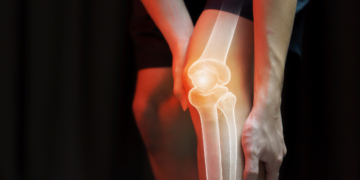
Reducing pain and improving movement: Low-impact dance can also help reduce joint pain and stiffness. A 12-week programme at Saint Louis University involving participants with an average age of 80 showed that dancing reduced the need for pain medication by nearly 40 per cent.
Participants reported being able to move more freely, enhancing daily independence. Even small improvements, like walking slightly faster or standing from a chair with more ease, can significantly impact quality of life.
Heart, mood, and social connection
Cardiovascular health: Salsa and other rhythm-based dances are excellent for the heart. They raise the heart rate, improve lung capacity and offer cardiovascular benefits comparable to cycling, walking, or other traditional aerobic exercises.
Research published in Circulation found that older adults with stable chronic heart failure who learned to waltz achieved similar improvements in aerobic capacity and breathing as those following standard exercise routines. Regular dance can also help lower blood pressure, maintain a healthy weight, and improve circulation.
Regular dance can also help lower blood pressure, maintain a healthy weight, and improve circulation.
Emotional and social benefits: Dancing to music releases endorphins, reduces stress and can improve sleep quality. In an Australian study, older people participating in a tango programme reported lower levels of depression, anxiety and insomnia.
Dance classes and social sessions foster connection and community, offering an emotional boost alongside physical benefits. Even solo dancing at home can stimulate happy memories, provide a sense of achievement and give a lift to your overall mood.
Getting started and staying motivated
You don’t need a partner, a studio, or professional shoes to enjoy the benefits of dance. Start with low-impact movements, seated or standing and gradually add steps as your confidence grows.
Latin-inspired music can make it more engaging, but any rhythmic tune works. Focus on fun rather than precision—the goal is movement, enjoyment, and consistency.
A daily or semi-weekly routine of just 15–20 minutes can provide noticeable benefits. Make it part of your day by dancing whilst preparing meals, tidying up, or during a short break. Even watching dance videos and copying movements can help improve coordination and mood.
Make it part of your day by dancing whilst preparing meals, tidying up, or during a short break.
The full-body benefits of dance
Dancing combines mental stimulation, physical exercise and emotional support into a single activity that is both enjoyable and effective. The benefits are well-documented: improved memory and cognitive function, stronger muscles and better balance, lower joint pain, enhanced heart health and a boost in mood and social connection.
Beyond the science, dance brings confidence, creativity and a surprising amount of joy – proof that moving your body to music isn’t just exercise, it’s basically a socially acceptable way of having a great time.
Whether it’s salsa, waltz or an unplanned living-room freestyle you’d never admit to in public, every step is still a step towards a healthier, happier, slightly more unbothered you.