


















































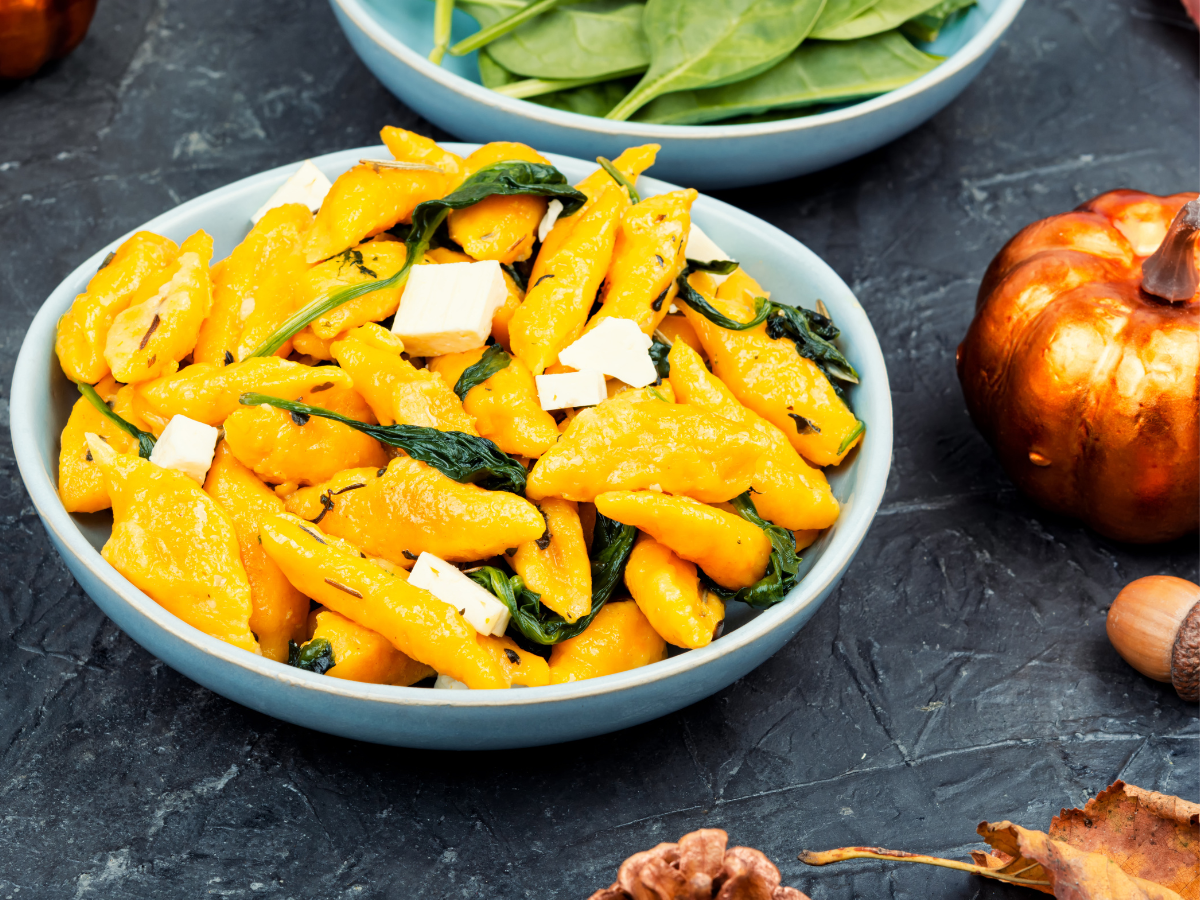
When cooler weather rolls around, many of us start craving meals that feel warm, comforting and satisfying. Pumpkin happens to check all those boxes. More than a seasonal favourite, pumpkin adds richness and flavour to simple pasta dishes.
Today, we’ll look at why pumpkin deserves a place in your kitchen, explore some of its health benefits and show you how to turn it into a delicious pasta meal without spending your entire evening cooking. No pumpkin workout required, although carrying a giant pumpkin home from the supermarket might count as arm day.
Why pumpkin is worth adding to your meals
Pumpkin earns a place in British kitchens for reasons beyond its autumn appeal. Fresh pumpkins become widely available in supermarkets, farm shops and greengrocers during the colder months, while butternut squash offers a convenient alternative throughout the year.
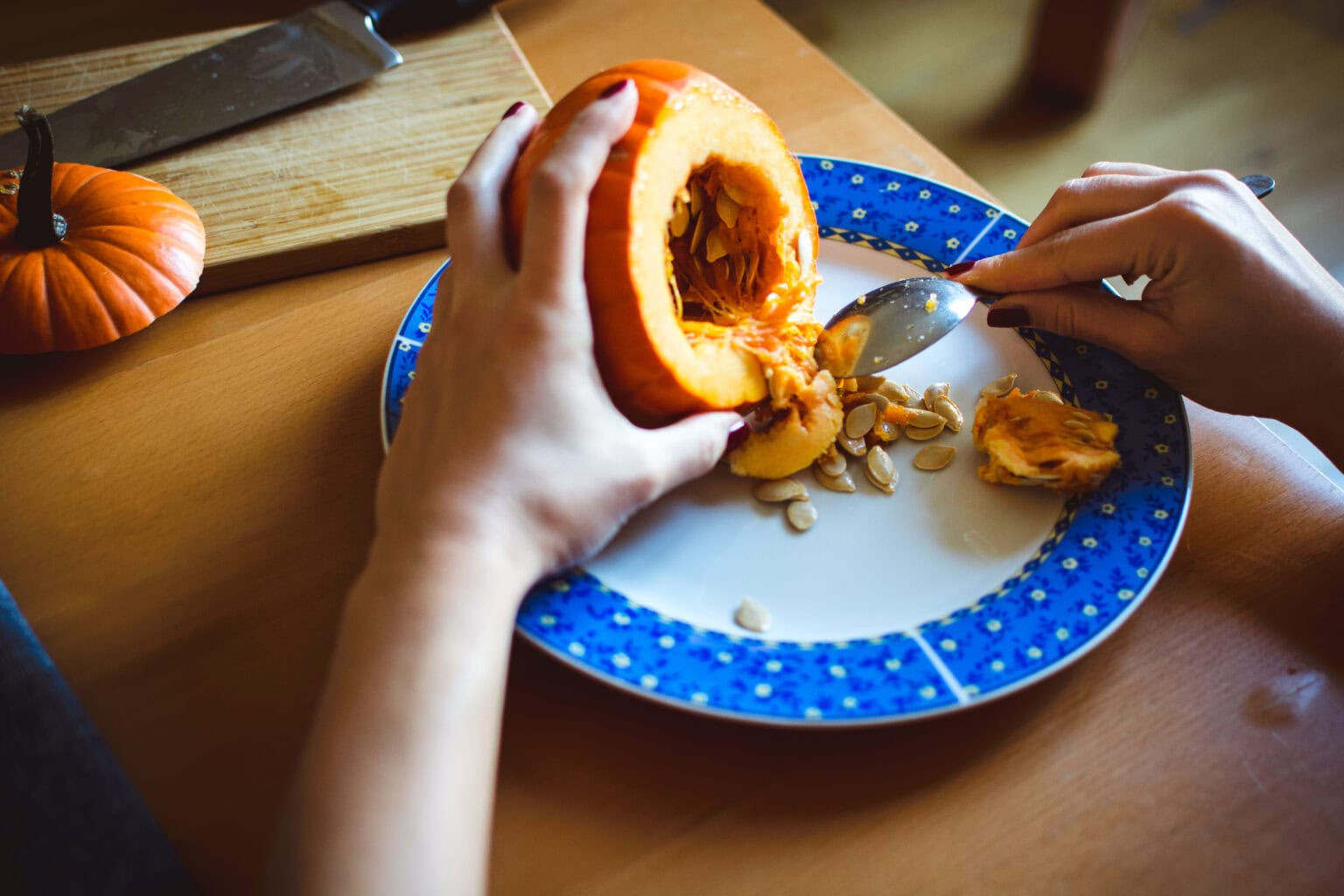
Preparing pumpkin can be surprisingly straightforward. Fresh pumpkin can be roasted, mashed, blended into soups, or stirred into pasta sauces. Even the seeds can be roasted with a little seasoning for a crunchy snack.
Another advantage is its versatility. Pumpkin works just as well in sweet treats such as muffins, pancakes, and cakes as it does in savoury favourites like soups, curries, risottos, and pasta bakes. Busy home cooks may also appreciate how practical pumpkin can be. Roasted pumpkin keeps well in the fridge, homemade puree can be frozen for later use, and many pumpkin-based dishes taste just as good the next day.
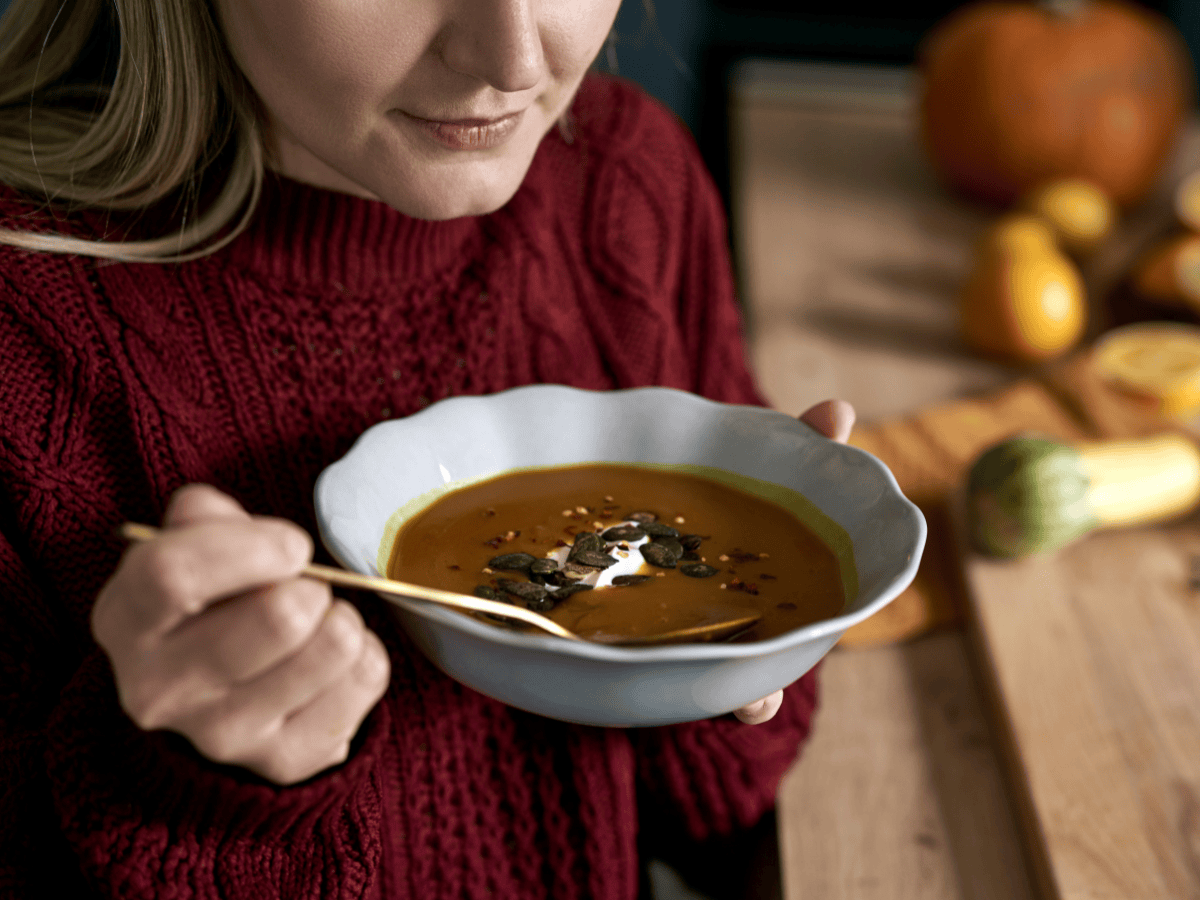
Health benefits of pumpkin
Supports immune health: Pumpkin is rich in vitamin A and vitamin C, two nutrients that play important roles in the body’s natural defence system. Vitamin A helps maintain healthy immune function, while vitamin C contributes to white blood cell production and wound healing.
May help protect eyesight: The vegetable contains lutein, zeaxanthin and beta-carotene, compounds that have been associated with maintaining healthy vision. Research suggests these nutrients may help lower the risk of age-related eye conditions such as cataracts and macular degeneration.
Provides antioxidant protection: Pumpkin contains antioxidants including beta-carotene, alpha-carotene, lutein and zeaxanthin. These compounds help protect cells from damage caused by free radicals, which are unstable molecules linked to ageing and certain chronic diseases.
Can support weight management: With only about 49 calories per cooked cup and a water content of roughly 94%, pumpkin is a filling ingredient that can help add volume to meals without significantly increasing calorie intake.
Contributes to heart health: Potassium, fibre and antioxidants found in pumpkin may help support healthy blood pressure and cholesterol levels, both of which are important for cardiovascular wellness.
Promotes healthy skin: Vitamin C helps the body produce collagen, while carotenoids may help protect skin from environmental stress and everyday exposure to ultraviolet rays.
Two delicious ways to enjoy pumpkin pasta
Pumpkin pairs surprisingly well with pasta. Its natural sweetness adds richness and creates a creamy texture that works beautifully in comforting autumn meals.
One popular option is macaroni cheese with pumpkin. Pumpkin puree is blended into a cheese sauce made with butter, flour, milk, mature Cheddar, Dijon mustard, black pepper and a touch of nutmeg. The result is a velvety sauce that feels richer than traditional macaroni cheese without overwhelming its classic flavour. Many cooks finish the dish with an extra layer of Cheddar before baking until golden and bubbly.
Another variation uses roasted pumpkin or butternut squash. The pumpkin is cooked until tender, then combined with onion, garlic, and rosemary before cream is added to create a smooth sauce. A portion of the pumpkin is lightly mashed to give the dish a rustic texture.
Parmesan or feta-style cheese and toasted walnuts make popular finishing touches. Together, they add extra flavour and a pleasant crunch that complements the creamy sauce.
1. What to serve alongside pumpkin pasta
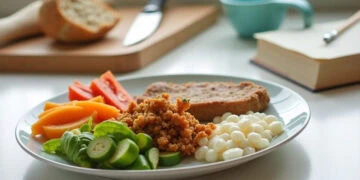
Fresh side dishes can help balance the richness of pumpkin pasta. A crisp green salad, roast green beans, Brussels sprouts, kale salad or simple steamed vegetables all pair well with the creamy flavours. Garlic bread or focaccia can also make a welcome addition if you’re looking for something a little more indulgent.
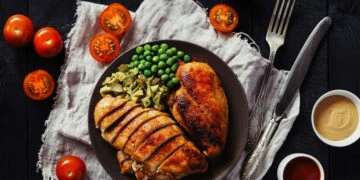
When serving pumpkin pasta as part of a larger meal, it works beautifully alongside roast chicken, turkey breast, pork chops, sausages or other roasted meats. Those heartier options can turn a simple pasta dish into a satisfying dinner that’s ideal for cooler evenings.
2. Quick pumpkin pasta for busy weekday evenings
Short on time? Here’s a simplified version that comes together quickly:
- Cook your favourite pasta according to pack instructions.
- Warm 1 cup of pumpkin puree in a saucepan.
- Stir in 1 cup milk or cream.
- Add 1 cup grated Cheddar cheese.
- Season with salt, pepper, and a pinch of nutmeg.
- Mix until smooth and creamy.
- Toss with cooked pasta.
- Top with extra cheese or toasted walnuts before serving.
Within minutes, you’ll have a cosy meal that delivers comfort, flavour and plenty of pumpkin-powered nutrition. That sounds a lot better than turning your pumpkin into a dumbbell.
Not just for carving
Pumpkin can make everyday dinners feel a little more special without requiring complicated techniques or hard-to-find ingredients. Whether you prefer a cheesy pasta bake or a creamy roasted pumpkin sauce, these recipes are easy to adapt using ingredients you already have at home.