





























































Gym-goers have long been divided over what really belongs in a shaker bottle. On one side, there are the all-natural enthusiasts, blending up their kale smoothies with admirable dedication. On the other, the pre-workout crowd shakes neon-pink powders with enough enthusiasm to make you wonder if they’re mixing a drink or laying foundations.
It begs the question: are we better off grazing like intellectual sheep on expensive berries, or is the secret to peak physical fitness hidden inside a plastic tub of protein powder? Both camps promise better performance. Only one deserves to be the foundation of your workout nutrition, while the other works best as back-up.
The superfood slogan is just clever marketing
Let’s clear up one of the biggest nutrition myths first. Despite the name, there is no scientific or regulated definition of a “superfood.” If you were hoping a blueberry had superhero powers, reality is a little less exciting.
According to the Harvard T.H. Chan School of Public Health and registered dietitian Tara M. Schmidt of the Mayo Clinic, many foods marketed as superfoods, including some fruits and vegetables, are simply whole foods associated with exceptional nutritional value.
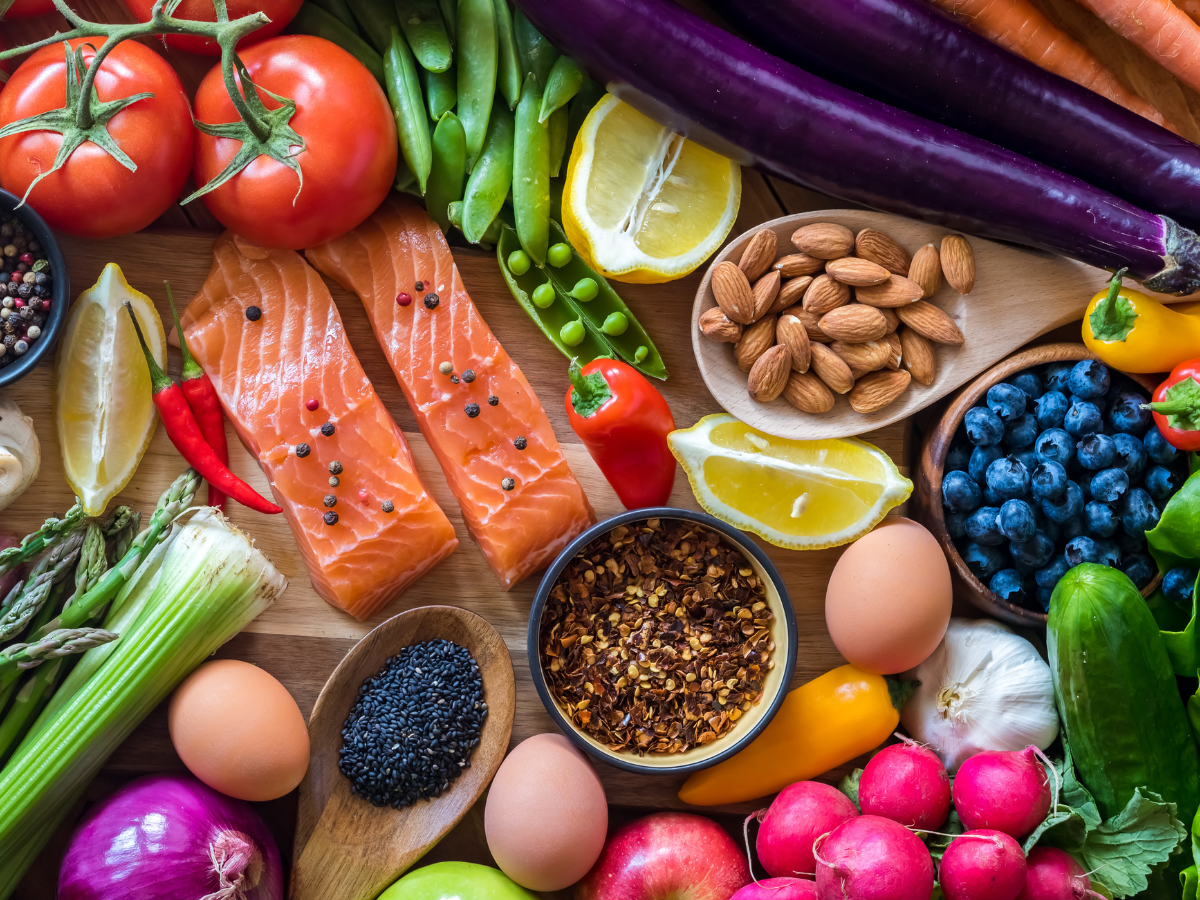
That doesn’t mean these foods are overrated. Dietitians describe them as nutrient-dense, meaning they deliver plenty of vitamins, minerals and other beneficial compounds without adding excessive calories. Well-known examples include:
- Berries such as blueberries and strawberries, which contain vitamin C, fibre and antioxidant-rich polyphenols.
- Dark leafy greens including spinach and kale, which are packed with vitamins A, C and K, along with folate.
- Cruciferous vegetables like broccoli and Brussels sprouts, which supply fibre and beneficial plant compounds.
- Oily fish such as salmon, which combine complete protein with heart-healthy omega-3 fatty acids.
- Whole grains, legumes, nuts and seeds, including oats, beans, almonds and chia seeds, which provide complex carbohydrates, healthy fats, protein and important minerals.
Chasing the latest single-food trend is a bit like trying to build a house using only hammers. No single “miracle” ingredient can carry your entire physiology. Instead of seeking a dietary silver bullet, experts advocate for eating the rainbow.
No, that does not mean a bowl of Skittles. It means filling your plate with different coloured fruit and vegetables, as each colour group brings a unique set of nutrient bodyguards to the recovery party.
Food supplements: the wingman of nutrients
If whole foods are the main infantry, supplements are your tactical special forces. They are not meant to replace your meals. They are meant to assist if your diet hits a snag. After all, they are called supplements, not substitutes. For those pushing their limits, a few heavily researched options can genuinely give you an edge:
- Protein powders: The ultimate post-workout convenience. It is much easier to down a quick shake in the car park than it is to whip out a lukewarm container of grilled chicken breast.
- Creatine monohydrate: The undisputed heavyweight champion of sports science. It increases your muscles’ quick-release energy stores, helping you squeeze out those last agonising reps.
- Electrolytes: Crucial for replacing the essential minerals you sweat out during an intense cardio session.
- Caffeine: A trusted, jittery ally that can improve alertness and endurance on days the snooze button almost wins.
Used appropriately, these products can complement a healthy diet. They simply work best alongside a solid nutritional foundation. Buying every supplement on the shelf won’t compensate for skipping balanced meals.

The food matrix vs. the powdered shortcuts
Why can’t we just swallow a handful of pills and call it a day? The secret lies in something scientists call the food matrix. This isn’t a sci-fi film where you dodge bullet-sized vitamins. The food matrix is the complex, natural structure of whole foods where vitamins, minerals, fibre and healthy fats are physically bound together.
The food matrix is the complex, natural structure of whole foods where vitamins, minerals, fibre and healthy fats are physically bound together.
Your body evolved to digest these nutrients as a team. When you isolate them into a synthetic powder, they lose much of that natural synergy. Whole foods naturally package these recovery-boosting elements together in a way that isolated supplements simply cannot fully replicate. That gives whole foods an advantage as the nutritional foundation for exercise and recovery, while supplements are better suited to delivering specific nutrients where needed.
Also read: Why Recovery Nutrition Gets More Important as You Age
Don’t let your diet go it alone
Superfoods and supplements are not rivals fighting for the same trophy. They perform best as teammates, each with a different assignment. Whole foods earn the starting position because they provide the complete nutritional foundation needed to fuel training and recovery. Supplements come off the bench when convenience, performance or a specific nutrient gap calls their number.
Building your routine around colourful, nutrient-dense meals first leaves supplements free to do what they were designed for: supporting an already solid game plan. Pouring high-octane fuel into a car without an engine still won’t win the race.