






































Contrast therapy, where heat and cold take turns like they’re tag-teaming your body, has become a popular ritual in both athletic and wellness circles.
It is often linked to muscle recovery, improved circulation and even mood regulation, and recent research continues to bolster its growing scientific support.
In practice, it works a bit like your body’s reset button, just with more steam on one side and a sharper chill on the other.
The science behind contrast therapy
At its core, the process is all about how your body reacts when you keep switching between hot and cold.
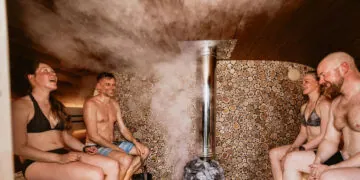
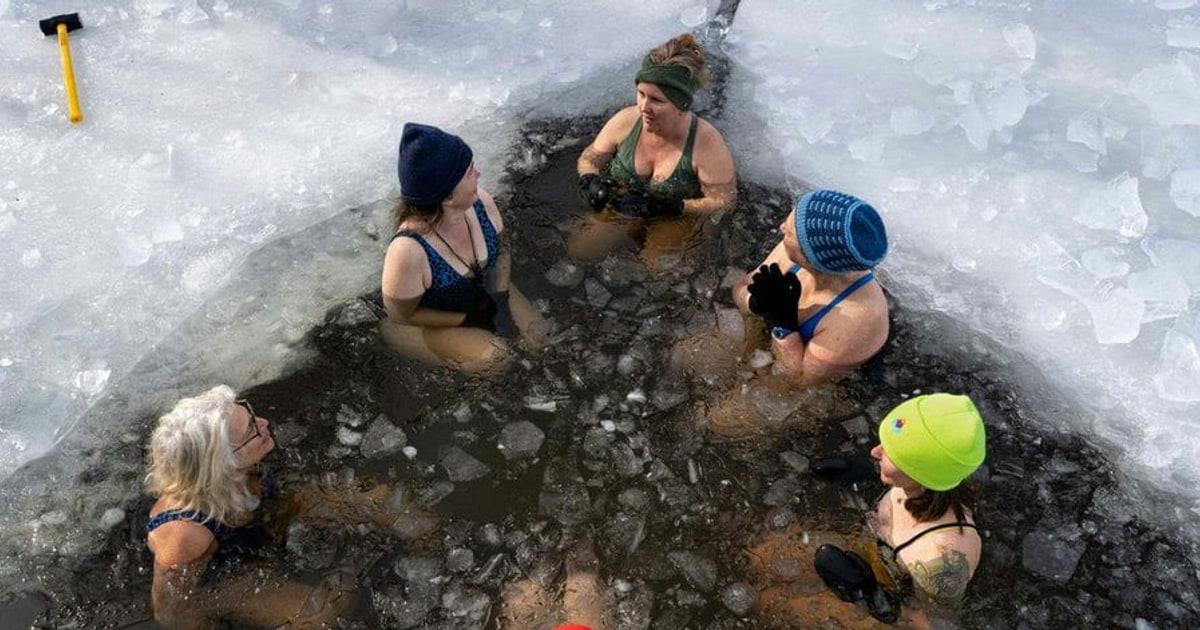
The routine usually involves going from heat exposure, such as an infrared sauna, to cold water immersion, like in a plunge pool, then repeating the cycle.
That back-and-forth creates what scientists call the vascular pumping effect, which sounds technical but is really just your circulation doing a bit of workout choreography.
The warm stage makes your blood vessels widen, a process known as vasodilation. Blood flow increases towards the skin and muscles, helping deliver oxygen and nutrients while clearing out metabolic by-products.
During this phase, skin blood flow can rise sharply, and heart rate can also increase, similar to what you see during moderate exercise.
Then comes the cold, and everything tightens up. Vasoconstriction kicks in, blood vessels narrow, and flow shifts back towards the core organs.
When you alternate between these two states, you create a rhythmic pumping action through the vascular system. The idea is that this circulation swing supports better tissue perfusion and may help with recovery and muscle soreness.
A study in the Journal of Athletic Training, a peer-reviewed sports medicine journal, explored this in detail.
Using near-infrared spectroscopy, a technique that measures changes in blood and tissue oxygenation, researchers observed higher levels of oxygenated and total haemoglobin, along with increased tissue oxygen saturation compared to baseline.
In simple terms, more oxygen-rich blood was reaching the muscle tissue during the process.
Benefits for muscle recovery and inflammation
If you have ever woken up after a tough workout and wondered why stairs suddenly feel like a personal attack, you are basically experiencing delayed-onset muscle soreness, or DOMS.
Contrast therapy steps into that moment like a recovery sidekick, especially for athletes dealing with micro-tears in muscle fibres after intense exercise.
A 2013 analysis in PLoS ONE, a leading open-access research journal, combined findings from 18 controlled studies examining how contrast water therapy affects exercise-related muscle damage.
The findings pointed to one clear trend. Muscle discomfort was consistently lower at all measured time points compared with simple rest. It also showed a noticeable reduction in muscle strength loss during recovery.
Further research by Vaile and colleagues, exercise physiologists studying post-exercise recovery, looked at resistance training using eccentric leg press exercise.
Participants who used contrast water therapy recovered isometric strength, the ability of a muscle to produce force while held in a static position, more effectively over the following 72 hours compared with a passive rest group.
They also reported less soreness and showed reduced swelling, along with a measurable drop in thigh circumference, which signals less oedema.
There is also an inflammation angle here. Cold exposure, one half of the contrast cycle, can suppress inflammatory cytokines linked to post-exercise soreness and swelling. That can be helpful for recurring soft tissue issues or chronic joint inflammation.
Cardiovascular responses and circulatory adaptation
If contrast therapy feels like your body is being politely put through a hot and cold handshake, there is a reason behind the ritual. The repeated switch between vasodilation and vasoconstriction pushes the cardiovascular system to adapt on the fly.
Blood pressure adjusts, blood volume shifts and heart rate keeps recalibrating. It is not quite a jog round the park, but it mirrors some demands of aerobic exercise, just without the running.
Sauna use, which drives the heat phase, has been studied on its own. A long-term study published in BMC Medicine, a medical research journal, followed participants for 15 years and found a clear pattern.
People who used saunas 4 to 7 times per week had a significantly lower risk of death from cardiovascular causes compared with those who went just once a week. Frequency seemed to matter more than occasional heat sessions.
Add cold immersion into the mix, and things get more interesting. Repeated hot and cold cycles have been linked to reductions in systolic blood pressure, suggesting the cardiovascular system gets better at adjusting quickly, not just gradually.
Stick with it, and longer-term gains may follow, including healthier blood vessel function and steadier circulation at rest. This may also explain why some people notice less frequent cold hands and feet over time.
Brain chemistry and alertness effects
There is also a quieter but equally interesting side that occurs in the brain. Cold exposure can trigger a spike in noradrenaline, a neurotransmitter linked to alertness and mood regulation. That surge can leave you feeling sharp and energised for hours.
Some research also suggests regular cold exposure may increase baseline dopamine levels over time, supporting mood and motivation.
Heat exposure adds its own twist. Infrared sauna sessions may support better sleep by raising core body temperature, followed by a cooling phase that mirrors the body’s natural drop before sleep.
Many people report dropping off faster and sleeping more deeply after evening sessions, making it feel less like a wellness trend and more like a warm shortcut to bedtime.
Practical ways to apply contrast therapy
So you are intrigued and ready to try the process, but not quite sure where to start? The good news is it does not need to feel like an elite recovery protocol. It is more like building a rhythm your body learns over time.
A common beginner setup pairs an infrared sauna with a cold plunge. Think 10 to 15 minutes in the heat, followed by 2 to 3 minutes in cold water, repeated for 3 to 4 rounds.
Many people finish on the cold side, partly for the vasoconstriction effect and partly because that noradrenaline spike tends to leave you feeling oddly alert, like your body just hit refresh.
If you are new to it, less is more at first. Fewer rounds, shorter cold dips, and gradual increases over several weeks tend to work better than going all in on day one.
Some people also keep a simple journal to track how they feel after each session, which helps spot your personal sweet spot for temperature, timing, and frequency. Your body will tell you more than any guide ever could, if you actually listen.
Safety considerations before starting
Safety is not the glamorous part, but it is the important one. While contrast therapy is generally considered safe for healthy adults, anyone with cardiovascular conditions, pregnant people, or those on medications that affect heart rate or blood pressure should check with a healthcare professional first.
Cold plunges are also best not done alone, especially if you are just starting out. If something feels off, it is better to step out early than to push through.
Consistency matters more than intensity. A regular, moderate routine tends to deliver more benefit than occasional extreme sessions that leave you wiped out.
And while contrast therapy can support recovery and overall well-being, it is most effective as part of a broader routine, not as a stand-alone miracle fix.
In the end, it is less about chasing extremes and more about finding balance between them. Heat, cold, repeat. Your body does the rest, slowly learning how to recover, reset, and keep up with everything you throw at it.