


























































Osteoarthritis has long been labelled an older person’s problem, yet more people in their twenties and thirties are now being diagnosed with it.
When it arrives early, it can derail movement, strain work life, knock your mood and chip away at everyday comfort.
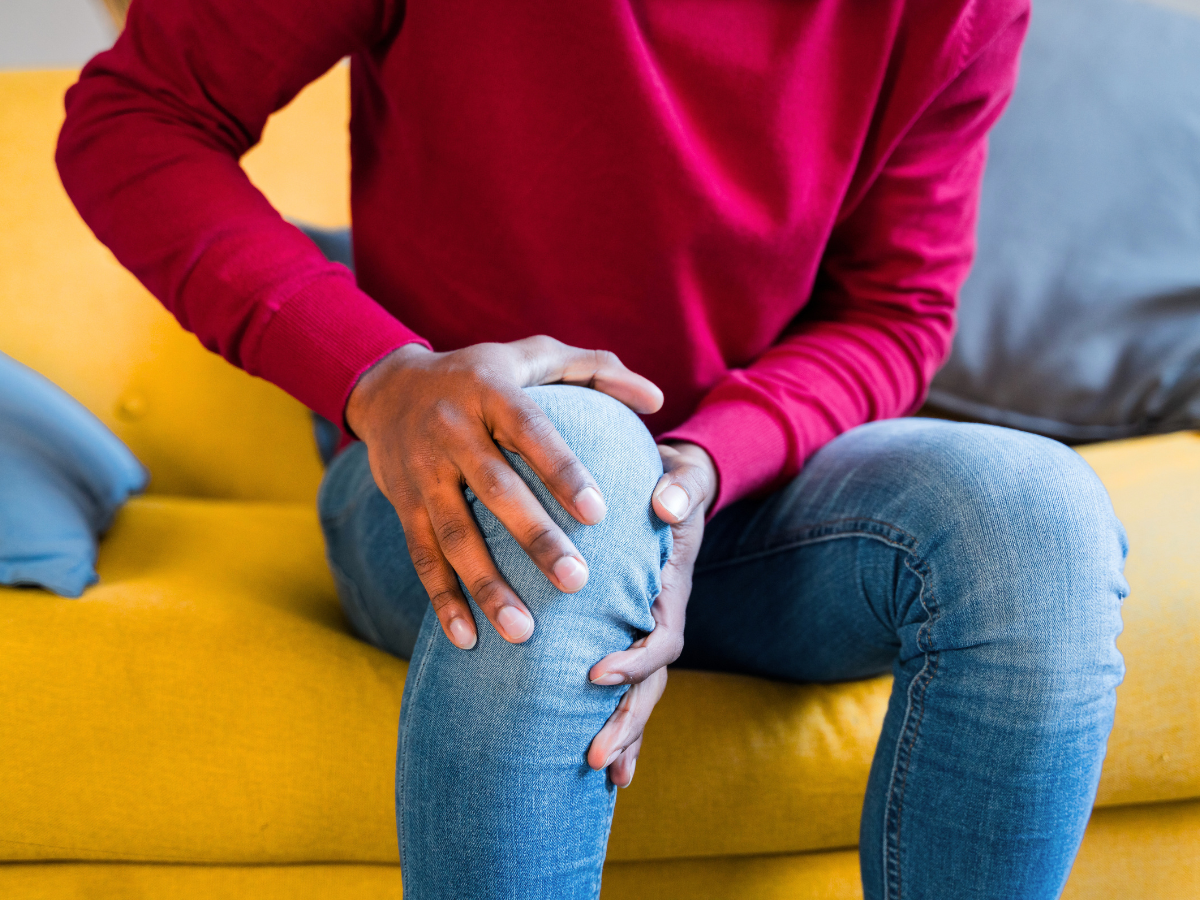
At its core, OA is what happens when the cartilage that cushions your joints starts to wear down. Once that padding thins, the bones begin to rub, and that is when pain, stiffness and swelling creep in, making simple movements feel far harder than they should.
Once that padding thins, the bones begin to rub, and that is when pain, stiffness and swelling creep in, making simple movements feel far harder than they should.
Knees and hips usually take the first hit, but hands, shoulders and the spine can join the queue.
Age plays a part, but it is not the full story. Genetics, inflammation, hormones, repeated strain and lifestyle all influence your risk. Younger adults are far from exempt, especially if injuries or heavy impact have been part of the picture.
Also Read: Why Movement is a Simple Fix for Stress, Low Mood and Mental Fatigue
Growing trend in early-onset OA
The rise in early joint degeneration is linked to a combination of lifestyle changes, medical factors, and physical demands that are now more common among younger adults.
Post-COVID complications and steroid exposure: Some younger COVID-19 survivors developed severe hip problems after receiving high-dose steroid treatment during their illness. In a small number of cases, steroid use contributed to avascular necrosis (AVN), a condition where reduced blood supply causes bone tissue to die.
When AVN occurs in the hip, it can weaken the bone structure and lead to joint collapse. This often progresses into severe arthritis that may require surgical treatment. Although AVN is not widespread, the trend highlights how critical illness and certain medications can influence joint health earlier in life.
When AVN occurs in the hip, it can weaken the bone structure and lead to joint collapse. This often progresses into severe arthritis that may require surgical treatment.
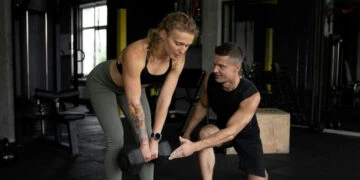
Sports injuries and overuse stress: Young athletes and fitness enthusiasts are more prone to soft-tissue injuries such as ligament tears, meniscus damage, and repetitive strain. If these injuries are not treated properly, they can change how the joint moves.
Even small changes in alignment can speed up cartilage breakdown. High-intensity training, heavy lifting without guidance, and overtraining also place extra pressure on weight-bearing joints. Over time, these habits can pave the way for OA much earlier than expected.
Sedentary habits, weight gain, and work demands: Many younger adults balance long hours of sitting with periods of intense activity, creating a cycle that stresses the joints. Extended sitting weakens muscles that stabilize the knees and hips, leaving joints more vulnerable. Rising obesity rates also increase pressure on weight-bearing joints, while body fat may contribute to inflammation that affects joint tissues.
Some jobs add extra strain. Roles with heavy lifting, long hours standing, or repetitive movements, like construction, factory, retail, or healthcare, can gradually wear down joints if proper support or rest is lacking.
Recognizing early symptoms
Early symptoms of OA often resemble common aches and minor soreness, causing many young adults to ignore them. This delay allows more damage to occur before treatment begins.
Key symptoms to watch for
Signs of early OA may include lingering discomfort after activity, stiffness following rest, mild swelling, or a warm sensation around the joint. Some people notice clicking sounds, reduced flexibility, or difficulty with everyday tasks like bending, climbing stairs, or squatting. These symptoms should not be dismissed, especially if they persist for several weeks.
Diagnosis and treatment options
Diagnosis usually involves a physical exam, X-rays or MRI scans, and an assessment of how the joint moves. Once OA is identified, treatment focuses on slowing progression and improving function.
Weight control can greatly reduce pressure on the joints, even with modest weight loss. Low-impact exercises, such as swimming, cycling, Pilates, and yoga, help maintain mobility without adding strain. Physical therapy strengthens muscles that support the joints and improves posture and alignment.
Low-impact exercises, such as swimming, cycling, Pilates, and yoga, help maintain mobility without adding strain.
Medications like pain relievers or anti-inflammatory drugs may help with discomfort. In more advanced cases, doctors may suggest injectable treatments or surgical procedures, such as arthroscopy or joint replacement, depending on the severity of damage.
Prevention through daily habits
The smartest way to protect yourself is to build good movement habits now. Solid technique, supportive footwear, balanced strength work and regular stretching all give your joints the backup they need. And if something hurts, deal with it early. Pushing through pain only stores up trouble for later.
Early-onset osteoarthritis is a clear warning sign of how modern living strains the body. Long hours sitting, bursts of intense training, stress and injuries all stack up faster than most people realise. Catching symptoms early and caring for your joints with steady, sensible habits can keep you moving well for years to come.
Your future mobility depends on the steps you take today.