



















































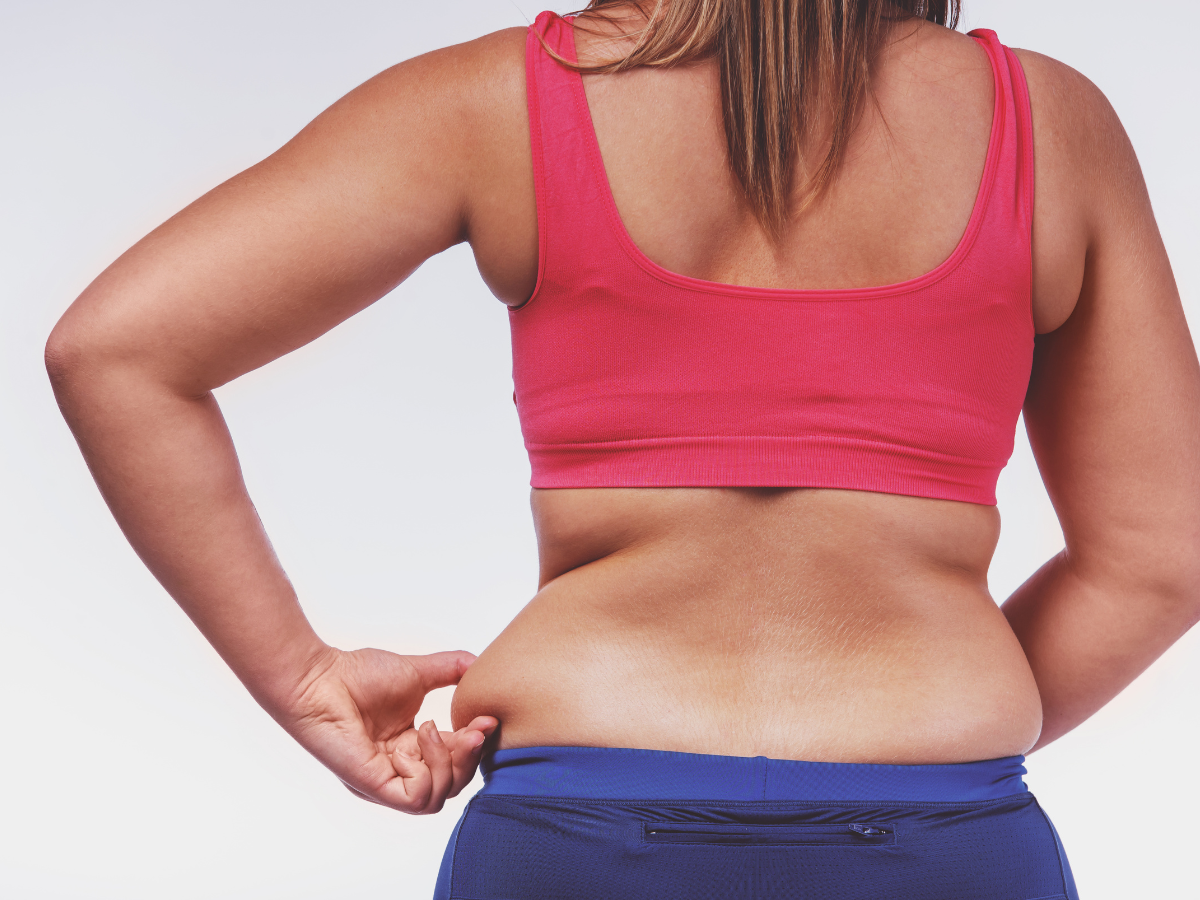
Love handles have a habit of turning up like uninvited guests who’ve brought nibbles and decided to make themselves at home. You tweak your routine, tidy up your meals, perhaps even commit to “this is my fitness era,” and yet, those soft curves at your sides dig their heels in. That area of fat is one of the body’s favourite storage spots. Prime real estate, biologically speaking. Which is why they tend to hang about longer than you’d hope.
Not because you’re doing everything wrong, but because your body is following instructions it’s had for yonks. The good news is those instructions can be rewritten. Not overnight, not dramatically, but steadily, in ways that genuinely last.
Your love handles didn’t get that memo
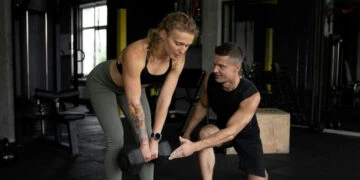
If you’ve ever done side bends with dumbbells and thought, “This will melt my love handles,” your body definitely didn’t get the memo. Spot reduction, the idea that you can burn fat from a specific area by exercising it, is one of fitness’s oldest myths.
When you do side bends, you strengthen your obliques. That bit is true. What doesn’t follow is the hope that the fat sitting on top will vanish just because the muscle beneath is working.
Also read: The “Lazy” No Equipment Workout That Secretly Sorts Your Blood Sugar
Fat loss, rather inconveniently, does not operate like a spotlight. It isn’t precise, and it has absolutely no interest in following instructions. Your body taps into stored fat according to hormones, genetics and overall energy balance, not because your obliques are staging a dramatic protest the morning after leg raises.
Which is where the frustration tends to creep in. On paper, the logic feels impeccable. Work the area, lose the fat there. Clean, efficient, satisfyingly straightforward. The only issue is that the body has never shown much enthusiasm for straightforward.
It tends to hold onto certain areas with almost theatrical determination, particularly around the waist, where fat storage is hormonally more active. That softness at the sides isn’t some personal failing or proof that your workouts aren’t working. It’s biology being predictably stubborn. And once that clicks, much of the confusion, along with a fair bit of the self-inflicted exasperation, tends to melt away, even if the love handles are in no immediate rush to follow suit.
That softness at the sides isn’t some personal failing or proof that your workouts aren’t working.
Your stress is showing on your waistline
Ever noticed how your waist feels tighter when you’re stressed? Deadlines mount up, sleep slips, everything feels that little bit heavier. That’s not in your head. That’s cortisol.
Cortisol is your stress hormone, and it has a well-known link to belly fat. When stress stays high for too long, your body shifts into a kind of energy-saving mode. It stores more fat around the middle, partly because that area’s more sensitive to cortisol’s signals.
Add poor sleep into the mix, and things get messier. Being short of sleep plays havoc with hunger hormones, making calorie-heavy food more tempting. At the same time, energy sags, so you move even less. Eat more, move less, store more. The waistline usually cops it. No heroic workout cancels out chronic stress. No herbal tea sorts out sleep debt.
If life feels like a non-stop rush, your body will show it. Not out of spite. Out of biology. So when love handles seem especially stubborn, the real question is: is recovery part of your routine, or just something you squeeze in?
What actually tips the balance
The changes that shrink love handles tend to look a bit boring written down. Subtle, steady, easily overlooked—until enough time passes and you notice the difference.
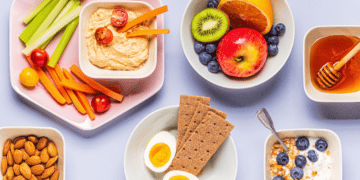
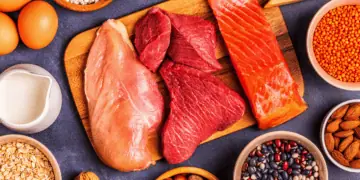
Start with food. Meals built around protein, such as eggs, fish, chicken, tofu, help you feel full and look after your muscles while you lose fat. Pair that with veg and fibre, and suddenly those late-night munchies lose their appeal.
Then there’s movement, and this is where most folk underestimate themselves. One workout feels useful. Ten thousand small movements throughout your day are what really add up. Walking to the shops. Taking the scenic route. Standing more often than you sit. It doesn’t look flashy, but your metabolism keeps score.
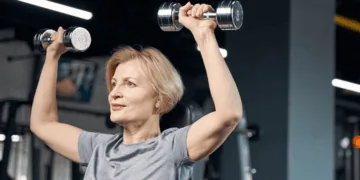
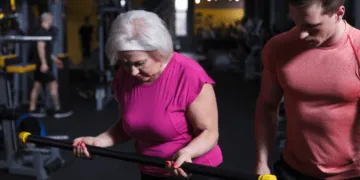
Strength training deserves a place here, not as punishment, but as a framework. A few sessions a week, focusing on the big lifts, gradually build muscle and shape your body overall. Over time, the waist catches on.
Strength training deserves a place here, not as punishment, but as a framework.
And progress? It rarely appears where you’d like first. Your face might slim down. Your arms may firm up. Meanwhile, your sides look just the same, like they missed the memo. Fat loss takes its own sweet time, and that area is always last to the party.
One more thing people don’t mention enough: patience trumps urgency almost every time. A body that changes slowly tends to keep those changes. So if you’re aiming to lose love handles, the question really is: can you give your body enough time to catch up?
Because it is catching up, even when it feels like nothing much is happening. Your metabolism is adapting, your habits are bedding in, your body is learning a new normal. This is not the kind of process that rewards urgency. It rewards consistency. Unfortunately, consistency is not particularly glamorous, but it does tend to work.