























































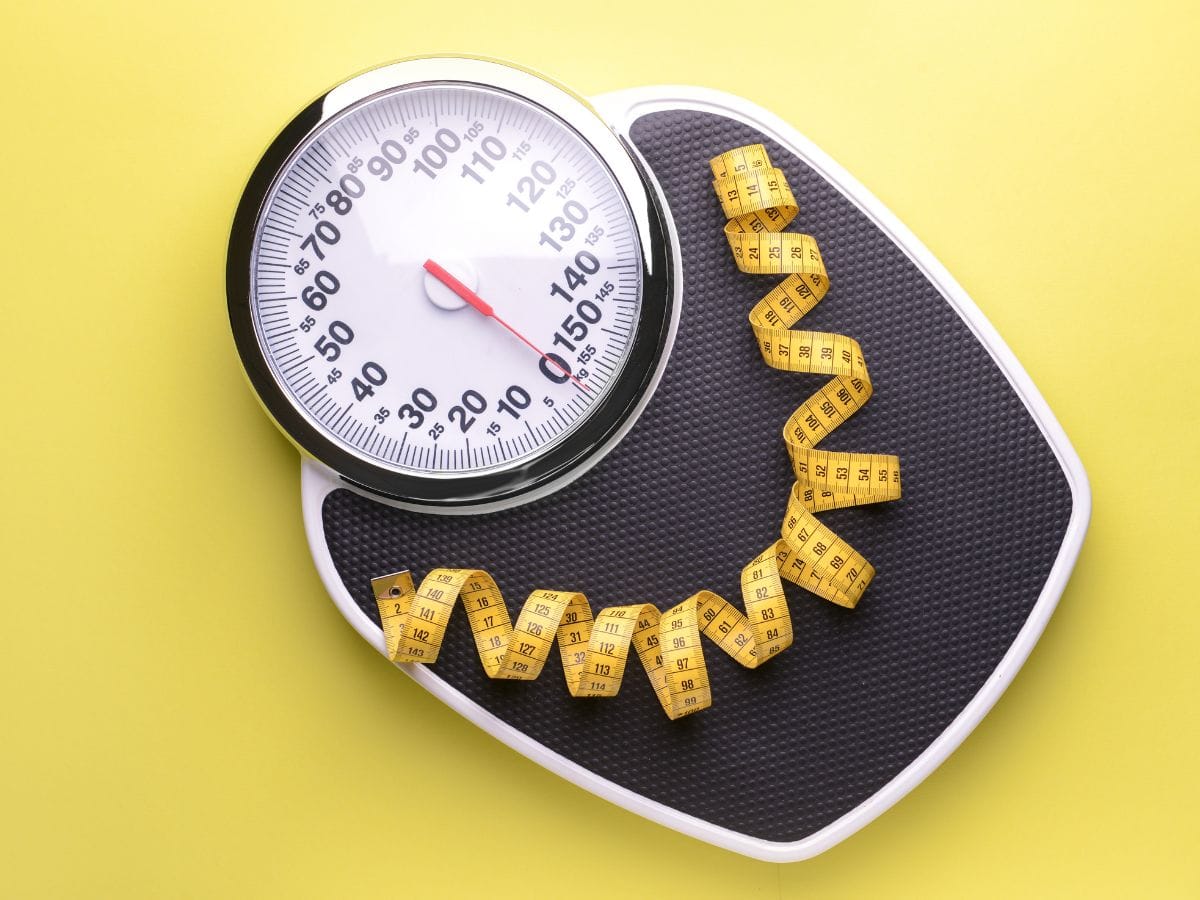
So, you’ve been smashing your workouts, cutting down on takeaways and have even swapped your nightly biscuit for a handful of almonds. Yet, somehow, the scales haven’t shifted in weeks.
Frustrating, isn’t it?
Welcome to the infamous weight-loss plateau – that mysterious middle ground where your hard graft seems to vanish into thin air. But don’t panic. Often, it’s not about what you’re doing wrong, but what your body’s trying to tell you.
Let’s break it down and uncover what’s holding your progress hostage – and how to sort it without sacrificing your sanity (or your snacks).
Also read: Eat Smart and Feel Good with Sustainable Weight Loss That Actually Works
The truth about exercise and weight loss
There’s no denying exercise is good for you. It lifts your mood, strengthens your heart and helps you sleep better. But here’s the twist – when it comes to shedding weight, it’s not always the powerhouse we imagine.
A substantial review of more than 30 studies found that exercise programmes aimed at weight loss usually deliver only modest results on the scales, averaging around a two-kilogram drop. That’s because the body quickly learns to adapt. It becomes more efficient, burning fewer calories for the same effort – a process known as metabolic adaptation.
Then there’s appetite. After a tough workout, your body might reward itself by demanding an extra helping at tea. Or perhaps you unconsciously move less for the rest of the day, undoing your progress without realising. It’s not that your effort doesn’t count – it’s that your body’s incredibly clever at maintaining balance.
So, instead of chasing hours of cardio, consider adding strength training to your routine.
So, instead of chasing hours of cardio, consider adding strength training to your routine. Building muscle boosts your metabolism, meaning you burn more calories even at rest. And if the scales aren’t moving, look beyond the numbers – feeling stronger, sleeping better and having more energy are all signs you’re on the right track.
The hidden culprits: food, stress and sleep
Mind the sneaky calories: Even the most disciplined eaters can fall for common weight-loss pitfalls. A drizzle of dressing here, a handful of nuts there – those little extras add up faster than you think. Smoothies, fruit juices and “low-fat” snacks often smuggle in more sugar and calories than expected.
If your progress has stalled, try tracking your meals for a week. It’s not about restriction; it’s about awareness. You might be surprised by how much you’re actually consuming once it’s all written down.
If your progress has stalled, try tracking your meals for a week. It’s not about restriction; it’s about awareness.
Stress and sleep: Weight loss isn’t just about food and movement – your mind plays a starring role too. Chronic stress floods your body with cortisol, a hormone that encourages fat storage (especially around the tummy). Pair that with poor sleep, and you’ve a recipe for stalled results.
When you’re tired, your body makes more ghrelin (the hunger hormone) and less leptin (the fullness hormone). That means you’ll crave comfort food – and honestly, who can resist? Aim for enough rest, manage stress and give your body time to recover.
When the scales lie: Sometimes your body’s changing even when your weight isn’t. Muscle is denser than fat, so you could be losing fat but gaining lean muscle without the scales showing it. That’s why it’s smarter to track progress by how your clothes fit or how strong you feel rather than chasing a single number.
Small changes, big impact
We often underestimate the role of hydration in weight loss, but water quietly does some of the most important work. When you’re dehydrated, your body might mistake thirst for hunger, leading you to snack unnecessarily. Worse still, dehydration can make your liver less efficient at processing fat.
Drinking enough water can also give your metabolism a nudge – one study found that half a litre of water temporarily increases calorie burning by up to 30 per cent. So, before you reach for that mid-morning nibble, try a glass of water first. It’s a simple tweak that can make a big difference.
Drinking enough water can also give your metabolism a nudge – one study found that half a litre of water temporarily increases calorie burning by up to 30 per cent.
What the latest weight-loss trends get wrong
Scroll through social media and it feels like every week brings a new miracle solution, from intermittent fasting to “detox teas”. But many weight-loss trends are quick fixes that chase short-term results rather than sustainable habits.
Your body doesn’t need punishing restrictions or pricey powders; it needs consistency, nourishment and rest.
Trendy diets can also play havoc with your metabolism, making it harder to lose weight in the long run. Instead of jumping on every new craze, aim for a balanced plate: plenty of whole grains, lean protein, fruit, veg and a few treats for good measure.
Consistency is key
Consistency beats intensity every time. You don’t need a total life overhaul – regular walks, balanced meals and quality sleep will do the trick. Slow progress lasts longer than any quick fix. Plateaus don’t last for ever; they’re just your body settling into its new rhythm. A little patience, a few small tweaks and an extra glass of water can get things moving again.
Plateaus don’t last for ever; they’re just your body settling into its new rhythm. A little patience, a few small tweaks and an extra glass of water can get things moving again.
Breaking a weight-loss plateau isn’t about working harder; it’s about working smarter. Tackle common weight-loss mistakes, keep in mind how hydration affects results and refresh your fitness routines to get things moving again.
Forget the quick fixes and weight-loss trends that promise overnight success. Focus instead on steady effort, self-awareness and kindness to yourself, because the real victory isn’t just losing weight – it’s gaining strength, energy and confidence.