




















































Let’s be honest, most of us are basically professional sitters now. Work, scrolling, streaming, repeat. So anything that gets you moving without feeling like punishment is already a bit of a win.
For older adults, especially, staying active isn’t just fitness, it’s about keeping energy up, staying sharp, and actually enjoying the day.
That’s where tennis sneaks in like the overachiever of sports, one of those rare activities that hides serious longevity benefits inside something that still feels like a game.
How tennis strengthens the body
With tennis, you’re not really working out. You’re chasing a ball, while your heart, brain, and reflexes quietly put in overtime. It’s exercise disguised as play, and that’s why it works.
And the figures are pretty wild. Tennis players have been shown to live about 9.7 years longer than inactive people. Nearly a full extra decade, just from picking up a racket and “casually” surviving every rally.
So what is the sport actually doing that makes it such a stand-out in disguise? Quite a lot, and not in a gentle, leisurely way.
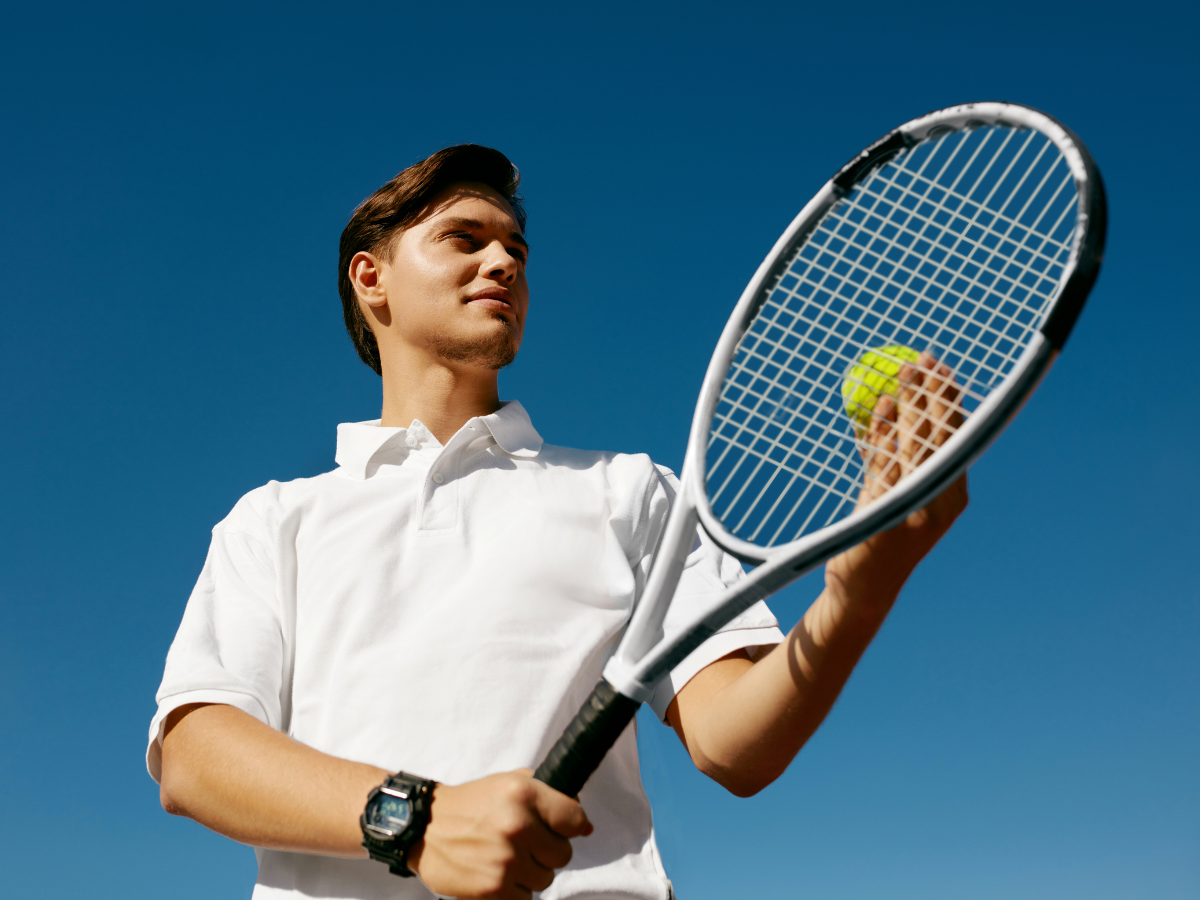
It’s a full-body workout disguised as a game, which is exactly why people underestimate it. One moment you’re steady, the next you’re sprinting, stopping, and changing direction like your body just remembered it has places to be.
That mix of aerobic movement and short bursts of intensity keeps the heart working efficiently while building stamina over time, without ever feeling like a traditional workout session.
It also strengthens muscles across the board, from legs and core to shoulders and arms, all while you think you’re just playing.
Those quick lateral movements help with balance and coordination, while the constant loading and unloading of movement supports bone density, which becomes especially important as the years go by.
Even the simple act of repeating swings and shots builds strength in a way that feels more like play than training, which is exactly why people stick with it.
Mental agility with a social boost
Tennis doesn’t just work the body, it keeps the brain on its toes, too, which is part of its hidden design. Every rally is a little mental workout, where you’re tracking the ball, reading your opponent, and deciding your next move in a split second while pretending it’s all just a game.
Studies on racquet sports suggest links to better memory, quicker decision-making, and stronger problem-solving skills.
In simple terms, it keeps the mind a bit more agile, like a muscle you’re training without even noticing because you’re focused on the rally, not the exercise.
Then there’s the social side, which often gets overlooked but is part of the package. Tennis is rarely a solo affair. Whether it’s doubles, casual matches, or club play, it naturally brings people together.
That sense of connection eases stress, lifts mood, and provides emotional support, which quietly becomes another hidden benefit sitting inside what looks like a simple game.
Safe participation for older adults
For those aged 50 and over, staying active often comes with a bit of hesitation. The body doesn’t always move the way it used to, and concerns about joints or injuries tend to creep in.
But that doesn’t mean giving up the sports you enjoy. Tennis can be adjusted to suit different fitness levels, which is one of its hidden advantages.
Experts in sports medicine often point out that ageing isn’t a reason to stop playing, but a reminder to play smarter. This means giving the body a proper warm-up, cooling down afterwards, and adding a bit of dynamic stretching before stepping onto the court.
A good warm-up doesn’t need to be complicated. About 8 to 15 minutes of light movement, simple mobility drills like arm circles and leg swings, and a few easy practice shots can make a big difference.
It helps prepare the body for what tennis quietly demands, even if it still feels like a game. It lowers the risk of common injuries in the shoulders, elbows, knees, ankles, and hips, which matters because the sport is full of quick stops, sharp turns, and sudden bursts of movement.
The balance between energy and overdoing it
Tennis does come with its fair share of “whoops, maybe I moved a bit too fast there” moments. As with any fast sport disguised as fun, injuries can happen, and for older players, recovery sometimes moves more slowly than expected.
But it’s not all ice packs and hazard tape. Research suggests tennis may actually help prevent certain health issues and support overall wellbeing, which fits the pattern of the sport, it delivers benefits while still behaving like a game.
What really makes it stand out is the combo deal. You get a workout, a mental puzzle, and a social get-together all in one activity that never fully admits it’s doing all that.
With a proper warm-up and a bit of common sense, tennis shifts from “careful now” to “this is actually fun” pretty quickly.