





















































Type 2 diabetes and low testosterone (aka Low T, or hypogonadism if you want to sound clever at dinner parties) are like that annoying double act nobody invited to the party. Researchers estimate that roughly one in three men (33, 40%) with type 2 diabetes also happens to be running low on testosterone.
While low T won’t magically give you diabetes overnight, it certainly rolls out the red carpet for it. When testosterone drops, muscle mass takes a holiday, body fat sets up permanent camp and insulin resistance gets a serious promotion.
The silver lining? Supporting healthy testosterone levels may improve insulin sensitivity and help your body manage blood sugar more effectively, especially when combined with healthy lifestyle habits.
Also read: How Movement Shapes Desire – In Conversation with Sex Therapist Lucy Frank
The unlikely tag team
Testosterone isn’t just for deep voices and gym flexes. It’s actually a key player in your body’s metabolic pit crew, helping dictate where fat lives and how effectively your muscles soak up insulin. When your T-levels hit the floor, your body pulls a classic switch, muscle mass shrinks while abdominal fat expands.
Since muscle tissue acts like a giant sponge for blood glucose, losing it makes sugar control a monumental headache. To make matters worse, that sneaky belly fat releases inflammatory signals that make your cells less responsive to insulin, forcing your hard-working pancreas to work overtime.
Since muscle tissue acts like a giant sponge for blood glucose, losing it makes sugar control a monumental headache.
Pump up the sugar sponge
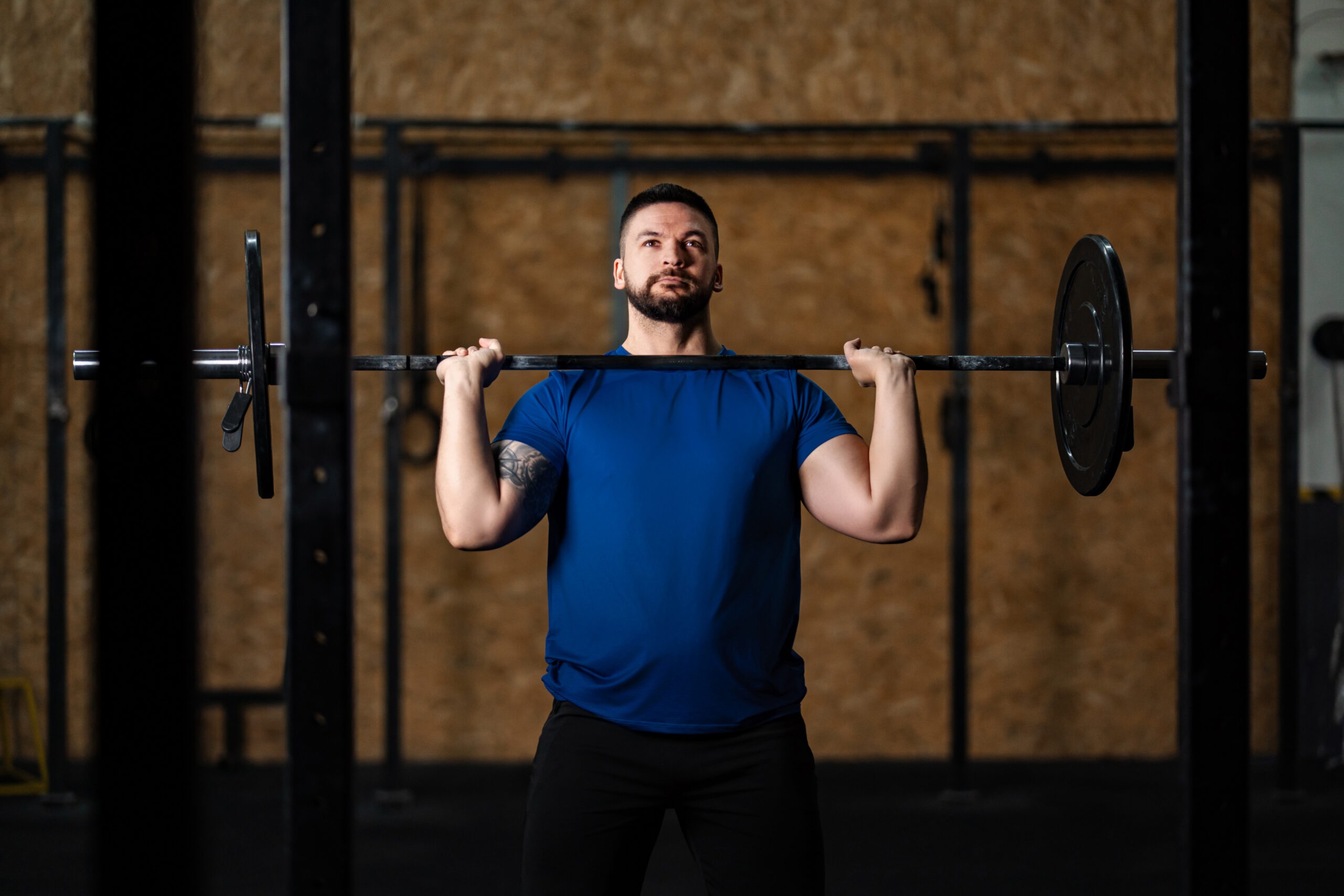
If you want to send your testosterone an RSVP invitation, head for the weight rack. Building lean muscle does more than improve your physique. Think of muscle as your body’s biggest sugar sponge.
The more muscle you have, the more glucose it can pull from the bloodstream, helping your body rely less on insulin to keep blood sugar in check. That said, below are the key training habits that can help you build muscle, support healthy testosterone levels and improve insulin sensitivity.
1. Go big with compound lifts
Want the biggest return for your effort? Focus on compound exercises that work several muscle groups at once. Squats, deadlifts, bench presses, rows and overhead presses build strength efficiently while stimulating the muscles that have the greatest impact on your metabolism.
2. Keep challenging your muscles
Your body loves efficiency. Do the same workout forever, and it quickly adapts. Gradually increasing the weight, repetitions or training volume, a strategy known as progressive overload, encourages continued muscle growth and keeps your fitness moving in the right direction.
3. Recovery is where the magic happens
Muscles aren’t built while you’re lifting. They grow when you recover. Give major muscle groups about 48 hours of rest between heavy sessions, eat enough protein and make quality sleep a priority. Think of rest day as your body’s construction day.
4. Make movement a daily habit
Strength training may be the star of the show, but it shouldn’t be your only act. Add a couple of HIIT sessions each week to improve insulin sensitivity and cardiovascular fitness, then stay active between workouts with short walks, stretches or bodyweight exercises. These “movement snacks” help keep your muscles switched on and your blood sugar steadier throughout the day.
The belly fat conspiracy
Belly fat isn’t just extra padding around your waist, it’s surprisingly busy behind the scenes, and definitely not in a good way. One of its sneakiest tricks involves an enzyme called aromatase.
Think of aromatase as a biological converter that transforms some testosterone into oestrogen. The more visceral fat you carry, the more active this process becomes. The more excess fat you carry, the busier this hormonal bandit gets, quietly draining your testosterone supply. That’s not its only offence, either:
- Inflammatory sabotaging: Visceral fat pumps out inflammatory chemicals that make your cells less responsive to insulin.
- Pancreas overload: Your hard-working pancreas has to work overtime just to keep blood sugar under control.
- The ultimate feedback trap: Lower testosterone encourages more belly fat, and that extra belly fat pushes your testosterone even lower.
The encouraging news? Your body responds surprisingly fast to even modest changes. Losing just 5% to 10% of your weight turns down the volume on aromatase, cools down inflammation and halts that frustrating hormonal tug-of-war.
You don’t need a dramatic Hollywood transformation – steady, realistic progress is all it takes to get your body working with you instead of against you.
What to put on your plate
Nourishing your body with whole, delicious ingredients is the easiest way to keep your metabolism thriving. Focus on nutrient-dense options that give your hormonal factory the raw materials it needs:
- Fatty Fish (Salmon, Sardines): Packed with omega-3s to lower inflammation.
- Zinc Heavyweights (Oysters, Lean Beef, Beans, Nuts): Zinc is the ultimate co-pilot for testosterone synthesis.
- Magnesium Champions (Spinach, Kale): Keeps muscle function optimal and supports hormone health.
- Healthy Fats (Avocados, Olive Oil): Fats are literally the building blocks of steroid hormones. Don’t fear them!
- High-Quality Protein (Eggs, Poultry, Dairy): Keeps your muscles intact while you shed excess weight.
Building a hormone-friendly plate doesn’t require extreme restriction or boring meals. By prioritising these wholesome ingredients, you give your body the essential tools it needs to naturally optimise testosterone and keep blood sugar in check.
Catch your Zzzs and chill out
Hormone production peaks while you’re deep in dreamland. Consistently clocking under six hours of sleep a night tanks your testosterone faster than a bad battery. To make matters worse, sleep deprivation cranks up cortisol, the stress hormone that loves nothing more than storing belly fat and spiking your blood sugar.
- Aim for 7 to 9 hours: Treat sleep like an unmissable appointment.
- Cut late-day caffeine: Your 4 pm espresso isn’t doing your hormones any favours.
- De-screen before bed: Put the phone away, your feed will still be there tomorrow.
- Unplug and breathe: Simple habits like daily walks, meditation or light hobbies keep cortisol in check so testosterone can do its job.
Oh, and cut back on the booze and cigarettes. Heavy drinking hammers testosterone production, and smoking wreaks havoc on your vascular system.
When lifestyle isn’t enough
For men with medically confirmed testosterone deficiency, Testosterone Replacement Therapy (TRT) can be a total game-changer.
In one study, researchers found that adding TRT to standard diabetes care helped 34.3% of participants achieve diabetes remission, while 46.6% reached normal glucose regulation and 83.1% met their target HbA1c levels. The treatment also helped reduce belly fat and improve insulin resistance.
One important point: TRT isn’t a casual quick fix or a substitute for a healthy lifestyle. Doctors only prescribe it after blood work confirms a true deficiency alongside symptoms like chronic fatigue, low libido or muscle loss. Plus, it requires regular medical monitoring and isn’t safe for everyone (especially those with untreated prostate issues or heart conditions).
One important point: TRT isn’t a casual quick fix or a substitute for a healthy lifestyle. Doctors only prescribe it after blood work confirms a true deficiency alongside symptoms like chronic fatigue, low libido or muscle loss.
Win the battle on both fronts
Tackling low testosterone isn’t a silver bullet for type 2 diabetes, but it’s a mighty wingman. By lifting weights, eating nutrient-rich foods, sleeping like a pro and keeping stress at bay, you create an environment where both your hormones and your blood sugar can thrive. Treat both conditions as a team, and your body will thank you with more energy, better metabolic health, and a whole lot more vitality!