














































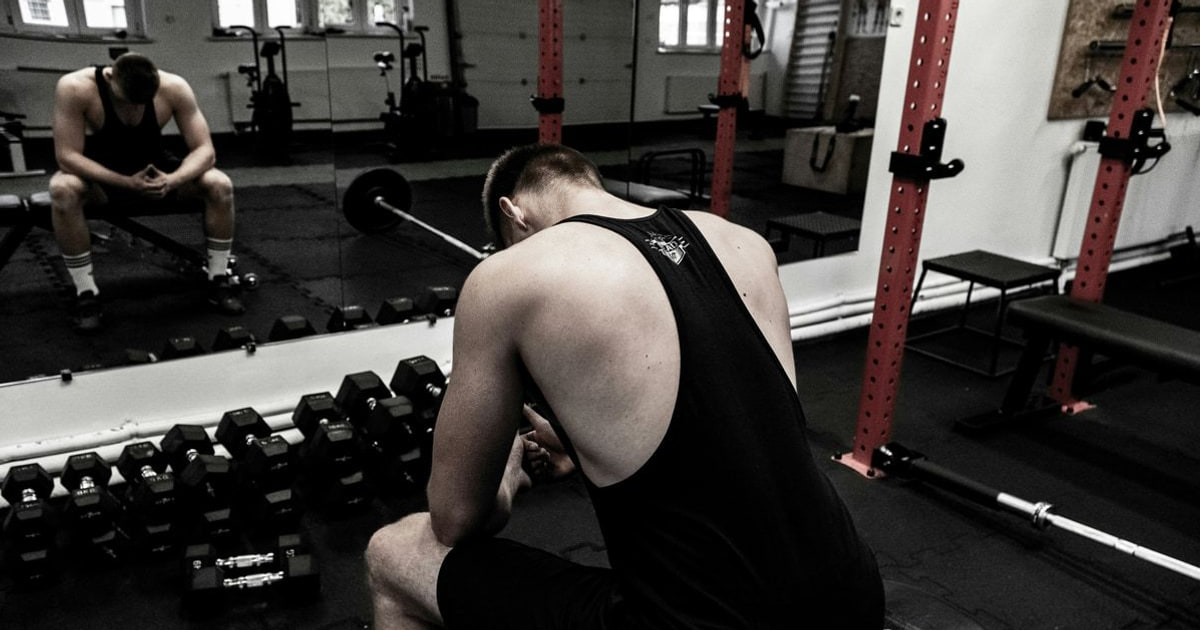
The sun is barely peeking over the horizon, yet your heart is already thumping like a bass drum at a rave. It isn’t because you’ve actually finished a workout; it’s because you’re thinking about the fluorescent-lit arena of clanking iron and Lycra waiting for you.
Ever feel like skipping the gym altogether? If the mere thought of a public sweat session makes you want to burrow under your duvet until 2029, you’ve officially met “gymtimidation,” better known as gym anxiety.
This goes beyond the “Monday Scaries”; it’s a proper psychological hurdle where the gym can feel more like a stage where you’ve forgotten your lines and everything feels off.
Gym anxiety: a survival alarm gone wrong
Why does our biology decide to throw a tantrum when we’re just trying to do something healthy? When you hover at the gym entrance, your brain can trip a prehistoric survival alarm. It scans the unfamiliar machines and spikes cortisol, as if you’re in danger, no wonder a UK survey found 83% of people feel intimidated in gyms.
This primary stress hormone was meant to help our ancestors leg it from a hungry predator, not to help us figure out how to adjust the pin on a seated row machine. Ironically, the very activity you’re dreading is actually the best thing for telling that cortisol to pipe down.
This primary stress hormone was meant to help our ancestors leg it from a hungry predator, not to help us figure out how to adjust the pin on a seated row machine. Ironically, the very activity you’re dreading is actually the best thing for telling that cortisol to pipe down.
Regular movement acts as a biological buffer, sharpening your brain’s ability to handle executive tasks even when you’re under pressure. Scientific evidence suggests that an active lifestyle basically “trains” the nervous system to stay cool, calm, and collected.
Think of every bicep curl or treadmill mile as a dress rehearsal for the next time your boss sends a “we need to talk” Slack message. It’s not just about looking magic in a t-shirt; it’s about building a mind that doesn’t smash the panic button when life goes a bit pear-shaped.
Breaking the “all or nothing” myth
We’ve all fallen for the idea that if you’re not sweating buckets for sixty punishing minutes, it doesn’t count. This rigid “no pain, no gain” mindset is exactly what fuels our anxiety, making the mountain look impossible before we’ve even found our socks.
While health guidelines love to mention forty-minute windows, your brain is actually a huge fan of “exercise snacking.” This means breaking your movement into bite-sized, ten-minute chunks that fit into your day like a jigsaw piece.
Consistency will always be the cool, reliable older sibling to intensity’s unpredictable drama. Short bursts of activity are brilliant for managing blood sugar and keeping your cardiovascular system from turning into a stagnant pond while you work.
You might not leave a ten-minute walk looking like a Greek god, but the mental clarity and improved focus can arrive before you’ve even got your breath back. These “micro-wins” are like deposits in a confidence bank account, slowly making the gym entrance feel less like a portal of doom.
Navigating the iron jungle
The physical layout of a modern gym can feel like a maze drawn up by someone who’s got it in for beginners. Whether it’s the mystery of a cable machine that looks like it belongs on a spaceship or the social hierarchy of the changing rooms, the “unknown” is pure fuel for anxiety. To beat this, treat your first visit like a spy mission rather than the Olympics.
Most gyms offer an induction where you can map out the floor plan without any pressure to touch a dumbbell. Knowing exactly where the exit and the water fountain are can offer a huge sense of psychological safety.
Most gyms offer an induction where you can map out the floor plan without any pressure to touch a dumbbell. Knowing exactly where the exit and the water fountain are can offer a huge sense of psychological safety.
If the main weight floor feels a bit too much like a shark tank, try the “small pond” strategy to get your confidence up. Group classes are ace because they provide a pre-set structure that wipes out any “what do I do now?” awkwardness.
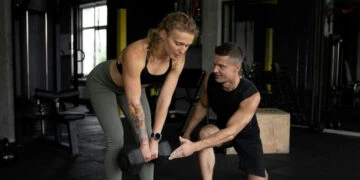
Having a professional let you know exactly where to stand means your brain can stop worrying about being stared at and start focusing on the beat. Alternatively, booking a PT for a couple of sessions can serve as a human shield against feeling judged. They give you the technical “know-how” and, more importantly, the social permission to take up space.
The power of the playlist and the plan
Walking into a gym without a plan is a surefire way to end up having a wobble by the stretching mats. Before you even leave the house, get your routine written down or loaded into an app, so you’re not wandering about aimlessly like a lost tourist.
When you’ve got a clear mission, your focus naturally shifts inward toward your own progress rather than outward toward the person deadlifting what seems like a small car. You’re not there to audition for the cover of Men’s Health; you’re there to keep your own sanity in check.
Your sensory environment is your ultimate tool for getting your headspace back in a crowded room. A top pair of noise-cancelling headphones and a banging playlist can create a “portable sanctuary” that blocks out the grunts and the clanging iron.
Your sensory environment is your ultimate tool for getting your headspace back in a crowded room. A top pair of noise-cancelling headphones and a banging playlist can create a “portable sanctuary” that blocks out the grunts and the clanging iron.
By curating your own musical world, you effectively shrink the gym down to the size of your yoga mat. This mental boundary keeps you grounded and reminds you you’re the main character in your own story, not a background extra in someone else’s training montage.
Reframing the “spotlight effect”
One of the greatest fibs our anxiety tells us is that everyone’s watching our awkward form. In reality, about 99% of people in the gym are far too busy staring at their own biceps or wondering if they left the oven on to even notice you.
This “spotlight effect” makes us feel like we’re under a microscope, when we’re just another person in a room full of people trying to better themselves. Everyone who looks like they own the place once started as a terrified newbie wondering if they had their leggings on inside out.
When a toxic thought like “I don’t belong here” pops up, you’ve got to hit it with a mental pivot. Reframe that insecurity into something neutral, like “I am currently learning a new skill.” Using grounding techniques, like the 3-3-3 rule (finding three things you can see, hear, and touch), can pull you out of a spiral and back into the room. Resilience isn’t about being fearless; it’s about admitting you’re a bit spooked and deciding to get the workout done anyway.
Moving past gym anxiety, wherever you start
Home workouts, forest paths, or small boutique studios offer totally different vibes that might fit your current comfort level much better. You can build cracking emotional fortitude in your living room just as much as in a proper powerlifting facility. The “where” matters nowhere near as much as the “why.”
Self-compassion is the secret sauce for anyone trying to get through the first days of a fitness journey. Some days will feel golden, and other days you might only manage twelve minutes before making a tactical retreat. Both are major wins because you showed up and gave it a go.
Eventually, gym anxiety fades, and the environment that once felt like a battlefield becomes the backdrop for personal evolution. You’re not just building a stronger body; you’re creating a you that can face the unknown with a steady pulse and sharp sense of humour.