
















































At this time of year the sun rises late, leaves early and does very little while it’s here. That’s bad news for anyone hoping a lunchtime walk will take care of their vitamin D. According to the NHS, we do not make enough from sunlight between October and early March, so the job falls to what’s on your plate.
The good news is that vitamin D-rich foods are easier to find than you might expect, and some of the best are quietly waiting in the tinned aisle. Here are six worth adding to your winter shop, along with an honest look at how far food alone can take you.

Why vitamin D-rich foods matter in winter
Vitamin D helps regulate calcium and phosphate, the nutrients that keep your bones, teeth and muscles healthy. Children from the age of one and adults need 10mcg a day.
From about late March to the end of September, most people can make all they need from sunlight on their skin. Once autumn sets in, that option has effectively gone, and your body has to look elsewhere.
Plenty of us are falling short. The latest National Diet and Nutrition Survey found 18% of adults aged 19 to 64 were deficient between 2019 and 2023, rising to 31% in January to March. Diet isn’t closing the gap either. The British Heart Foundation puts the average UK intake from food at around 2 to 3mcg a day, roughly a quarter of what we need.
Also Read: How Healthy Are Eggs? 5 Surprising Truths
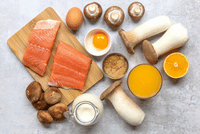
6 vitamin D-rich foods for your winter shop
1. Herring and kippers
Herring is the heavyweight of the list. Grilled, it contains 16.1mcg per 100g, so a standard 140g portion works out at roughly 22mcg, more than double your daily need. Kippers are a type of herring, which makes them a very respectable excuse for a proper weekend breakfast.
Try it: Grill a kipper and serve it on wholegrain toast with lemon and plenty of black pepper. Then open a window.
2. Salmon
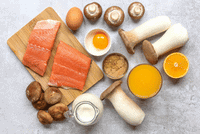
Steamed salmon has 9.3mcg per 100g, which means a 140g fillet comes in at around 13mcg. It’s also rich in long-chain omega-3. If fresh fillets feel like a stretch, tinned salmon is a useful stand-in, and the soft bones you can eat add calcium and phosphorus.
Try it: Roast a fillet on a tray with leeks and cabbage, or mash tinned salmon with spring onion for fishcakes.
3. Mackerel and tinned sardines
Grilled mackerel offers 8.5mcg per 100g, while canned sardines in brine have a more modest 3.3mcg. Sardines earn their spot on convenience alone. They live in the cupboard, they cook in minutes, and they also come with edible bones.
Try it: Flake smoked mackerel through warm lentils, or pile sardines on toast with chilli flakes and a squeeze of lemon. Tuna doesn’t count as oily fish, but 100g baked still has around 3.1mcg.

4. UV-exposed mushrooms
Mushrooms are the plant-based surprise of the bunch, with one catch. You need the kind exposed to UV light while growing, usually sold as ‘high in vitamin D’. One serving can provide more than your daily amount, according to the British Heart Foundation. Levels vary by brand, so check the pack.
Try it: Fold them into an omelette or a barley stew, and they’ll do a fine job for anyone skipping fish.
5. Eggs
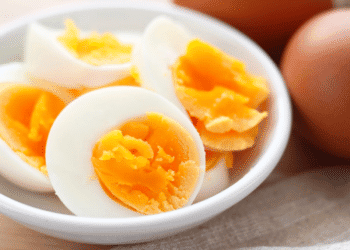
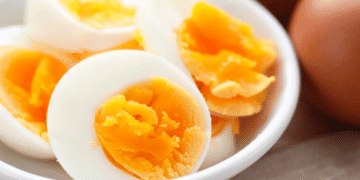
One egg contains around 1.7mcg, all thanks to the yolk, so two will get you about a third of the way to 10mcg. That’s a tidy return for something that takes four minutes to boil. As we found when we looked at how healthy eggs really are, there’s little reason to bin the yellow part.
Try it: Poach two eggs and serve them on toast with spinach, or add a boiled egg to a winter lentil soup.
6. Fortified foods
This is where the label reading comes in. Some fat spreads and breakfast cereals have vitamin D added, and the British Heart Foundation lists plant milks, juices and fruit yoghurts among the possibilities too. Amounts differ widely, and the sweeter options can be high in sugar. One point that surprises many people is that cows’ milk in the UK is not generally fortified, so your morning latte isn’t helping.
Try it: Compare two or three cereals on your next shop and pick a low-sugar one with vitamin D on the ingredients list.
How to work these vitamin D-rich foods into your week
The NHS recommends at least one portion of oily fish a week, with a portion being around 140g cooked. Girls, women who are planning a pregnancy or may have a child one day, and those who are pregnant or breastfeeding should have no more than two, because oily fish can contain pollutants.
Cooking method matters too. The NHS says steamed, baked or grilled fish is a healthier choice than fried, so save the batter for the occasional treat. If you’re pregnant, only eat smoked fish that has been thoroughly cooked. It’s also worth varying what you buy, as eating a wide range of fish helps protect stocks.
Red meat and liver also contain vitamin D, but only under 1mcg per 100g, so they’re not worth chasing for this reason alone. Liver isn’t suitable in pregnancy, either.
Here’s a simple pattern for spreading vitamin D-rich foods across your week:
- Monday: Eggs on toast for breakfast.
- Wednesday: Roast salmon or mackerel with winter vegetables.
- Friday: Mushroom and barley stew made with UV-exposed mushrooms.
- Sunday: Kippers or sardines on toast for a slow brunch.
The catch with food alone
Now for the honest part. Vitamin D-rich foods are worth eating, but they’re unlikely to do the whole job. Vitamin D is found in only a small number of foods, and the NHS says it’s difficult to get enough from food alone. A generous portion of herring is a great day, but it’s only one day.
That’s why government advice is that everyone should consider a daily 10mcg supplement during autumn and winter. That includes pregnant and breastfeeding women.
Some people are advised to take one all year round, including those who are rarely outdoors, live in a care home or usually cover most of their skin outside. If you have dark skin, for example an African, African-Caribbean or south Asian background, the NHS says you should consider it year round too.
More isn’t better. The NHS warns not to take more than 100mcg a day, as it could be harmful, and to follow your doctor’s advice if you’ve been told to take a different amount. The Royal Osteoporosis Society also suggests checking any other supplements you take, as they may contain vitamin D as well.
Also Read: The Bone Density And Weight Loss Injections Question Your GP May Not Raise
Your winter shopping list, sorted
Good vitamin D-rich foods won’t replace the sun, and they don’t need to. Pair them with a supplement, keep a few tins in the cupboard and let the kippers carry the rest. The sunshine should be back by April. Until then, your fishmonger is the next best thing.