



































































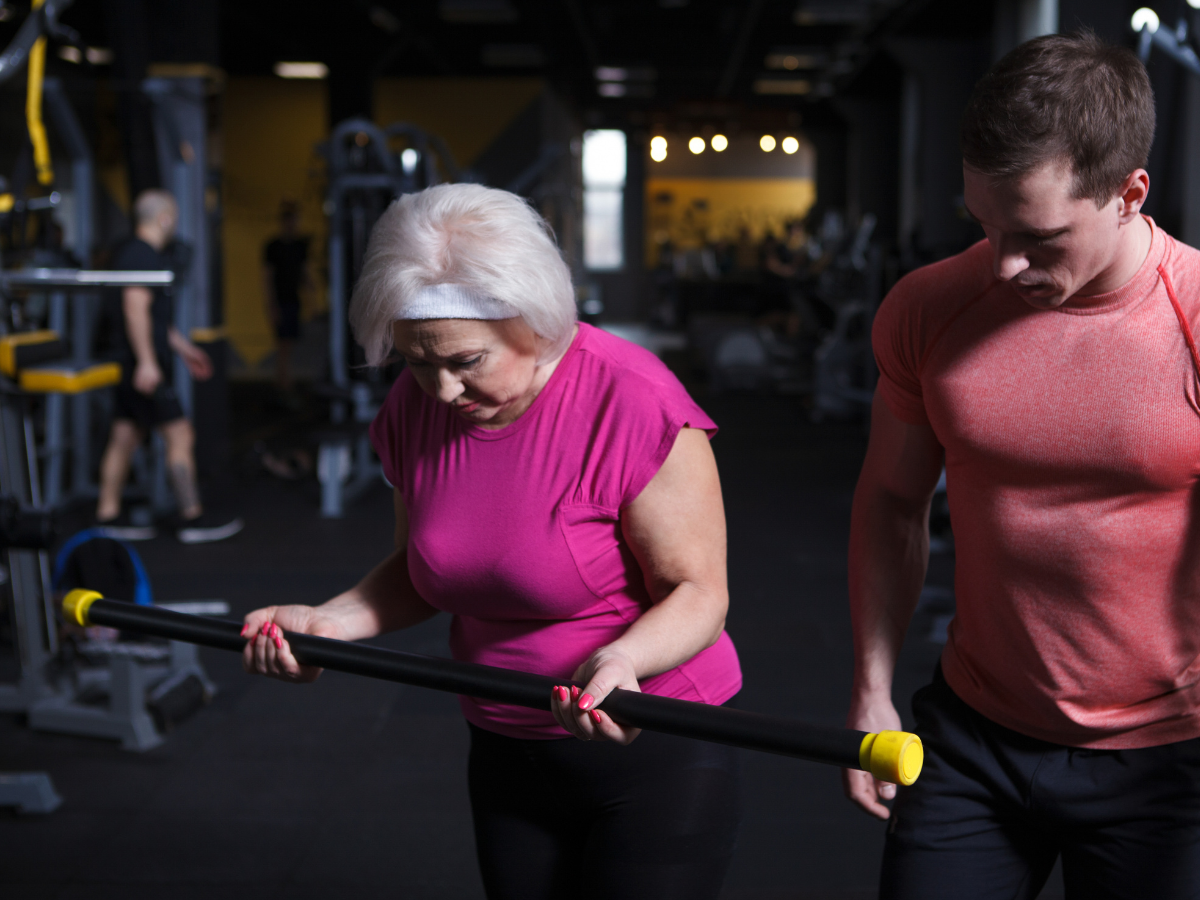
As you move into later life, staying strong and steady becomes less about “fitness goals” and more about keeping your independence firmly in your own hands (and feet).
Good balance, easy mobility and a body that still plays along make everyday life a lot smoother – whether that’s tackling stairs without negotiating them like a mountain climb or carrying the shopping without treating it like strength training.
One area that often gets overlooked is bone health. As the years go by, natural changes can gradually affect bone density, which is exactly why regular movement starts to matter more, not less.
As the years go by, natural changes can gradually affect bone density, which is exactly why regular movement starts to matter more, not less.
The encouraging part? There’s no need for anything extreme or punishing. The right exercises to increase bone density can help build a stronger framework, improve posture and keep you feeling more stable on your feet over time.
The real secret isn’t intensity – it’s consistency. Over time, these movements stop feeling like “exercise sessions” and start becoming simple, everyday habits that quietly keep strength, balance and long-term wellbeing ticking along in the background.
Also read: Build Better Bones: The Best Exercises for Menopause That Actually Work
Why exercises to increase bone density matter
Bones are living tissue, which means they respond to how you use your body. When movement places healthy stress on the skeleton, the body receives signals to maintain and strengthen bone tissue.
Such a practice becomes especially important during later life, when age-related changes may contribute to natural changes in bone mass.
The right approaches to increase skeletal strength help support the hips, spine and legs, which are common areas where bone loss may become more noticeable over time.
Regular movement also supports muscle vitality and coordination, both of which help reduce the risk of falls and injuries.
Rather than focusing on intense workouts, the emphasis should stay on steady, repeatable movement patterns that are easy to maintain over the long term.
Walking as one of the best exercises
Walking remains one of the simplest and most effective ways to increase bone density, particularly for those who want something sustainable.
A brisk 30-minute walk places healthy weight-bearing stress on the hips, legs and lower spine. These areas are especially important to support during and after later life.
The activity also improves circulation, endurance, and balance, making it easier to stay active throughout daily life. To increase the benefit, adding stairs or slopes can create greater resistance for the lower body.
Consistency matters far more than speed. A regular, sustained walk often supports better long-term results than occasional strenuous exercise.
Because this form of movement is accessible and easy to build into daily routines, it often becomes one of the most sustainable exercises to increase bone density over time.
A regular, sustained walk often supports better long-term results than occasional strenuous exercise.
Strength training that supports bone health
Resistance work is another essential addition to the exercises to increase bone density.
Activities such as squats, lunges, step-ups and light dumbbell work help place beneficial load on the bones while also strengthening the surrounding muscles. Such a combination supports both skeletal health and everyday mobility.
Squats and lunges are especially helpful because they target the hips, thighs and lower spine, all of which are key areas for bone support. Even light resistance bands or small hand weights can be effective when used consistently.
The goal is not heavy lifting but controlled movement that challenges the body enough to support skeletal maintenance.
Over time, these exercises to increase bone density also help preserve muscle mass, which naturally becomes more important during later life as lean mass may gradually decline.
Balance and stability exercises that protect bones
Skeletal strength is only one part of staying independent later in life. Balance and stability work should also be included among exercises to increase mineral density, not because they directly build mass in the same way resistance training does, but because they help reduce the risk of falls.
Simple exercises such as standing on one leg, heel-to-toe walking, controlled stretching and core-focused activities help improve coordination and posture.
These movements build confidence during everyday activities and make it easier to continue weight-bearing exercise safely.
Yoga and tai chi can also be valuable additions, as they promote body awareness, flexibility, and controlled strength. These are gentle, low-impact practices commonly used to improve balance and stability.
Together, these habits help protect long‑term skeletal integrity by lowering the likelihood of falls and fractures.
Nutrition aids exercises to increase bone density
Movement works best when complemented by proper nutrition. Leafy greens such as spinach, kale and Swiss chard provide calcium and magnesium, which help support bone structure.
Oily fish like salmon and sardines offer vitamin D and protein, both of which promote bone and muscle maintenance.
Eggs, nuts and seeds can also provide nutrients that work alongside exercises to increase bone density.
Rather than treating food and movement like distant cousins who barely speak, they work best as a well-matched duo. Pairing consistent activity with supportive nutrition builds a stronger foundation for long-term skeletal health.
The key is keeping things simple enough to actually stick with. Exercises to increase bone density work best when they’re realistic, repeatable and don’t require a motivational speech every time you do them.
The real win isn’t going all-in on intensity – it’s the quiet accumulation of habits that stack up over time like interest in a very patient savings account, steadily building strength, improving stability and keeping you confidently independent for longer.