



































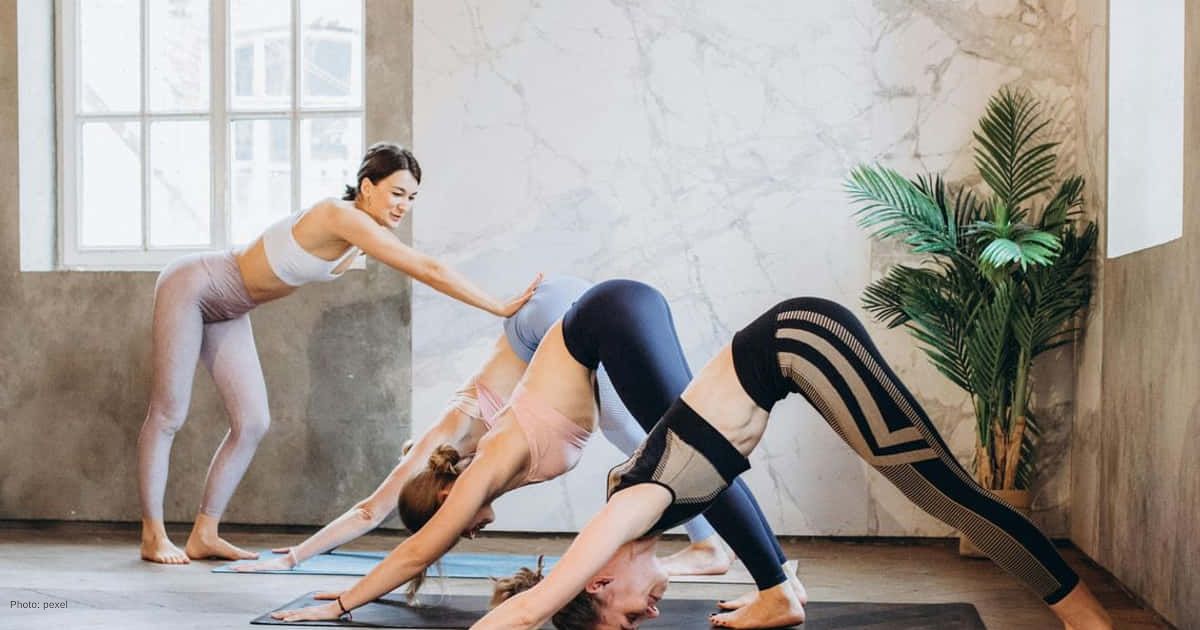
Yoga and Pilates arrive at a sensible moment for people who want movement without all the macho fuss. Through beginner-friendly mat work, reformer sessions, and guided yoga flows, both offer a calmer approach to exercise, one that feels realistic, encouraging, and far less likely to leave newcomers wondering whether they’ve accidentally ended up at bootcamp.
That gentle approach is part of the draw. Yes, health experts still recommend regular movement and strength training for adults, but let’s be honest: sticking with it is much easier when exercise doesn’t feel like punishment. That’s where yoga and Pilates shine. With steady structure and a refreshing less-is-more attitude, they give beginners a genuine way to build strength, improve mobility, and feel more confident, without turning wellness into an all-consuming personality trait.
Also read: 4 Week Beginner Reformer Pilates Plan
Pilates for beginners
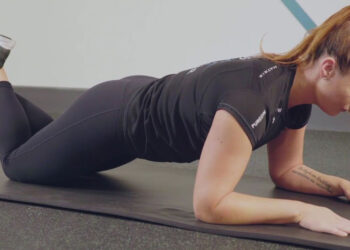
Pilates for beginners is actually rather refreshingly straightforward when taught well. You start with breathwork, core basics, and simple movement patterns before anyone expects you to do anything complicated. And honestly, that order makes perfect sense. Most beginners don’t need more intensity. They need clear instructions, steady improvement, and the reassuring sense that their body can handle this without rebelling.
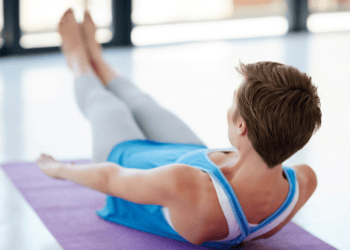
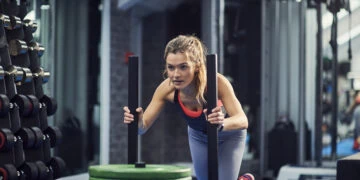
Beginner reformer Pilates follows the same sensible logic. Foundational exercises like footwork, shoulder bridges, the Hundred, and seated work are usually introduced in manageable stages, so control develops before things get more complicated. That makes reformer Pilates feel like the obvious next step rather than a sudden lurch into fitness theatre.
That emphasis on control also leads nicely to wider benefits. Once beginners understand alignment and core stability, the same skills can help in other activities too, which is why Pilates for runners makes sense here. It’s not a random extra. It’s the natural follow-up to learning how the body moves well in the first place.
It’s the natural follow-up to learning how the body moves well in the first place.
Yoga for anxiety
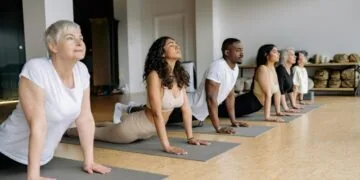
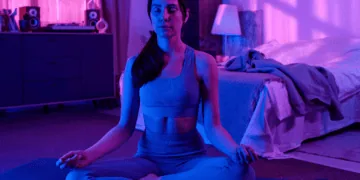
Yoga brings the same calm, practical energy. A well-structured beginner sequence breaks movement into manageable steps, focusing on alignment, breath, and rhythm rather than flashy poses. For people who like the idea of yoga but worry about feeling awkward, that makes the whole thing far more inviting. It turns uncertainty into something gentler, steadier, and much easier to come back to next time.
That welcoming set-up matters because yoga’s appeal goes well beyond the physical. It can support flexibility, balance, and strength, while also encouraging breathing patterns that help calm the mind. That’s why “yoga for anxiety” works best when used sensibly. It describes a supportive practice, not a miracle cure in a pair of leggings.
From there, making it a daily habit feels logical rather than forced. A morning yoga routine is simply the practical expression of those wider benefits: a short, steady session that helps beginners connect breath and movement before the day gets hectic. Less mystical fanfare, more useful ritual. For many, that’s exactly why yoga becomes a habit that actually sticks.
That’s exactly why yoga becomes a habit that actually sticks.
How beginners feel better
What makes yoga and Pilates especially effective is their refusal to overcomplicate the basics. They seem to recognise that beginners are often busy, cautious, and a tad sceptical of any programme promising enlightenment by next Tuesday. Instead, they offer a way to start with the basics and improve at a natural pace, making progress feel achievable rather than overwhelming.
Pilates builds confidence first, yoga brings in calm and consistency, and together they create a routine that genuinely feels sustainable. A mat in the living room, an early class, a routine that doesn’t demand perfection—that’s usually how beginners start feeling better from the inside out. Slowly and surely, without making a big fuss, those small sessions can improve posture, boost energy, ease stress, and make everyday movement feel a little less like an argument with your own body.