



























































Menopause can bring dread, denial or even dark humour.
For many, it feels like the body’s betrayal – hot flushes, mood swings, brain fog and sleepless nights. For others, it’s a relief (goodbye, monthly cycles). But one part that often gets overlooked, yet deserves centre stage, is mental health.
Depression, anxiety and irritability are common in menopause. Hormones play a role, but lifestyle matters too. Exercise can be more than fitness – it’s a real boost for both body and mind. Menopause can leave you feeling unlike yourself, but movement – walking, dancing or even yoga – might be the most affordable and effective therapy available.
When menopause meets mental health
As oestrogen levels drop, so do mood-regulating chemicals like serotonin and dopamine. The result? Hot flushes, mood swings, anxiety and even depression. Layer on everyday stress, ageing parents, busy careers, children and retirement worries, and emotions can feel overwhelming, especially if you’ve faced mental health challenges before.
Depression during this stage often looks like constant sadness, irritability, low energy or losing interest in things you once enjoyed. Sleep becomes unpredictable, focus is harder and random aches don’t help.
If this sounds familiar, it’s not “just being emotional.” Your body is shifting in ways that directly affect your mental health. Building a positive mindset and using simple coping tools can make the ride smoother.
Why exercise deserves MVP status
We’ve all heard “exercise is good for you” so many times it’s basically lift music. But during menopause, exercise isn’t just about staying fit – it’s about staying sane. Here’s the science-y bit (don’t worry, I’ll keep it light).
- Mood boost: Exercise triggers the release of endorphins, serotonin and dopamine, your natural antidepressants. Basically, movement can mimic what your hormones used to do for free.
- Stress buster: Physical activity lowers cortisol, the stress hormone that makes you feel like shouting at your email inbox. Regular movement is one of the best tools for stress management.
- Better sleep: Regular workouts regulate your circadian rhythm, helping you nod off faster and stay asleep longer (goodbye, late-night doom-scrolling).
- Sharper brain: Movement increases blood flow to the brain, which helps with concentration and memory – perfect for when you can’t remember your colleague’s name mid-conversation.
- Confidence kick: Sticking with an exercise routine can boost self-esteem, especially at a stage when your body feels like it’s changing without your permission.
Think of it this way: while you can’t stop menopause, you can give your brain and body the tools to handle it better. That’s the essence of mental fitness – building resilience and strength from the inside out.
Types of exercise that work best
Spoiler alert – the best exercise is the one you’ll actually do. But since menopause brings its own set of physical quirks, here’s a crib sheet.
Cardio (your heart’s BFF): Walking, swimming, dancing, cycling – cardio helps keep your heart healthy and lowers risks for conditions like diabetes and high blood pressure, which tend to creep up around this time. Bonus: it’s also a great mood booster. Aim for at least 150 minutes a week.
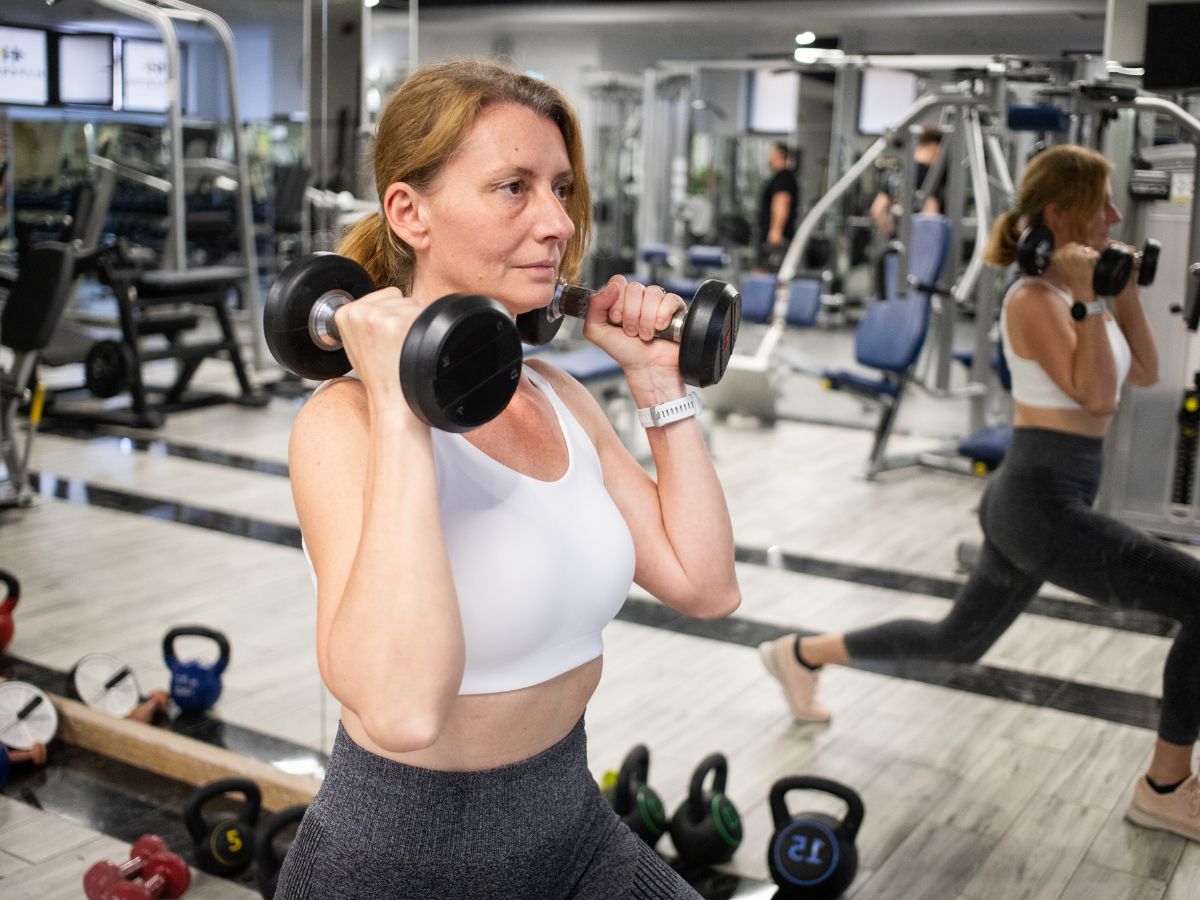
Strength training (Strong is the New Sexy): Oestrogen helps maintain bone density, so when it drops, your risk for osteoporosis rises. Weight-lifting or resistance training can slow bone loss and build muscle. Plus, nothing feels better than being able to carry all the shopping bags in one trip.
Yoga and Pilates (Zen and flexibility): If stress and anxiety are your daily companions, yoga and Pilates can help. These practices improve balance, core strength and flexibility while also calming the mind. They also reduce night sweats and hot flushes for some women.
Mindful movement (because sometimes you just need a stretch): Tai chi, gentle stretching or even slow walks can be just as beneficial when you’re not in the mood for a full workout. Small steps count – literally.
Not sure where to start? Focus on building exercise motivation rather than a “perfect” plan. Sometimes just putting on your trainers is victory enough.
Common roadblocks
Here’s the thing – just knowing exercise is good for you doesn’t magically make you want to do it. During menopause, fatigue, joint pain and a lack of motivation can make a Netflix marathon sound far more tempting than an actual one. That’s why it helps to start small: even ten minutes of stretching or walking is better than nothing, and once you get moving, you might find yourself wanting to keep going.
If hot flushes hit hard, work out early or late and wear breathable kit. For joint pain, stick to low-impact options like swimming, cycling or yoga. And when motivation fades, a mate or class can keep you moving while adding social support.
The social side of sweating
Let’s be real – menopause can feel isolating. You may not want to admit to colleagues that you’re sweating through your blouse or forgetting simple words. Exercise doubles as a social outlet, whether it’s a group class, a walking club or simply dragging a friend on a hike.
Research shows that women who feel supported (by family, friends or workout mates) report fewer symptoms of depression and anxiety during menopause. That’s one more reason to make exercise and menopause a package deal.
Beyond the workout: Lifestyle tweaks that matter
Exercise is powerful, but it works best when paired with other habits that support healthy ageing and longevity. Good sleep hygiene helps – stick to a bedtime routine, keep your room cool and avoid screens before bed.
Nutrition matters too, especially with the gut-mind connection. Whole grains, fruit, vegetables and fermented foods support digestion and mood, while the occasional treat still counts as self-care.
Avoid smoking and limit alcohol since both can worsen hot flushes and increase the risk of depression. Relaxation practices like meditation, deep breathing or massage are excellent tools for stress management.
Finally, don’t overlook sexual health. Menopause can affect libido and intimacy, so open conversations with your doctor and partner keep this part of life fulfilling.
Talking to your doctor
Menopause isn’t something you just have to “tough out.” If your mental health feels off, see your GP – they can check for physical causes, recommend therapy or medicines, and guide you to the right support.
Treatment often works best as a mix: lifestyle changes like exercise, plus counselling, hormone therapy or antidepressants if needed. It’s not about choosing one path, but finding what works for you.
Yes, menopause is messy, sweaty, emotional and overwhelming. But it doesn’t have to derail your well-being. With movement, depression-and-exercise strategies, healthy habits, community support and the right care, you can build stronger mental fitness and a brighter future.