



























































Ever get bored with the treadmill? Or the spin bike? Yeah, same here.
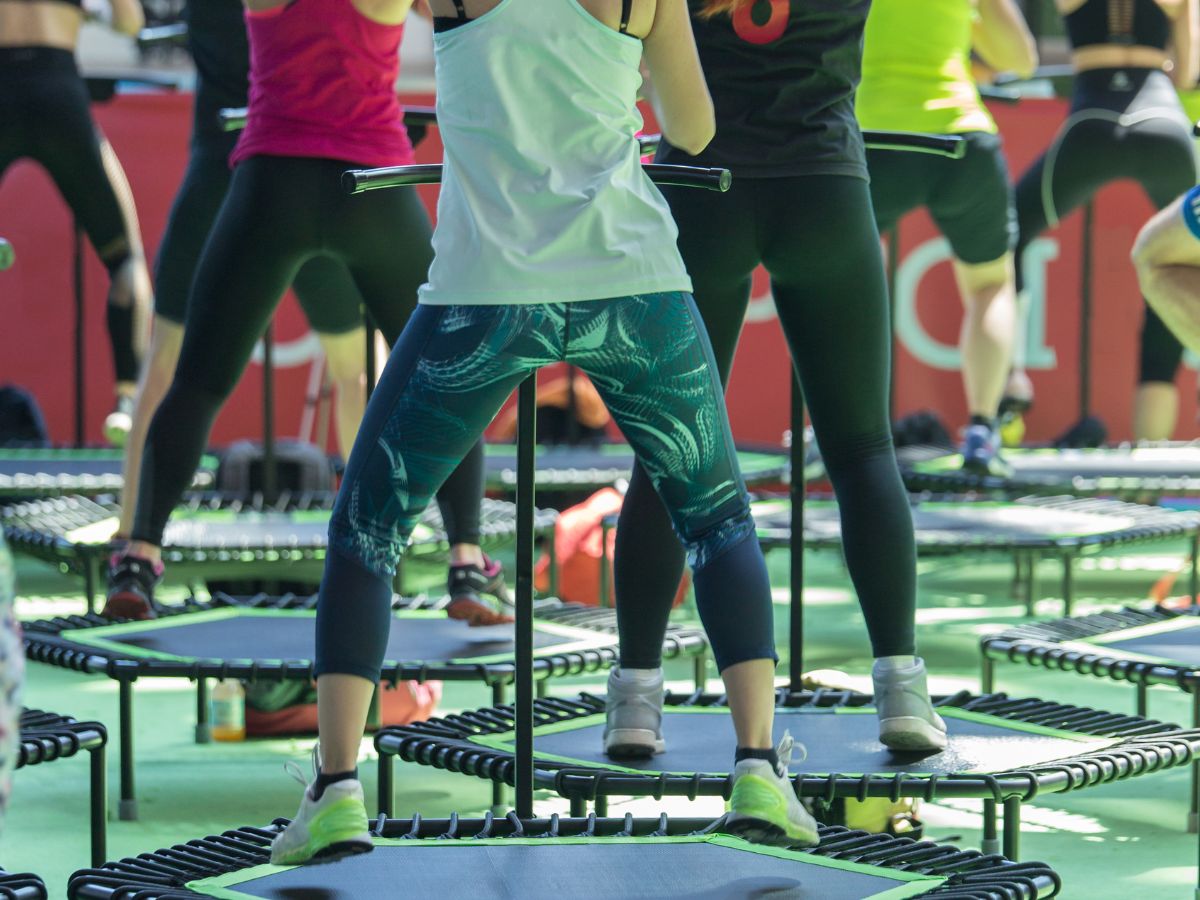
That’s why rebounding – jumping on a mini-trampoline like a big kid again – is stealing the spotlight in fitness circles. And don’t roll your eyes just yet; this isn’t simply playtime. Rebounding is low-impact, full-body and surprisingly effective.
You’ll work your heart, muscles and balance without feeling as though your knees are plotting their revenge. Plus, it’s fun. And let’s be honest, workouts that make you laugh a little are far more addictive than ones that make you groan.
Why rebounding works
Here’s the magic: when you jump, your body accelerates, hits a brief “weightless” moment and then lands softly thanks to the trampoline’s bouncy mat.
This neat bit of science recruits muscles everywhere – legs, glutes, core – without hammering your knees or hips the way tarmac would. Basically, you get the cardio benefits of running without the road-rage for your joints.
Basically, you get the cardio benefits of running without the road-rage for your joints.
Joint-friendly cardio that packs a punch
Think rebounding is just a few cute hops? Think again. Your stabiliser muscles – the ones that keep you upright and coordinated – work overtime. That’s why women over 50 who tried rebounding for 12 weeks showed major balance improvements in a 2019 study.
Even better, a 2016 study found it might improve aerobic fitness and fat-burn more efficiently than running. In short: less “ouch”, more “wow”.
Calories, mood and weight management
Let’s talk numbers, because who doesn’t love them? Someone weighing about 82 kilograms (around 13 stone) can burn roughly 96 calories in just twelve minutes of moderate bouncing. Lighter? You’ll still burn a solid 75 calories.
And the bonus: rebounding encourages the release of endorphins – those feel-good hormones that make you want to keep moving. Say goodbye to emotional eating and hello to a positive start to your morning. Plus, it revs your metabolism and helps stabilise blood sugar – all the nerdy science stuff that really matters.
Your lymphatic system
The up-and-down motion isn’t just for giggles. It nudges your lymphatic system into action, flushing out toxins, boosting immunity and even helping with bloating. You’ll feel lighter, cleaner and oddly heroic.
It nudges your lymphatic system into action, flushing out toxins, boosting immunity and even helping with bloating.
Add in improved circulation, stronger bones and muscles, and better mental health, and suddenly your childhood trampoline looks like a fully-fledged wellness tool.
Also read: Sweat, Science, and a Dash of Cheek: The Ultimate Stamina Guide
Getting started (no cartoon moves required)
So, how do you turn this back-garden nostalgia into a serious workout? It’s easier than you think. Start with 5–10-minute sessions and build your confidence before you go full Hulk on the rebounder. Safety first: if you have balance issues, recent injuries or are pregnant, check with a professional.
Top moves to rebound your way fit
1. High bounce: Jump freely and let your whole body wake up – perfect for shaking off sleep or stress.
2. Bounce down: Press through your heels and feel your core and glutes fire up without any joint strain.
3. Front–back: Slide your feet forwards and back to boost balance, coordination and trampoline confidence.
4. Star jumps (jumping jacks): Your favourite classic cardio, now bouncier – arms, legs and heart all get a workout.
5. Scissors & surf twist: Mix staggered feet and torso twists to sculpt obliques, sharpen coordination and add a bit of flair.
6. Ski, run, knee drive, kick: Take it up a notch with moves that challenge legs, core and endurance for a serious calorie burn.
Do them in short bursts at first, then level up with wrist weights or longer sessions. Your inner child will cheer, your body will thank you and your joints? Still intact.
Why older adults should care
Rebounding isn’t just for Millennials or TikTok fitness stars. Short, daily sessions can improve balance, leg strength and independence, all while keeping joints safe. Research even links regular activity like this to a lower risk of chronic diseases and certain types of cancer.
Rebounding is more than nostalgia. It’s a versatile, low-impact, full-body workout that improves strength, balance, mood and metabolism. And the best part? It’s fun enough that you’ll actually want to do it. So grab a mini-trampoline, jump in and reclaim your inner child – your body (and sanity) will thank you.
This content is for general information only and not a substitute for professional advice. Please check with a healthcare provider before making changes to your fitness or diet.