
































































You roll up your sleeves, catch sight of your reflection, and think, “Alright… nearly there.” The arm appears stronger than it did last year. A hint of shape shows when you flex. Yet the sculpted look seen in fitness magazines still feels just out of reach.
So what actually creates that defined arm? Is it endless curls? Press-ups until your triceps have had enough? Some magical exercise whispered about in changing rooms like a gym myth?
The real answer is far more interesting. Arm definition emerges from a blend of muscle, body composition and movement patterns that work together behind the scenes. That sculpted look you’re after has a lot happening beneath the surface.
Your arms have a design team
Start with the obvious player: muscle. Your arms contain several major muscles that create the curves and lines people associate with tone. The biceps sit at the front of the upper arm. The triceps make up the back. The shoulders form the cap that frames everything above.
But here comes the surprise. The triceps make up roughly two-thirds of the upper arm’s muscle mass. In other words, the muscle many people overlook carries the largest responsibility for arm shape.
Also read: Why Your Arms Might Prefer Pull-ups Over Dumbbell Curls
Yes, the biceps get the Hollywood spotlight. Flexing one feels dramatic. A classic gym move. Arnold Schwarzenegger built an entire cinematic legacy around that pose. Yet the triceps quietly provide the fullness that makes arms look firm from the side and back. Think of them as the stage crew that makes the show possible.
Then come the supporting cast. The brachialis muscle lies beneath the biceps and pushes that muscle upwards as it grows. The forearms control grip strength and provide visual balance between elbow and wrist. Strong forearms signal functional strength. They also help the rest of the arm look complete rather than top-heavy.
Consider a simple, everyday moment. You pick up a heavy shopping bag. Your biceps help bend the elbow. Your forearms grip the handles. Your triceps stabilise the joint. Suddenly the whole team is at work.
Muscle architecture shapes the silhouette long before lighting or camera angles come into play. Build the structure first. The definition follows.
Muscles sometimes play hide-and-seek
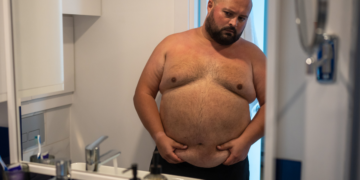
Here comes the bit people often overlook. Muscle can grow beneath the skin while remaining invisible if body fat levels stay high. The muscle is there. It simply hides under a layer that softens the outlines.
Body fat levels determine how visible the muscle becomes. As fat decreases, the lines between muscles start to show. That curve along the triceps becomes clearer. The shoulder starts to stand out from the upper arm. Suddenly the arm looks sculpted rather than smooth.
This explains a common gym mystery. Two people follow similar workouts for months. One shows visible muscle definition. The other looks stronger but less defined. The difference often comes down to body composition rather than training effort.
Two people follow similar workouts for months. One shows visible muscle definition. The other looks stronger but less defined. The difference often comes down to body composition rather than training effort.
Nutrition plays a major role here. A balanced diet that supports fat loss while preserving muscle gradually reveals the shape beneath the skin. Protein intake helps maintain muscle. Calorie balance influences fat levels. The process takes time, patience and a bit of sticking with it that feels heroic on hectic weekdays.
The reward comes slowly. One day you reach for a mug on the top shelf and notice a small line near the shoulder. A few weeks later your arms display shape even while relaxed. No big announcement. Just a quiet upgrade. Fitness progress often sneaks up like that.
The best arm exercises rarely look flashy
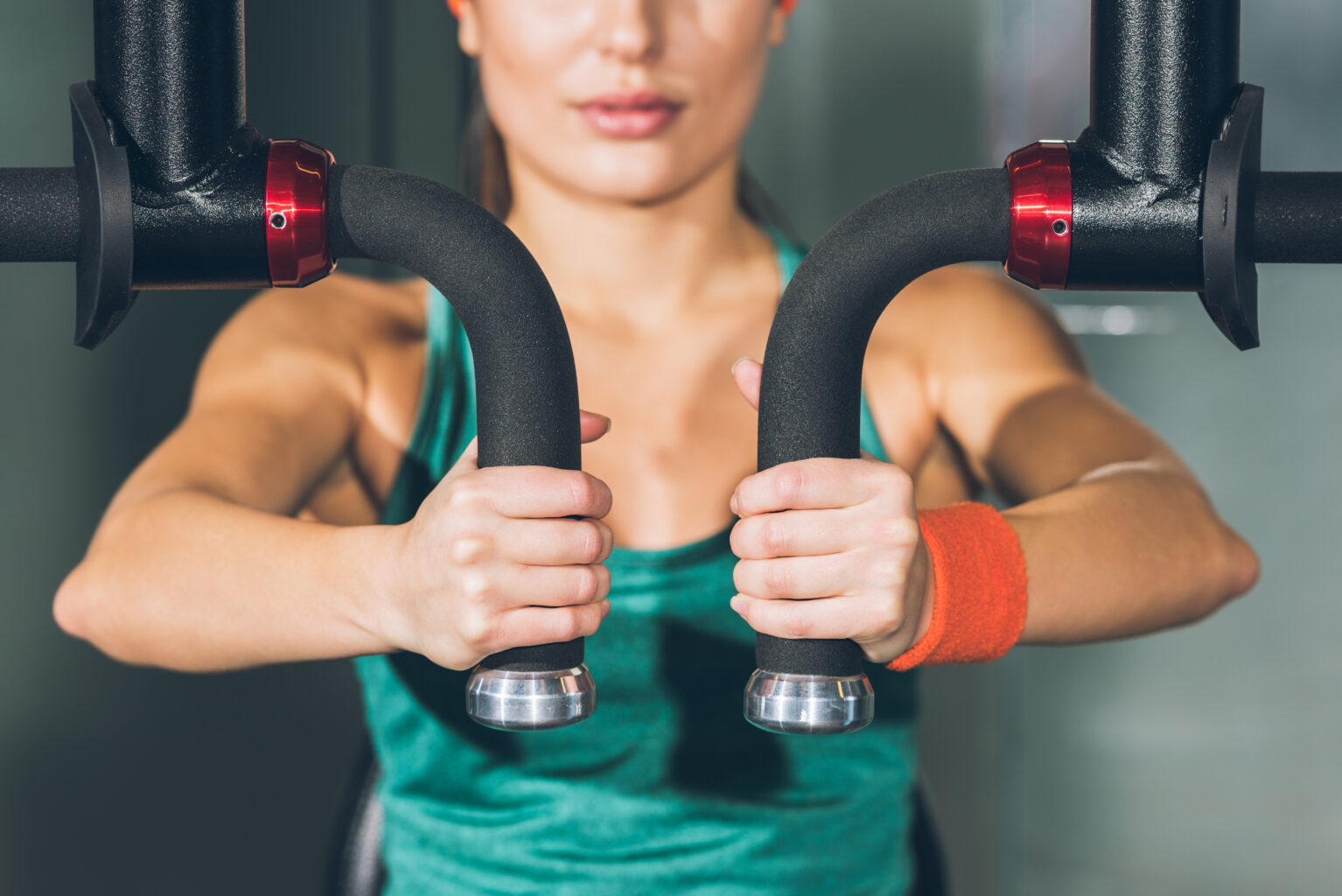
Now we come to the bit many workout plans miss. Arm definition thrives on movement patterns that engage multiple muscles together. The body rarely isolates just one muscle in everyday life. It prefers teamwork. Compound exercises bring that teamwork into the gym.
Press-ups challenge the chest, shoulders and triceps at the same time. Pull-ups work the back, biceps and forearms. Rows train the upper back while the arms assist with pulling power. These movements create functional strength that spreads through the whole upper body.
Press-ups challenge the chest, shoulders and triceps at the same time. Pull-ups work the back, biceps and forearms. Rows train the upper back while the arms assist with pulling power.
Picture someone lifting a suitcase into the overhead locker on a plane. The movement uses shoulders, arms, back and core together. That coordinated effort builds real-world strength and contributes to visible tone.
Isolation exercises still have a place. Bicep curls and tricep extensions help strengthen specific muscles. They refine the structure built through larger lifts. Yet relying only on isolation work can feel like building a house with just decorative bits. The foundations matter more. A balanced routine often includes both. Compound lifts for strength and muscle recruitment. Targeted moves for detail work.
The great arm shape lottery
Everyone carries arm definition differently. Some people develop rounded biceps quickly. Others build noticeable shoulder definition first. Some have strong forearms that make every handshake feel like a mini arm-wrestling contest.
Genetics play a role here. Muscle insertion points and bone structure influence how muscles look once developed. Two people can train in exactly the same way yet display different shapes. Rather than chasing someone else’s exact look, the smarter goal is to build strength and muscle relative to your own build.
Your arms tell your story. The hours spent carrying shopping, lifting weights, moving furniture, playing sports or battling with stubborn jar lids. Every movement adds another chapter.
And that sculpted look everyone talks about? There’s no secret formula for it. No mysterious trick. Just regular training, smart nutrition and a body adapting over time.