


























































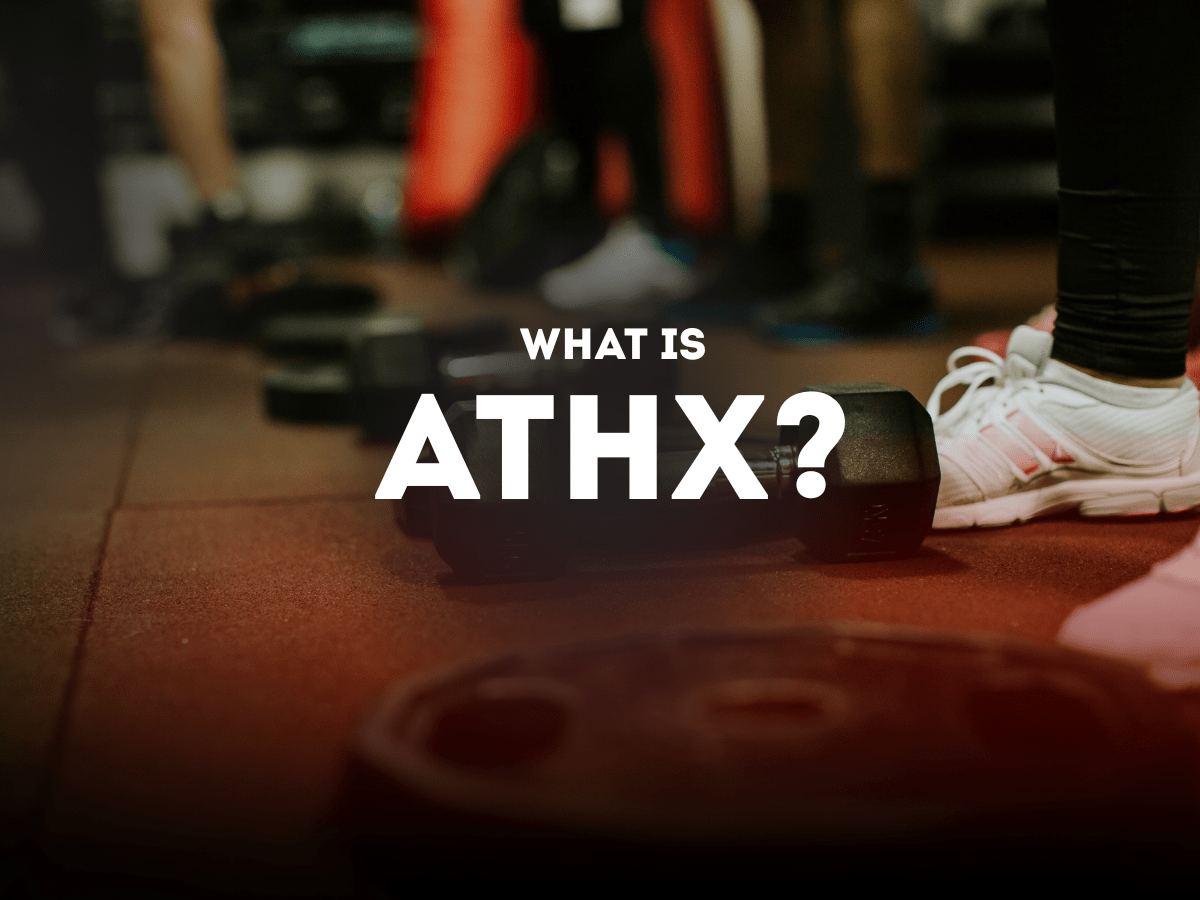
If you’ve noticed people at your gym mentioning ATHX Games between sets, you’re not imagining it. A new hybrid fitness format is starting to sit alongside Hyrox as the thing serious gym-goers are talking about, and it’s happening fast.
Here’s what’s actually driving the buzz, and whether it’s worth your attention.
What ATHX actually involves
ATHX is a continuous 2.5 hour competition split into six zones, according to BLK BOX and the official ATHX site:
- Warm Up Zone to mobilise and get race ready
- Strength Zone for maximal lifts
- Refuel Zone to rehydrate and recover
- Endurance Zone for sustained conditioning work
- Recovery Zone to reset before the final push
- Metcon X Zone as the closing test of functional fitness
Three zones are competitive and three are built purely for recovery, so athletes lift, carry and grind through short bursts of conditioning without racing flat out the entire time. Clear divisions mean first timers and experienced competitors race on the same day without the same expectations.
It’s a British format too. ATHX was founded in the UK in 2023 after two existing event organisers, Strength in Depth and National Fitness Games, joined forces. The idea, according to founder Mark Hartnett-Morgan, was to build something with Hyrox’s accessible structure but with a fuller test of fitness, rather than one leaning mostly on endurance. From five UK events in 2023, it’s now running across ten countries. (Source: Velites Sport)
1. Search interest has jumped hard
UK interest in ATHX Games has risen sharply this year, with searches for the format up 219% according to data cited by fitness equipment brand BLK BOX. That kind of spike usually means one thing: word of mouth in gyms is doing more work than any marketing budget.
For context, Hyrox has followed a similar path. The BBC has reported a 1,000% rise in Hyrox participation over the past five years, so a format posting triple-digit growth this early is worth watching rather than dismissing as a fad.
Also read: Could HYROX Become Your New Friday Night Ritual?
2. It taps into the same hybrid training shift
Gym culture has been moving away from single-lane training for a while now. Fewer people want to be purely a lifter or purely a runner. Strength and conditioning work is increasingly framed around health, mobility and everyday function rather than personal bests or aesthetics, a shift reflected in this year’s global fitness trends reporting. ATHX slots neatly into that mindset, giving people a structured way to build both engine and strength without picking a lane.
3. It offers a fresh goal for people who’ve already done a Hyrox
Plenty of gym-goers have ticked off a Hyrox race and are now looking for the next challenge. ATHX is being positioned by its founders as a heavier, more strength-forward alternative, which gives that crowd somewhere new to point their training. A goal on the calendar tends to keep people consistent for longer than a vague intention to “get fitter”, and that’s exactly the kind of structure a lot of members are chasing right now.
4. Gyms are picking it up as a community draw
Group training formats have become a genuine growth strategy for UK gyms. Running clubs, Hyrox prep sessions and now ATHX-style training days are being used to build a sense of belonging among members, something coaches increasingly see as central to keeping people showing up. If your gym starts running ATHX sessions, it’s less about chasing a trend and more about giving members a reason to train together.
Should you bother trying it?
You don’t need to overhaul your programme to get involved. If you already do some strength work and some conditioning, you’re closer to ATHX-ready than you might think. Worth keeping an eye on your local gym’s class timetable over the next few months, since this is exactly the kind of format that tends to show up there before it hits the mainstream.
Whether ATHX becomes the next Hyrox or fades into gym history, the bigger story is a good one. More people are training for something, together, and that’s a trend worth backing regardless of what it’s called.