

















































Health advice seems to change faster than your unread notifications, shifting so quickly that it’s hard to keep up.
For women living with Polycystic Ovary Syndrome (PCOS), that flood of information can make the search for answers feel like a full‑time job.
GLP-1 therapies, first designed for type 2 diabetes, are now stepping into this condition’s care with surprising promise. They’re a new tool to work with, especially when paired with exercise and day‑to‑day routines.
Understanding the complexity of PCOS
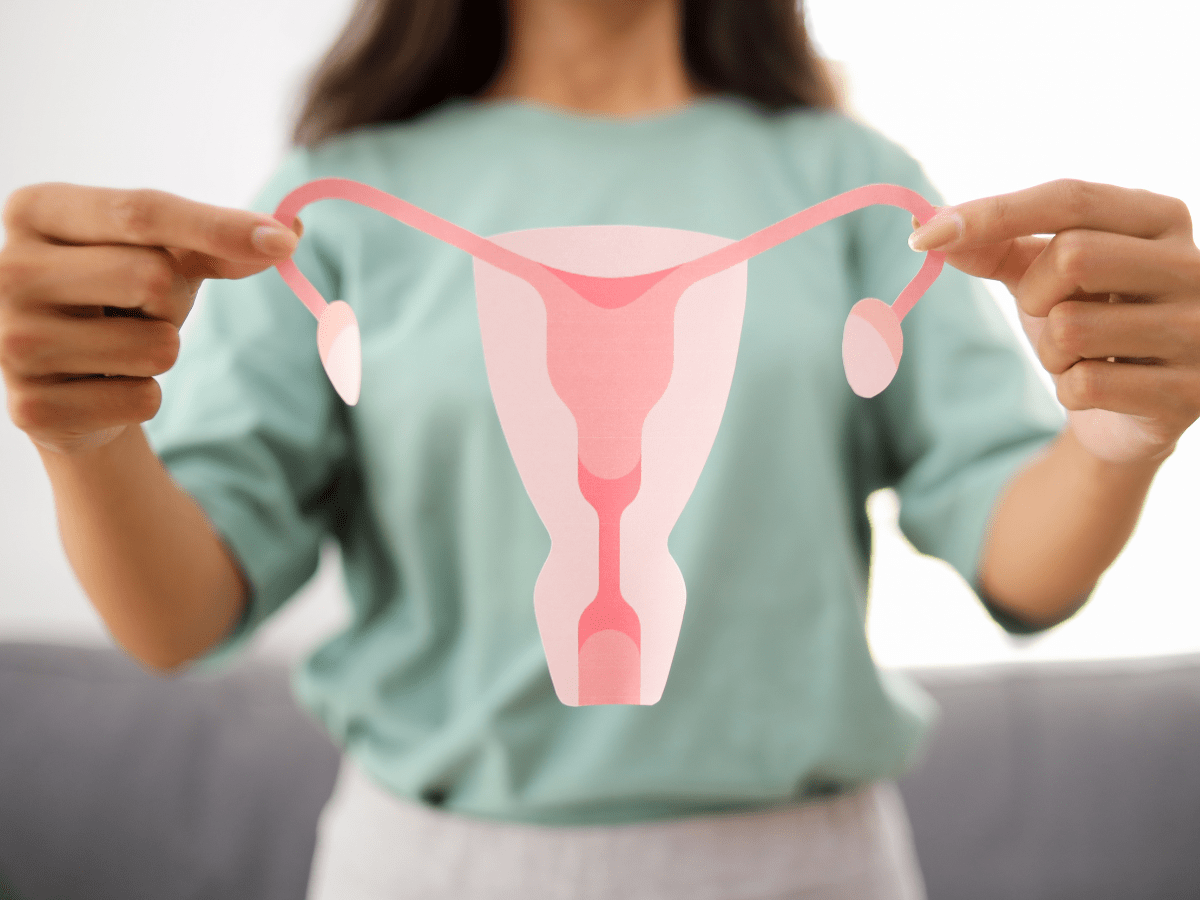
PCOS, or polycystic ovary syndrome, is one of the most common endocrine disorders affecting millions of women of reproductive age worldwide.
In simple terms, it is a condition where hormones and metabolism do not quite stay in sync, which then shows up in several different ways across the body.
The metabolic side of PCOS is where things get more complex. Insulin resistance often plays a central role, meaning the body does not use insulin efficiently. That can drive stronger hunger signals, more frequent cravings, and a tendency to store fat around the midriff.
Alongside that, elevated androgen levels can influence symptoms like skin changes, hair growth patterns, and menstrual irregularities.
Add chronic low-grade inflammation into the mix, and the system starts to feel like it is stuck in a loop that keeps reinforcing itself.
So instead of one clear cause, PCOS behaves more like a chain reaction where insulin resistance, hormones, and inflammation keep feeding into each other.
Reframing PCOS with GLP-1
Cue the GLP‑1 receptor agonists, with names like semaglutide and tirzepatide. These medications mimic the natural GLP‑1 hormone your gut releases after eating, helping regulate blood sugar and appetite.
By activating the right receptors, they improve insulin sensitivity, slow down how quickly food leaves the stomach, reduce appetite, and boost satiety. In short, they go straight to the metabolic disruptions that make PCOS so stubborn.
The benefits stretch beyond weight loss. These therapies can reduce inflammation and may even lower reproductive hormone levels, offering a broader way to manage symptoms.
And here’s the headline you might have missed: on 12 May 2026, at the European Congress of Endocrinology in Prague, experts adopted the term polyendocrine metabolic ovarian syndrome (PMOS) in place of PCOS.
The new name highlights the condition’s hormonal and metabolic roots, moving past the old cyst‑centric label that never fit everyone’s experience.
Exercise as the essential partner to the therapy
GLP‑1 medications pack a punch, but they hit harder when teamed up with regular workouts. Think of exercise as the co‑star that keeps muscle strong, the heart happy, and long‑term weight management on track.
Resistance and cardio: the dynamic duo
Weight loss can sneak away with muscle as well as fat, which is why resistance training matters. Sixty to ninety minutes a week with weights, bands, or bodyweight keeps metabolism humming.
Cardio brings its own magic: brisk walks, cycling, or swimming build heart and lung power. The sweet spot? About 150 minutes of moderate activity or 75 minutes of vigorous effort each week.
Timing, side effects, and smart add‑ons
GLP‑1s slow down how quickly food moves through the stomach, so timing workouts is key. Early on, stick to low‑to‑moderate intensity and aim for sessions two to three hours after meals to dodge nausea.
A light snack with carbs and protein can help if energy dips. Once your body adjusts, high‑intensity interval training can join the mix, while yoga or tai chi adds balance and stress relief.
Nutrition and hydration as lifestyle anchors
If you’re on semaglutide or similar gut‑hormone treatments, protein is the key player that keeps muscle strong, but it’s easy to overlook.
Appetite drops, meals feel smaller, and hitting your daily protein target of 0.8 to 1 gram per pound of body weight starts to feel like a bit of a puzzle.
The trick is to front-load it. Go for it early in the day when your appetite is still cooperating, instead of trying to wrestle down a heavy dinner that might come back with a side of nausea.
Think of easy wins like protein shakes, Greek yoghurt, cottage cheese, or lean meats that do the job without making you feel overstuffed.
Hydration is the other non-negotiable. Dehydration can sneak up on you, and suddenly, nausea or vomiting comes knocking, especially around workouts.
Aim for at least 8 to 10 glasses of water daily, then top up before and after exercise. If your session runs longer, a low-sugar electrolyte drink can help keep things balanced without causing a sugar rush.
Personalised approaches and genetic insights
Gut‑hormone medications do not land the same way for everyone, and that is where things get interesting.
Genetics can shape how your body handles appetite, energy use, and hormonal signals, which means two people can follow the same plan and still get very different results.
A deeper look through genetic testing can sometimes help make sense of it. It can point to patterns around appetite control or fat storage and, in turn, help fine-tune things like training intensity, how long you work out, and even when you eat around exercise.
For women with PCOS considering GLP-1 therapy, the conversation gets even more important. Talking openly with a healthcare provider is key, especially when pregnancy is part of future planning.
These medications are generally used as long‑term management tools for a chronic condition, and stopping them can lead to weight regain for many people. That said, some research shows that a fair number of patients still maintain weight loss one year after discontinuation, so it is not a one‑size‑fits‑all outcome.
There is also a strict safety layer here that cannot be skipped. For women of reproductive age, effective contraception is required while using diabetes and weight‑management medications.
And before trying to conceive, a mandatory washout period is needed so the medication fully clears the system.
The pause is basically a reset. The drug leaves your system, and the body’s ready for pregnancy without the extra risk.
Here’s a part people also often miss. Skipping meals and exercising on an empty stomach might sound disciplined, but on GLP-1 medications, it can backfire fast. You end up tired, lightheaded, and short on nutrients your body actually needs to function well.
A steady approach with nourishing foods and enough energy is not just smart, it is what keeps everything running without those unpleasant surprises.
GLP‑1s as part of a holistic plan
These newer medicines are quickly becoming a meaningful option in PCOS management, especially because they do not just target one piece of the puzzle.
They speak to the metabolic and hormonal complexity in a way that feels more tailored than traditional approaches.
But here is the real story. The medication is only part of it. Pair it with a steady exercise routine, smart nutrition, and good hydration, and suddenly, you are not just managing symptoms, you are building something more stable day to day. It’s like putting together a solid team where every player actually shows up.
The best results tend to show up when everything works together, with medication, lifestyle, and consistency all pulling in the same direction instead of competing for attention.
And as always, the most effective plan is the one shaped around you. Your body, your patterns, your reality. Add expert medical guidance into that mix, and you get a much clearer path through what can otherwise feel like a very complicated landscape.

Keep reading: Maintain, our weight loss and muscle hub | The Real Reason GLP-1 Drugs Change How We Eat | Nobody Warns You About The Weight Loss Jab And Energy Crash | What The Data Actually Says About Weight Regain After Stopping Weight Loss Jab