
























































For a lot of people on GLP‑1 drugs, the real surprise isn’t just the weight coming off. It’s how food suddenly feels less demanding.
That constant chatter about eating quiets down, favourite snacks lose some of their grip, and the habit of reaching for food just because it’s there feels easier to resist. Researchers are paying attention because this goes beyond simple appetite suppression.
Ozempic and Zepbound were designed for type 2 diabetes and weight loss, but the way they shift eating behaviour raises a bigger question: why do cravings feel less in control for some users?
The answer seems tied to the messy mix of hormones, hunger signals, habits, and the brain’s reward systems, a reminder that food isn’t only about the stomach; it’s about the mind too.
Appetite: not just about an empty stomach
For years, the way we talked about weight management often came down to a simple idea: eat fewer calories, move more, and have enough willpower to stick with it. Easy to say, right? The reality is much more complicated.
Scientists now understand that eating behaviour is shaped by a whole network of signals happening behind the scenes.
Hunger is not just your stomach telling you it is time for lunch. It is influenced by hormones, blood sugar levels, emotions, memories, your surroundings, and the brain’s reward system.
That explains why you can crave a certain food even when you are not physically hungry. Maybe it is the snack you always reach for after a stressful day, the dessert linked to a favourite memory, or the food that has simply become part of your routine.
The brain does not just respond to energy needs. It also responds to habits, emotions, and rewards.
GLP-1, or glucagon-like peptide-1, is a hormone naturally produced in the body that helps regulate blood sugar and appetite. GLP-1 receptor agonists mimic these signals, helping people feel fuller and changing how the body responds to food.
But researchers are finding that the story may not end with digestion. These medicines appear to interact with signals involved in motivation and reward.
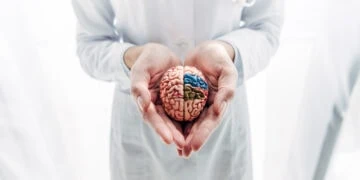
Think amygdala for fear and worry, hippocampus for memory and emotional balance, prefrontal cortex for self-control, and nucleus accumbens for motivation and pleasure. In other words, the core circuits behind mood and impulse. It could help explain why some people report a different experience around eating.
The cravings may not disappear completely, but the constant pull toward certain foods may become easier to manage.
The mystery behind food noise
One phrase has been popping up more and more among people taking GLP-1 medications: food noise.
It is not an official medical term, but it describes something many people say they experience: a constant background chatter about food. It can look like thinking about what to eat next, planning snacks before you are even hungry, feeling pulled toward certain foods, or finding it difficult to ignore cravings.
For some people, taking GLP-1 medications feels like someone has simply turned down the volume on those thoughts. Food is still there, and meals can still be enjoyable, but the mental pull does not feel quite as loud.
Experts are paying close attention because cravings are not just about your stomach rumbling. Highly rewarding foods can activate brain pathways that encourage repetition, creating strong connections between a specific food, a pleasurable feeling, and the desire to experience it again.
GLP-1 medications may influence these reward responses, which could explain why some people say they can enjoy food without feeling the same urgent need to keep eating or return to a particular craving.
The difference is subtle, but it matters. The goal is not to make food boring or remove enjoyment from eating. It is about changing how strongly the brain reacts to certain cues and making cravings feel easier to manage.
Why reward pathways matter
The science behind cravings involves several areas of the brain that help determine motivation and decision-making.
The nucleus accumbens, a region involved in reward, motivation, and pleasure, plays an important role in determining how strongly something feels appealing. Dopamine signalling in this area contributes to reinforcement, which helps explain why certain actions become repeated.
Food is one example. A person may continue reaching for a snack because the brain remembers the reward associated with it, even after physical hunger has disappeared.
Researchers are exploring whether GLP-1 receptor activation alters these responses by attenuating reward signals associated with highly appealing foods.
That does not mean the medication removes choice. Instead, it may create more space between an impulse and an action, making it easier for some people to make different decisions.
Brain scans reveal changes in food responses
Scientists are using imaging techniques to better understand what happens when people encounter food-related cues while taking GLP-1 medications.
Using brain scans, experts have examined activity in areas linked to reward, motivation, and self-control. Some findings suggest these medicines may reduce responses in reward regions when people view or think about tempting foods.
Researchers are also studying communication between areas involved in impulse control and deeper reward networks.
The important question is not simply whether these medications reduce appetite. It is whether they change the way the brain evaluates rewards.
If a favourite dessert still looks appealing but creates less of an automatic urge, that could help explain why some users report feeling more in control around food.
The addiction connection
The same reward pathways involved in food cravings are also connected to other compulsive behaviours.
Alcohol, nicotine, and other substances activate brain systems linked with motivation and reinforcement. Because GLP-1 medications appear to influence some of these circuits, researchers are investigating whether their effects could extend beyond eating behaviour.
Analyses have explored possible links between GLP-1 treatment and changes in substance use patterns.
Some large observational studies have reported lower rates of substance-related health events among people taking these medications.
However, researchers are not suggesting that the drugs are addiction treatments. The evidence is still developing, and scientists are working to understand whether any effects come from direct changes in reward pathways, improved metabolic health, or broader lifestyle changes.
The interest comes from a shared biological question: why do some urges become difficult to control?
What happens when treatment ends
One of the biggest unanswered questions is whether these changes in cravings last after people stop taking GLP-1 medications.
If the drugs reduce food-related reward signals, do those effects continue after treatment ends? Or do old patterns gradually return?
Experts are also examining whether people develop different habits during treatment. A person who experiences fewer cravings may find it easier to build healthier routines, but maintaining those changes after stopping medication remains a challenge.
This matters because long-term weight management is not only about reducing appetite. It also involves behaviour, environment, and the relationship people have with food.
A new way to understand eating patterns
The growing interest in GLP-1 medications is revealing something bigger about human decision-making.
Eating is not controlled by willpower alone. It is influenced by a constant conversation between hormones, the body, memories, emotions, and reward systems.
The drugs are giving researchers a new way to study that conversation. Their importance may come not only from helping people lose weight but also from showing how deeply biology shapes cravings and decision-making.
The biggest discovery may be that appetite is far more complicated than simply feeling hungry or full. It is a system built around signals, rewards, and learned actions. Scientists are only beginning to understand how changing one part can influence the rest.