




















































You might still love eating exactly the way you always have. The full English fry-up that feels like a warm hug. The biscuits that vanish long before the brew’s stopped steaming. The crisps you swear you’ll just pick at but polish off without thinking.
And honestly, fair play. Food is pleasure. Food is comfort. Food is food.
But sometime after you hit 50, your body starts leaving little Post-it notes. Nothing dramatic. Just quiet comments like, “That hefty supper? Yes, we’re still dealing with it,” or “Sugar sounds fun, but I hope you’ve cleared your diary for the crash.” It’s not punishment. It’s simply your body saying, “We can still do all this. We just need a slightly savvier game plan now.”
And honestly, once you listen, everything becomes so much easier.
The quiet shift happening behind the scenes
Even if you feel young, your body is doing a subtle reshuffle. Think of it like rearranging the loft. The structure’s still sound, but the contents have shifted. Muscles naturally ease off a bit. Bones enjoy a little more attention. Your metabolism swaps its trainers for sensible shoes. Your digestion grows more opinionated than a London cabbie.
Think of it like rearranging the loft. The structure’s still sound, but the contents have shifted.
It’s not a catastrophe. It just means your default settings have changed. And once you understand why certain foods hit differently now, making small tweaks feels less like a faff and more like basic self-respect.
When old eating habits start sending you the bill
Before we talk about what to add to your plate, let’s have a quick honesty check about the habits that quietly stop pulling their weight after 50.
Fried food? Still glorious. Still essential for morale. Still the quickest way to make your heart mutter, “Really? At our age?” Eat it, relish it, but maybe don’t make it your nightly routine.
Sugary drinks? Lovely for ten minutes. Then you’re flat, tetchy and wondering why you suddenly feel ancient. Over time, regular high sugar intake is linked to long-term issues involving blood sugar regulation. Refined bread? Another tasty carb, but absolute mayhem. It digests so fast you’re peckish again before you’ve even put the toaster back.
Refined bread? Another tasty carb, but absolute mayhem. It digests so fast you’re peckish again before you’ve even put the toaster back.
Salted and ultra-processed snacks are another sneaky culprit. Packet soups, tinned meals, processed meats and those innocent-looking meal deals seem harmless, but many are laden with sodium. Too much of it becomes a major enemy of healthy blood pressure and raises the risk of heart attacks and strokes. Ultra-processed foods account for more than half of the average UK diet, and many contain hidden sodium that older adults are especially sensitive to.
As for alcohol? One glass of wine feels lovely. Three feels like a personal blunder you’ll be unpacking tomorrow. That’s because the body clears booze more slowly with age. Doesn’t mean you have to go teetotal, just pace yourself for the sake of tomorrow-you.
None of this is about deprivation. It’s about swerving the regrets that creep in when we pretend ageing doesn’t affect the rules.
Foods that help you age without drama
Here’s the uplifting bit. When you give your body food it actually likes, it pays you back with interest.
Fruit and veg keep inflammation at bay. Whole grains steady your blood sugar and mood. Beans keep your gut microbiome thriving – and your gut, as science now loves reminding us, is the diva that controls everything from immunity to energy.
Beans keep your gut microbiome thriving – and your gut, as science now loves reminding us, is the diva that controls everything from immunity to energy.
Nuts give you healthy fats and minerals. Walnuts, funnily enough, are the swots of the nut world and have been studied for links to healthy ageing.
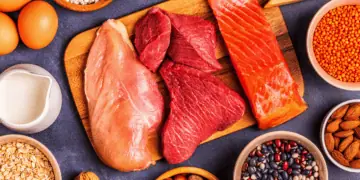
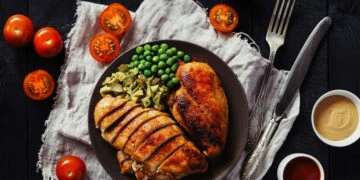
And protein? Your new unsung hero. Fish, chicken, tofu, lentils, eggs – protein helps you hang on to muscle, and muscle helps you balance, move and live your life without groaning every time you sit down.
And hydration. Yes, it’s dull as dishwater. But it works. So much “mysterious mid-life fatigue” is simply dehydration masquerading as a personality trait.
These foods don’t just support your health. They make your day feel lighter, clearer and far easier to manage.
Movement that protects your future self
Food lays the groundwork, but movement builds the structure. And no, you don’t need to start running ultramarathons or joining terrifying gym classes where everyone looks 25 and furious. You just need consistency. Walking counts. Swimming counts. Cycling counts. Gardening absolutely counts, especially when you’re wrestling with a stubborn shrub.
You just need consistency. Walking counts. Swimming counts. Cycling counts. Gardening absolutely counts, especially when you’re wrestling with a stubborn shrub.
A couple of strength sessions a week is also essential to keep your muscles strong and your bones sturdy. Light weights, resistance bands or even body-weight exercises do the trick.
This isn’t about chasing youth. It’s about building a body you can rely on. Movement lifts your mood too, sharpens your thinking, improves your sleep and helps you feel more like yourself.
A future you can actually enjoy
Healthy ageing isn’t about restriction. It’s about not creating problems you’ll have to fix later. It means choosing food that fuels you instead of exhausts you, and moving in ways that keep your joints steady and your confidence intact. It’s about building patterns, not chasing perfection, and realising your 50s don’t shrink your world – they sharpen the picture.
And once you start listening to your body’s new rhythm, the payoff arrives faster than you’d expect. You feel clearer, lighter and far more like yourself. Ageing isn’t the enemy; pretending your body hasn’t changed is. Look after it now, and the years ahead become smoother, brighter and much easier to enjoy.